

 Understanding points
C3.2.1 Pathogens as the cause of infectious diseases
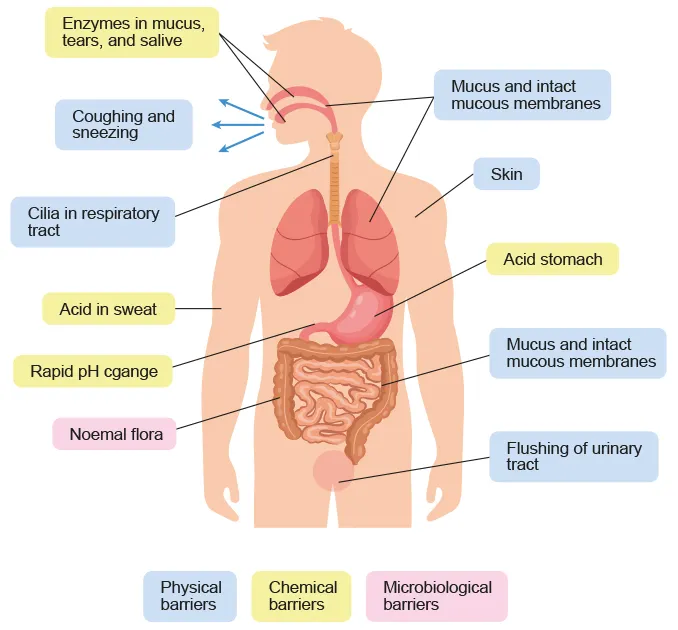
C3.2.2 Skin and mucous membranes as a primary defence
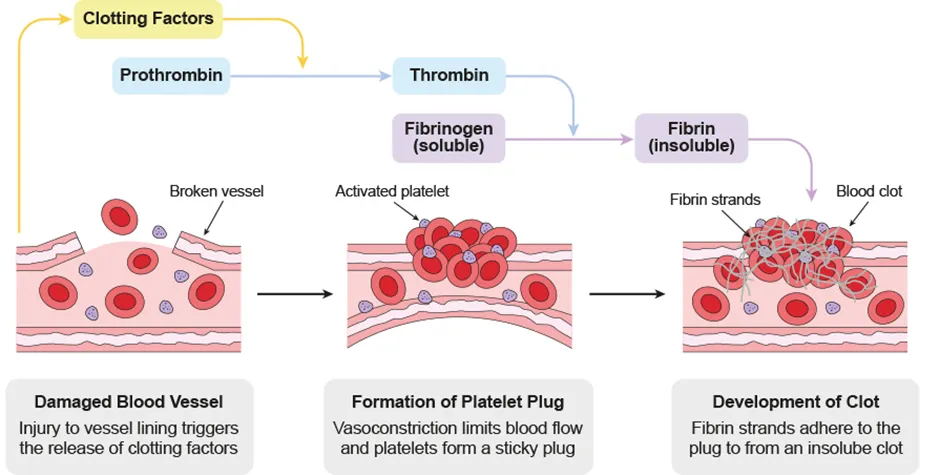
C3.2.3 Sealing of cuts in skin by blood clotting
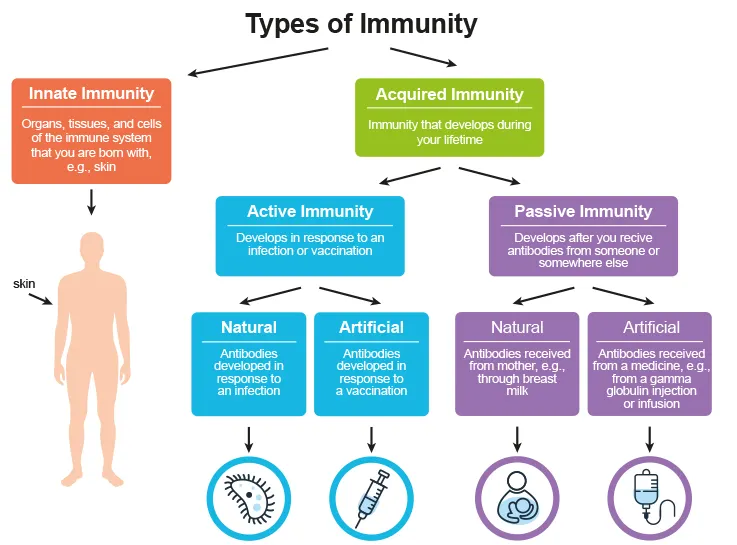
C3.2.4 Differences between the innate immune system and the adaptive immune system
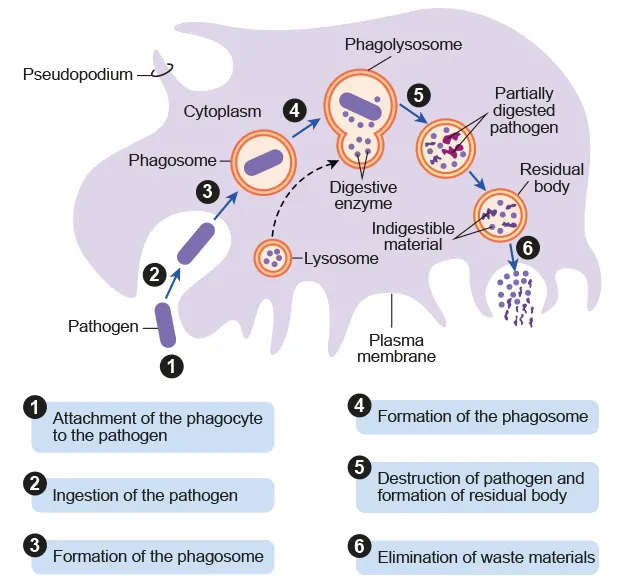
C3.2.5 Infection control by phagocytes
C3.2.6 Lymphocytes as cells in the adaptive immune system that cooperate to produce antibodies
C3.2.7 Antigens as recognition molecules that trigger antibody production
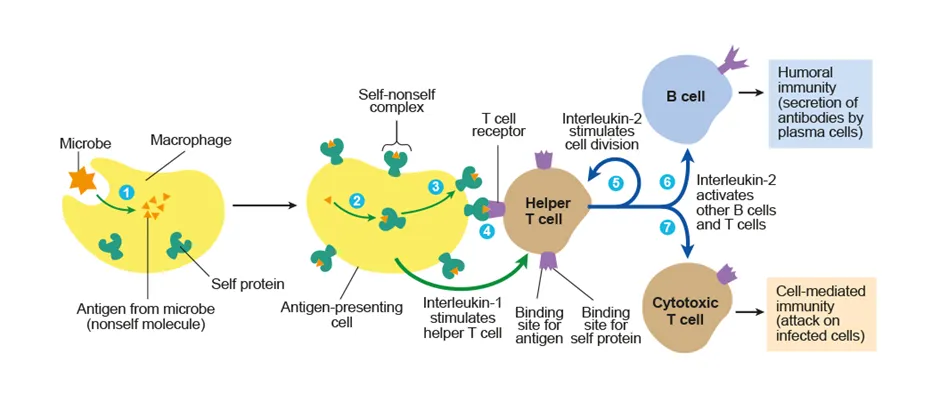
C3.2.8 Activation of B-lymphocytes by helper T-lymphocytes
C3.2.9 Multiplication of activated B-lymphocytes to form clones of antibody-secreting plasma cells
C3.2.10 Immunity as a consequence of retaining memory cells
C3.2.11 Transmission of HIV in body fluids
C3.2.12 Infection of lymphocytes by HIV with AIDS as a consequence
C3.2.13 Antibiotics as chemicals that block processes occurring in bacteria but not in eukaryotic cells
C3.2.14 Evolution of resistance to several antibiotics in strains of pathogenic bacteria
C3.2.15 Zoonoses as infectious diseases that can transfer from other species to humans
C3.2.16 Vaccines and immunization
C3.2.17 Herd immunity and the prevention of epidemics
C3.2.18 Evaluation of data related to the COVID-19 pandemic |
Immunity
The ability of an organism to resist infection
•
Pathogens: organisms that cause infectious disease
◦
e.g. viruses, bacteria, fungi, protists
First line of defence
Skin | Protects external structures
A dry, thick, tough region of dead cells + biochemical defense agents
Secretes lactic acid and fatty acids to lower the pH |
Mucus | Protects internal structures
Fluid secretion + biochemical defense agents
Mucous membranes may be ciliated to aid in the removal of pathogens |
Phagocytosis
Blood clotting
Antibody production
•
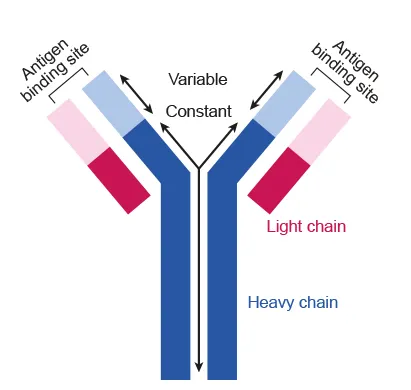
Antibodies attract phagocytes, burst pathogens, or neutralize their toxins
•
Triggered by specific antigens: proteins, glycoproteins, polypeptides on surface of pathogens
◦
These are called plasma cells and have enlarged rER for rapid Ab production
◦
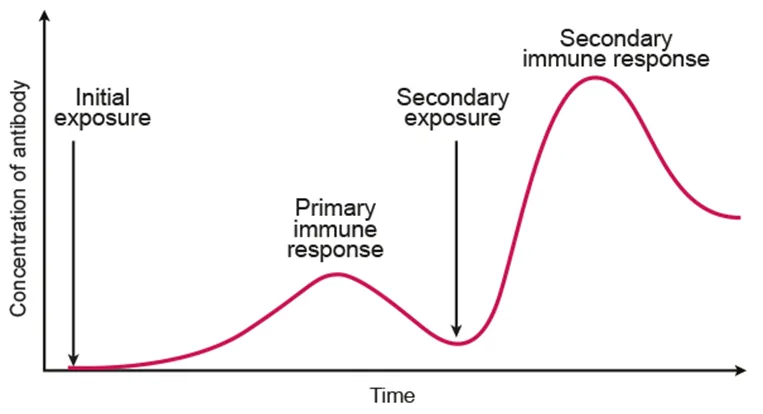
A small portion becomes memory cells that remain inactive until a second encounter with the same pathogen, when they respond very quickly


Monoclonal antibodies
Antibiotics
Chemicals that kill or inhibit the growth of microorganisms
•
Used in humans because antibiotics block processes that occur in prokaryotes but not eukaryotes
•
Block vital processes such as DNA replication, protein synthesis, and cell wall formation
•
Do not affect viruses because they have no metabolism of their own
•
Antibiotic resistant bacteria such as MRSA pose a threat
•
e.g. penicillin: produced by Penicillium
Florey and Chain experiment
•
Eight mice were injected with hemolytic streptococci
•
Four of these mice were subsequently injected with doses of penicillin
•
The untreated mice died of bacterial infection while those treated with penicillin all survived – demonstrating its antibiotic potential
Zoonosis
A disease that can be transmitted from animals to humans
•
e.g. Mycobacterium bovis, rabies virus, japanese encephalitis, COVID-19
Vaccination
Vaccine
A weakened form of a pathogen that is injected/ingested/introduced to patient
•
Example of active immunity: Ag stimulates primary response → activation of lymphocytes and production of specific antibodies and memory cells
•
Second exposure induces a faster and stronger secondary response
•
May need booster shot to maintain immunity
Herd immunity
Significant proportion of the population is infected /vaccinated
↓
Spread of the pathogen is impeded because most people are immune
↓
The outbreak disappears without infecting the rest of the population
↓
Population that cannot be vaccinated is protected by the majority


HIV and AIDS
•
Human immunodeficiency virus (HIV) causes acquired immunodeficiency syndrome (AIDS)
•
HIV is transmitted via body fluids such as blood, semen, vaginal fluids
•
Treatment: azidothymidine inhibits HIV reverse transcriptase
•
HIV destroys CD4⁺ T helper cells → cannot activate lymphocytes for Ab production → pathogens persist and infections accumulate → AIDS