

Topics
Gallery view
Search
 Understanding points
A3.1.1 Variation between organisms as a defining feature of life
A3.1.2 Species as groups of organisms with shared traits
A3.1.3 Binomial system for naming organisms
A3.1.4 Biological species concept
A3.1.5 Difficulties distinguishing between populations and species due to divergence of non-interbreeding populations during speciation
A3.1.6 Diversity in chromosome numbers of plant and animal species
A3.1.7 Karyotyping and karyograms
A3.1.8 Unity and diversity of genomes within species
A3.1.9 Diversity of eukaryote genomes
A3.1.10 Comparison of genome sizes
A3.1.11 Current and potential future uses of whole genome sequencing
A3.1.12 Difficulties applying the biological species concept to asexually reproducing species and to bacteria that have horizontal gene transfer (HL only)
A3.1.13 Chromosome number as a shared trait within a species (HL only)
A3.1.14 Engagement with local plant or animal species to develop a dichotomous key (HL only)
A3.1.15 Identification of species from environmental DNA in a habitat using barcodes (HL only) |
Species
A group of organisms that can interbreed to produce fertile offspring
•
Binomial naming system: Genus species (e.g. Homo sapiens)
•
*(AHL) Must have the same chromosome number or else problems in meiosis occur
A3.1 Diversity of organisms
Understanding points
A3.2.1 Need for classification of organisms (HL only)
A3.2.2 Difficulties classifying organisms into the traditional hierarchy of taxa (HL only)
A3.2.3 Advantages of classification corresponding to evolutionary relationships (HL only)
A3.2.4 Clades as groups of organisms with common ancestry and shared characteristics (HL only)
A3.2.5 Gradual accumulation of sequence differences as the basis for estimates of when clades diverged from a common ancestor (HL only)
A3.2.6 Base sequences of genes or amino acid sequences of proteins as the basis for constructing cladograms (HL only)
A3.2.7 Analysing cladograms (HL only)
A3.2.8 Using cladistics to investigate whether the classification of groups corresponds to evolutionary relationships (HL only)
A3.2.9 Classification of all organisms into three domains using evidence from rRNA base sequences (HL only) |
Taxonomy
•
Taxa: groups used to classify organisms
•
Hierarchy of taxa: Domains – Kingdom – Phylum – Class – Order – Family – Genus – Species
•
Every organism that has evolved from a common ancestor is included in the same taxon
A3.2 Classification and cladistics
Understanding points
B3.1.1 Gas exchange as a vital function in all organisms
B3.1.2 Properties of gas-exchange surfaces
B3.1.3 Maintenance of concentration gradients at exchange surfaces in animals
B3.1.4 Adaptations of mammalian lungs for gas exchange
B3.1.5 Ventilation of the lungs
B3.1.6 Measurement of lung volumes
B3.1.7 Adaptations for gas exchange in leaves
B3.1.8 Distribution of tissues in a leaf
B3.1.9 Transpiration as a consequence of gas exchange in a leaf
B3.1.10 Stomatal density
B3.1.11 Adaptations of foetal and adult haemoglobin for the transport of oxygen (HL only)
B3.1.12 Bohr shift (HL only)
B3.1.13 Oxygen dissociation curves as a means of representing the affinity of haemoglobin for oxygen at different oxygen concentrations (HL only) |
Ventilation, cell respiration, gas exchange
Ventilation
Exchange of air between the atmosphere and the lungs
Achieved by the physical act of breathing
B3.1 Gas exchange
Understanding points
B3.2.1 Adaptations of capillaries for exchange of materials between blood and the internal or external environment
B3.2.2 Structure of arteries and veins
B3.2.3 Adaptations of arteries for the transport of blood away from the heart
B3.2.4 Measurement of pulse rates
B3.2.5 Adaptations of veins for the return of blood to the heart
B3.2.6 Causes and consequences of occlusion of the coronary arteries
B3.2.7 Transport of water from roots to leaves during transpiration
B3.2.8 Adaptations of xylem vessels for transport of water
B3.2.9 Distribution of tissues in a transverse section of the stem of a dicotyledonous plant
B3.2.10 Distribution of tissues in a transverse section of the root of a dicotyledonous plant
B3.2.11 Release and reuptake of tissue fluid in capillaries (HL only)
B3.2.12 Exchange of substances between tissue fluid and cells in tissues (HL only)
B3.2.13 Drainage of excess tissue fluid into lymph ducts (HL only)
B3.2.14 Differences between the single circulation of bony fish and the double circulation of mammals (HL only)
B3.2.15 Adaptations of the mammalian heart for delivering pressurized blood to the arteries (HL only)
B3.2.16 Stages in the cardiac cycle (HL only)
B3.2.17 Generation of root pressure in xylem vessels by active transport of mineral ions (HL only)
B3.2.18 Adaptations of phloem sieve tubes and companion cells for translocation of sap (HL only) |
Blood components
•
Glucose, Dissolved gas, Urea, Hormones, Antibodies, Proteins
Blood vessels
B3.2 Transport
Understanding points
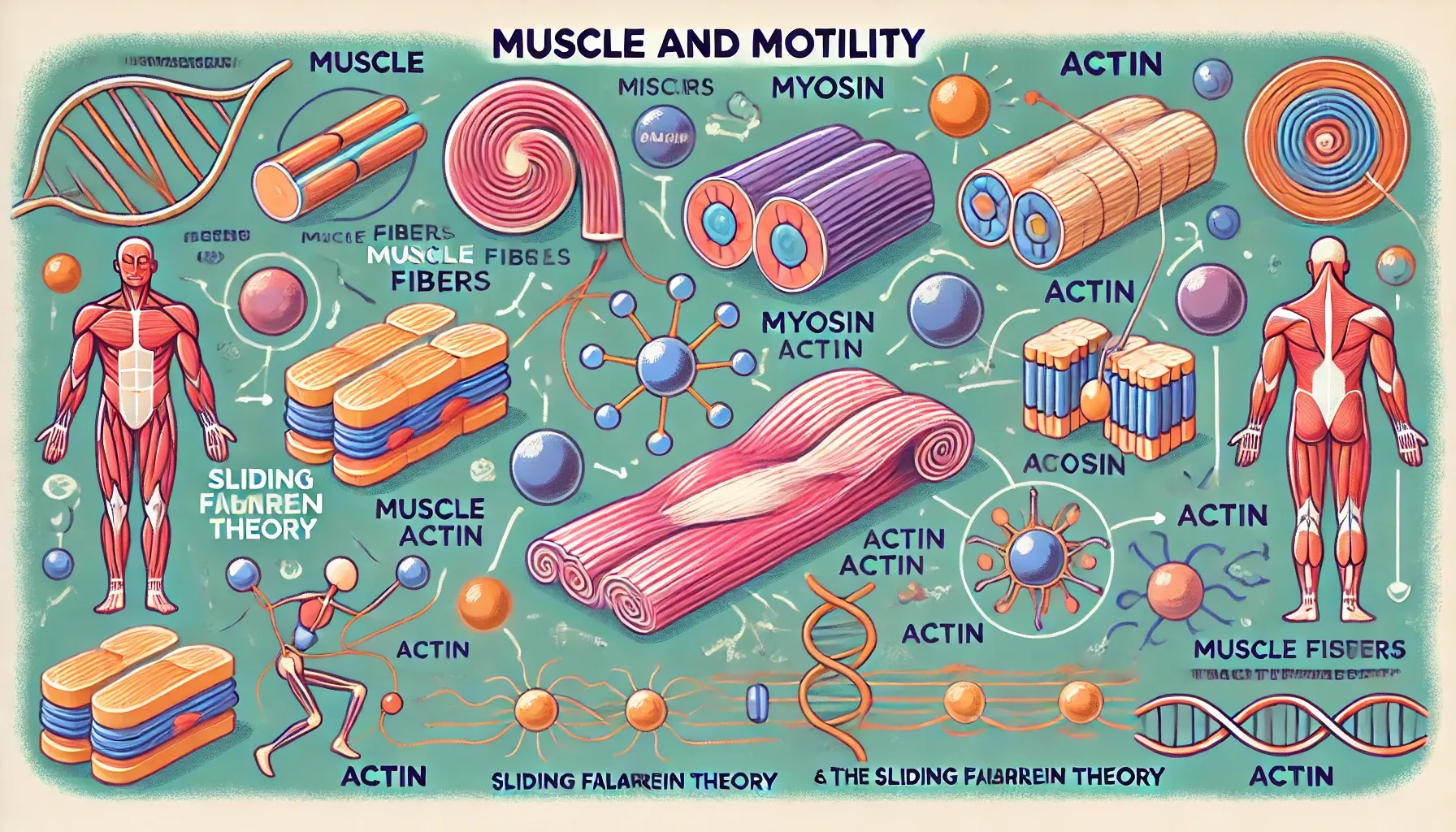
B3.3.1 Adaptations for movement as a universal feature of living organisms (HL only)
B3.3.2 Sliding filament model of muscle contraction (HL only)
B3.3.3 Role of the protein titin and antagonistic muscles in muscle relaxation (HL only)
B3.3.4 Structure and function of motor units in skeletal muscle (HL only)
B3.3.5 Roles of skeletons as anchorage for muscles and as levers (HL only)
B3.3.6 Movement at a synovial joint (HL only)
B3.3.7 Range of motion of a joint (HL only)
B3.3.8 Internal and external intercostal muscles as an example of antagonistic muscle action to facilitate internal body movements (HL only)
B3.3.9 Reasons for locomotion (HL only)
B3.3.10 Adaptations for swimming in marine mammals (HL only) |
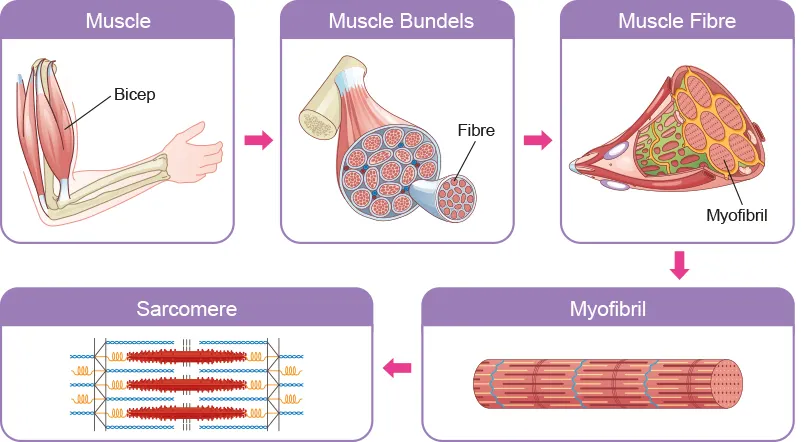
Muscle structure
B3.3 Muscle and motility
Understanding points
C3.1.1 System integration
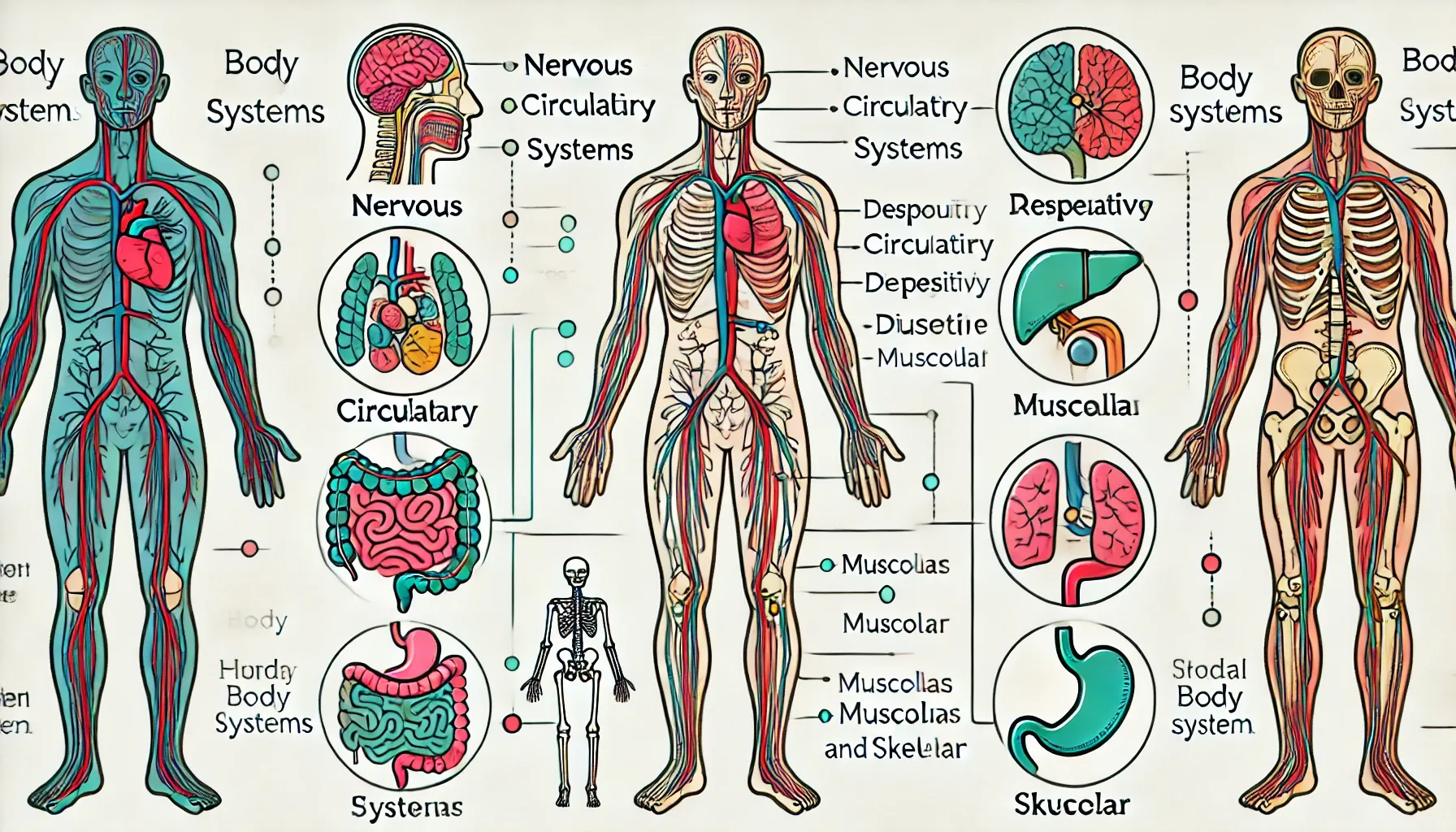
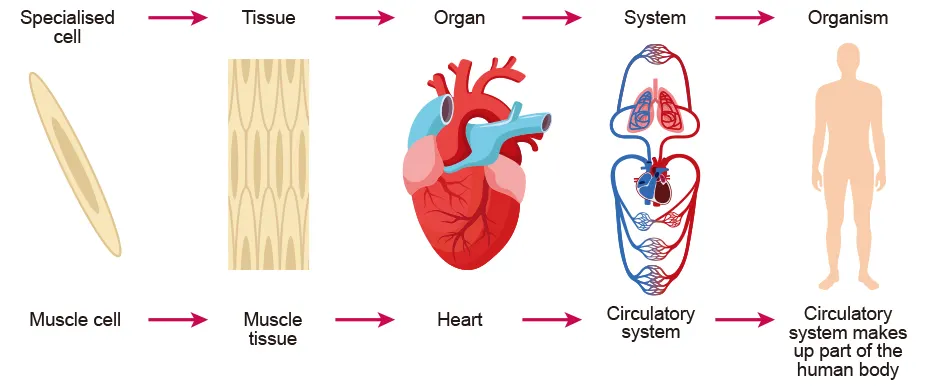
C3.1.2 Cells, tissues, organs and body systems as a hierarchy of subsystems that are integrated in a multicellular living organism
C3.1.3 Integration of organs in animal bodies by hormonal and nervous signalling and by transport of materials and energy
C3.1.4 The brain as a central information integration organ
C3.1.5 The spinal cord as an integrating centre for unconscious processes
C3.1.6 Input to the spinal cord and cerebral hemispheres of the brain through sensory neurons
C3.1.7 Output from the cerebral hemispheres of the brain to muscles through motor neurons
C3.1.8 Nerves as bundles of nerve fibres of both sensory and motor neurons
C3.1.9 Pain reflex arcs as an example of involuntary responses with skeletal muscle as the effector
C3.1.10 Role of the cerebellum in coordinating skeletal muscle contraction and balance
C3.1.11 Modulation of sleep patterns by melatonin secretion as a part of circadian rhythms
C3.1.12 Epinephrine secretion by the adrenal glands to prepare the body for vigorous activity
C3.1.13 Control of the endocrine system by the hypothalamus and pituitary gland
C3.1.14 Feedback control of heart rate following sensory input from baroreceptors and chemoreceptors
C3.1.15 Feedback control of ventilation rate following sensory input from chemoreceptors
C3.1.16 Control of peristalsis in the digestive system by the central nervous system and enteric nervous system
C3.1.17 Observations of tropic responses in seedlings (HL only)
C3.1.18 Positive phototropism as a directional growth response to lateral light in plant shoots (HL only)
C3.1.19 Phytohormones as signalling chemicals controlling growth, development and response to stimuli in plants (HL only)
C3.1.20 Auxin efflux carriers as an example of maintaining concentration gradients of phytohormones (HL only)
C3.1.21 Promotion of cell growth by auxin (HL only)
C3.1.22 Interactions between auxin and cytokinin as a means of regulating root and shoot growth (HL only)
C3.1.23 Positive feedback in fruit ripening and ethylene production (HL only) |
Levels of organisation
C3.1 Integration of body systems
Understanding points
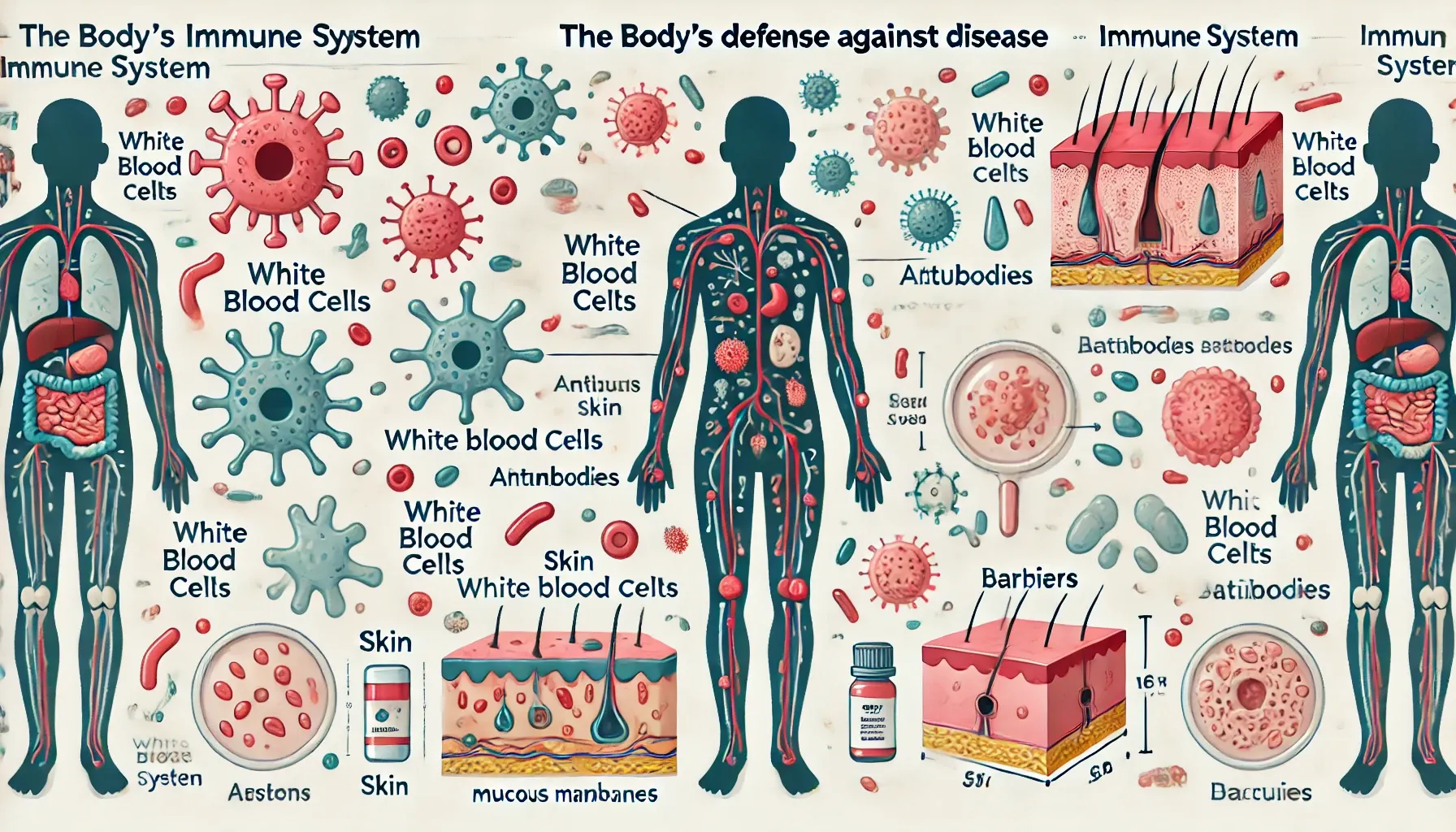
C3.2.1 Pathogens as the cause of infectious diseases
C3.2.2 Skin and mucous membranes as a primary defence
C3.2.3 Sealing of cuts in skin by blood clotting
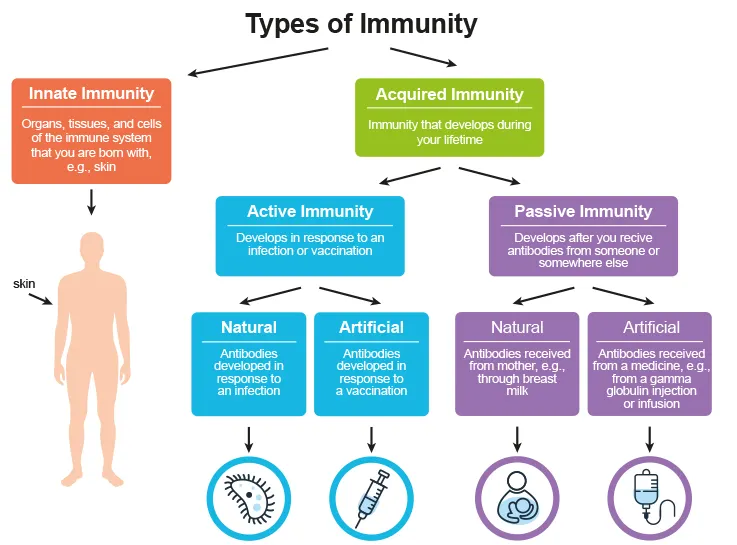
C3.2.4 Differences between the innate immune system and the adaptive immune system
C3.2.5 Infection control by phagocytes
C3.2.6 Lymphocytes as cells in the adaptive immune system that cooperate to produce antibodies
C3.2.7 Antigens as recognition molecules that trigger antibody production
C3.2.8 Activation of B-lymphocytes by helper T-lymphocytes
C3.2.9 Multiplication of activated B-lymphocytes to form clones of antibody-secreting plasma cells
C3.2.10 Immunity as a consequence of retaining memory cells
C3.2.11 Transmission of HIV in body fluids
C3.2.12 Infection of lymphocytes by HIV with AIDS as a consequence
C3.2.13 Antibiotics as chemicals that block processes occurring in bacteria but not in eukaryotic cells
C3.2.14 Evolution of resistance to several antibiotics in strains of pathogenic bacteria
C3.2.15 Zoonoses as infectious diseases that can transfer from other species to humans
C3.2.16 Vaccines and immunization
C3.2.17 Herd immunity and the prevention of epidemics
C3.2.18 Evaluation of data related to the COVID-19 pandemic |
Immunity
The ability of an organism to resist infection
•
Pathogens: organisms that cause infectious disease
◦
e.g. viruses, bacteria, fungi, protists
C3.2 Defence against disease
Understanding points
D3.1.1 Differences between sexual and asexual reproduction
D3.1.2 Role of meiosis and fusion of gametes in the sexual life cycle
D3.1.3 Differences between male and female sexes in sexual reproduction
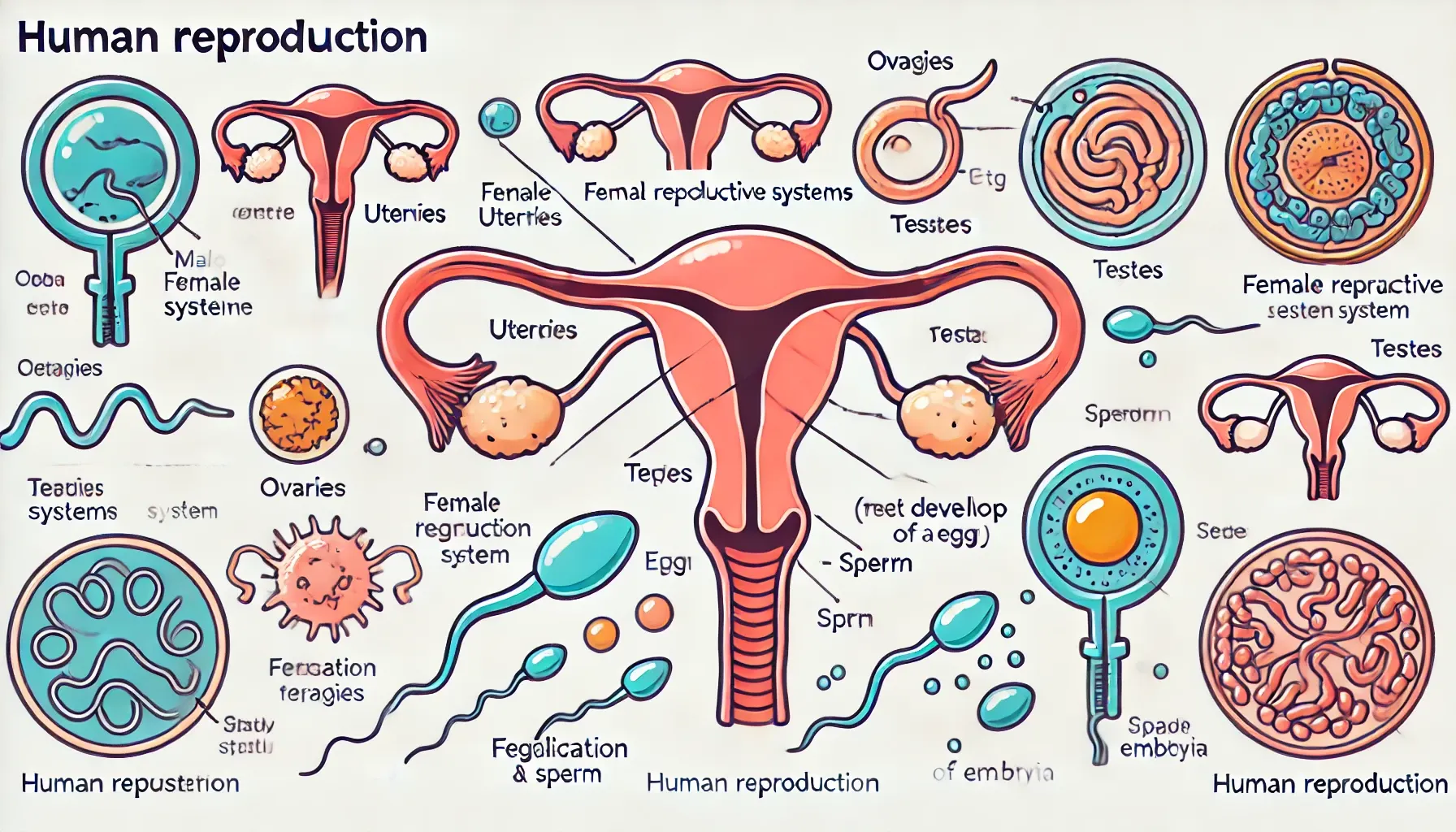
D3.1.4 Anatomy of the human male and female reproductive systems
D3.1.5 Changes during the ovarian and uterine cycles and their hormonal regulation
D3.1.6 Fertilization in humans
D3.1.7 Use of hormones in in vitro fertilization (IVF) treatment
D3.1.8 Sexual reproduction in flowering plants
D3.1.9 Features of an insect-pollinated flower
D3.1.10 Methods of promoting cross-pollination
D3.1.11 Self-incompatibility mechanisms to increase genetic variation within a species
D3.1.12 Dispersal and germination of seeds
D3.1.13 Control of the developmental changes of puberty by gonadotropin-releasing hormone and steroid sex hormones (HL only)
D3.1.14 Spermatogenesis and oogenesis in humans (HL only)
D3.1.15 Mechanisms to prevent polyspermy (HL only)
D3.1.16 Development of a blastocyst and implantation in the endometrium (HL only)
D3.1.17 Pregnancy testing by detection of human chorionic gonadotropin secretion (HL only)
D3.1.18 Role of the placenta in foetal development inside the uterus (HL only)
D3.1.19 Hormonal control of pregnancy and childbirth (HL only)
D3.1.20 Hormone replacement therapy and the risk of coronary heart disease (HL only) |
Modes of reproduction
Asexual | Sexual |
One parent | Two parents - one female and one male |
Mitosis only | Mitosis (somatic cells) & Meiosis (gamete cells) |
Genetically identical offspring (to each other and to the parent) | Genetically diverse offspring different from the parents |
Thrives in unchanging environments - successful gene combinations are maintained | Better suited for survival in changing environment - offspring my be better adapted than the parents |
Sexual reproduction in flowering plants
D3.1 Reproduction
Understanding points
D3.2.1 Production of haploid gametes in parents and their fusion to form a diploid zygote as the means of inheritance
D3.2.2 Methods for conducting genetic crosses in flowering plants
D3.2.3 Genotype as the combination of alleles inherited by an organism
D3.2.4 Phenotype as the observable traits of an organism resulting from genotype and environmental factors
D3.2.5 Effects of dominant and recessive alleles on phenotype
D3.2.6 Phenotypic plasticity is the capacity to develop traits suited to the environment experienced by an organism, by varying patterns of gene expression
D3.2.7 Phenylketonuria as an example of a human disease due to a recessive allele
D3.2.8 Single-nucleotide polymorphisms and multiple alleles in gene pools
D3.2.9 ABO blood groups as an example of multiple alleles
D3.2.10 Incomplete dominance and codominance
D3.2.11 Sex determination in humans and inheritance of genes on sex chromosomes
D3.2.12 Haemophilia as an example of a sex-linked genetic disorder
D3.2.13 Pedigree charts to deduce patterns of inheritance of genetic disorders
D3.2.14 Continuous variation due to polygenic inheritance and/or environmental factors
D3.2.15 Box-and-whisker plots to represent data for a continuous variable such as student height
D3.2.16 Segregation and independent assortment of unlinked genes in meiosis (HL only)
D3.2.17 Punnett grids for predicting genotypic and phenotypic ratios in dihybrid crosses involving pairs of unlinked autosomal genes (HL only)
D3.2.18 Loci of human genes and their polypeptide products (HL only)
D3.2.19 Autosomal gene linkage (HL only)
D3.2.20 Recombinants in crosses involving two linked or unlinked genes (HL only)
D3.2.21 Use of a chi-squared test on data from dihybrid crosses (HL only) |
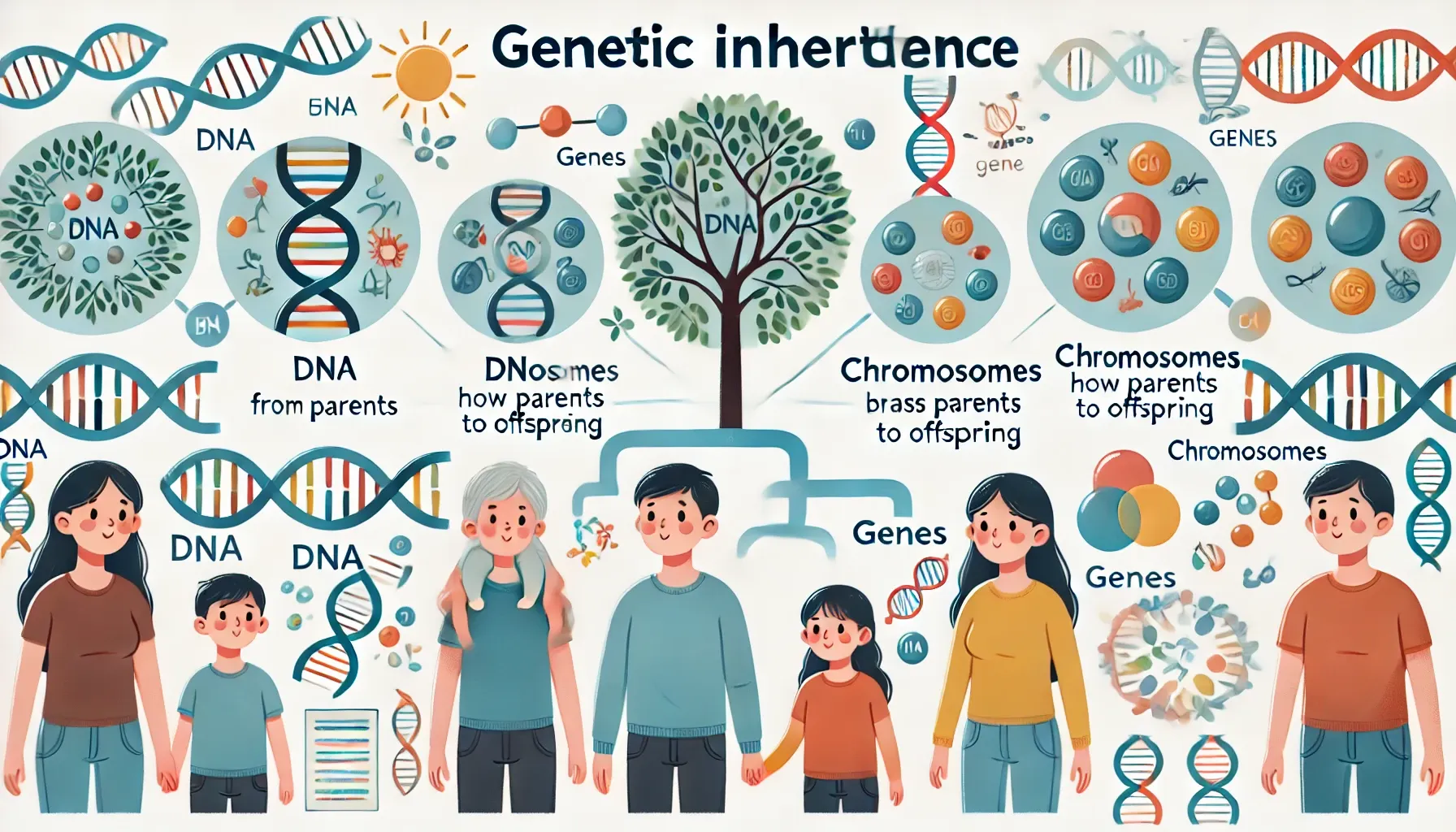
Inheritance
Genotype | Phenotype |
Genetic composition of alleles
• Homozygous: 2 copies of the same alleles
• Heterozygous: 2 copies of different alleles | Physical characteristics expressed by the genotype
• Influenced by environmental factors |
•
Most traits follow a classical dominant/recessive pattern of inheritance:
◦
The dominant allele will mask the recessive allele when in a heterozygous state
◦
Homozygous dominant and heterozygous forms are phenotypically indistinguishable
◦
The recessive allele is only expressed in the phenotype in a homozygous state
◦
Exceptions: codominance, polygenic, multiple alleles


D3.2 Inheritance
Understanding points
D3.3.1 Homeostasis as maintenance of the internal environment of an organism
D3.3.2—Negative feedback loops in homeostasis
D3.3.3—Regulation of blood glucose as an example of the role of hormones in homeostasis
D3.3.4—Physiological changes that form the basis of type 1 and type 2 diabetes
D3.3.5—Thermoregulation as an example of negative feedback control
D3.3.6—Thermoregulation mechanisms in humans
D3.3.7—Role of the kidney in osmoregulation and excretion (HL only)
D3.3.8—Role of the glomerulus, Bowman’s capsule and proximal convoluted tubule in excretion (HL only)
D3.3.9—Role of the loop of Henle (HL only)
D3.3.10—Osmoregulation by water reabsorption in the collecting ducts (HL only)
D3.3.11—Changes in blood supply to organs in response to changes in activity (HL only) |
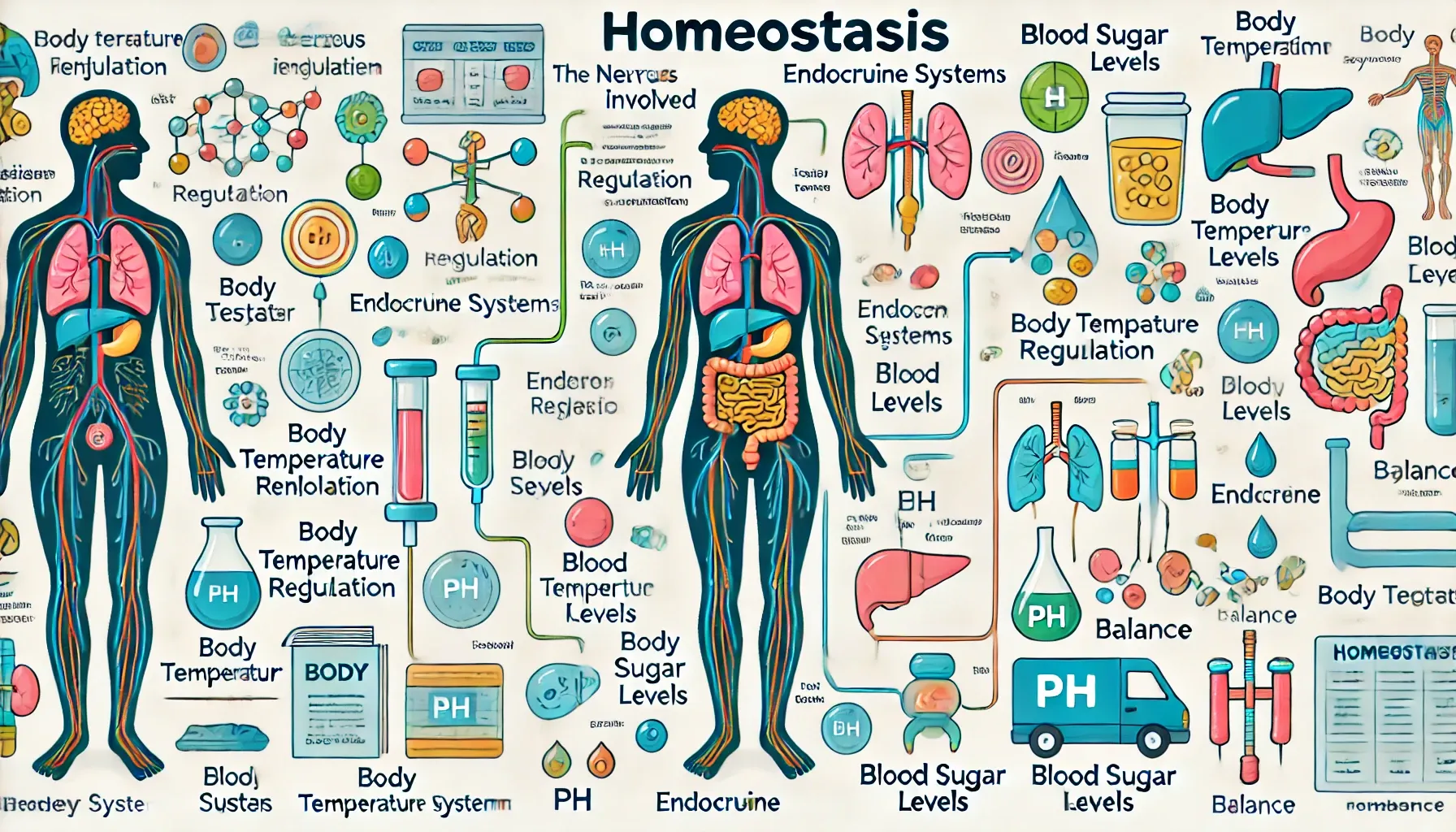
Homeostasis
Keeping a constant internal environment
•
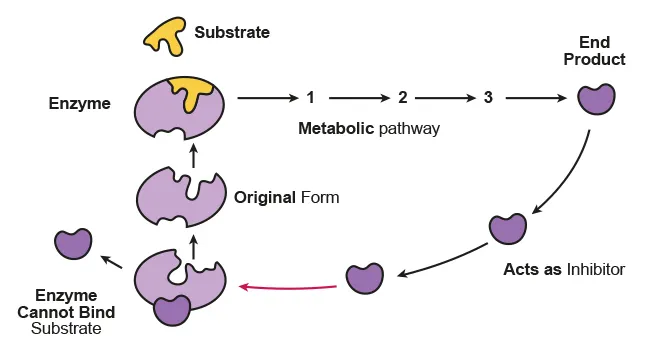
Positive Feedback - accelerates the concentration gap between the original and new level
•
Negative Feedback - maintains the concentration of metabolites
D3.3 Homeostasis