

 Understanding points
D3.3.1 Homeostasis as maintenance of the internal environment of an organism
D3.3.2—Negative feedback loops in homeostasis
D3.3.3—Regulation of blood glucose as an example of the role of hormones in homeostasis
D3.3.4—Physiological changes that form the basis of type 1 and type 2 diabetes
D3.3.5—Thermoregulation as an example of negative feedback control
D3.3.6—Thermoregulation mechanisms in humans
D3.3.7—Role of the kidney in osmoregulation and excretion (HL only)
D3.3.8—Role of the glomerulus, Bowman’s capsule and proximal convoluted tubule in excretion (HL only)
D3.3.9—Role of the loop of Henle (HL only)
D3.3.10—Osmoregulation by water reabsorption in the collecting ducts (HL only)
D3.3.11—Changes in blood supply to organs in response to changes in activity (HL only) |
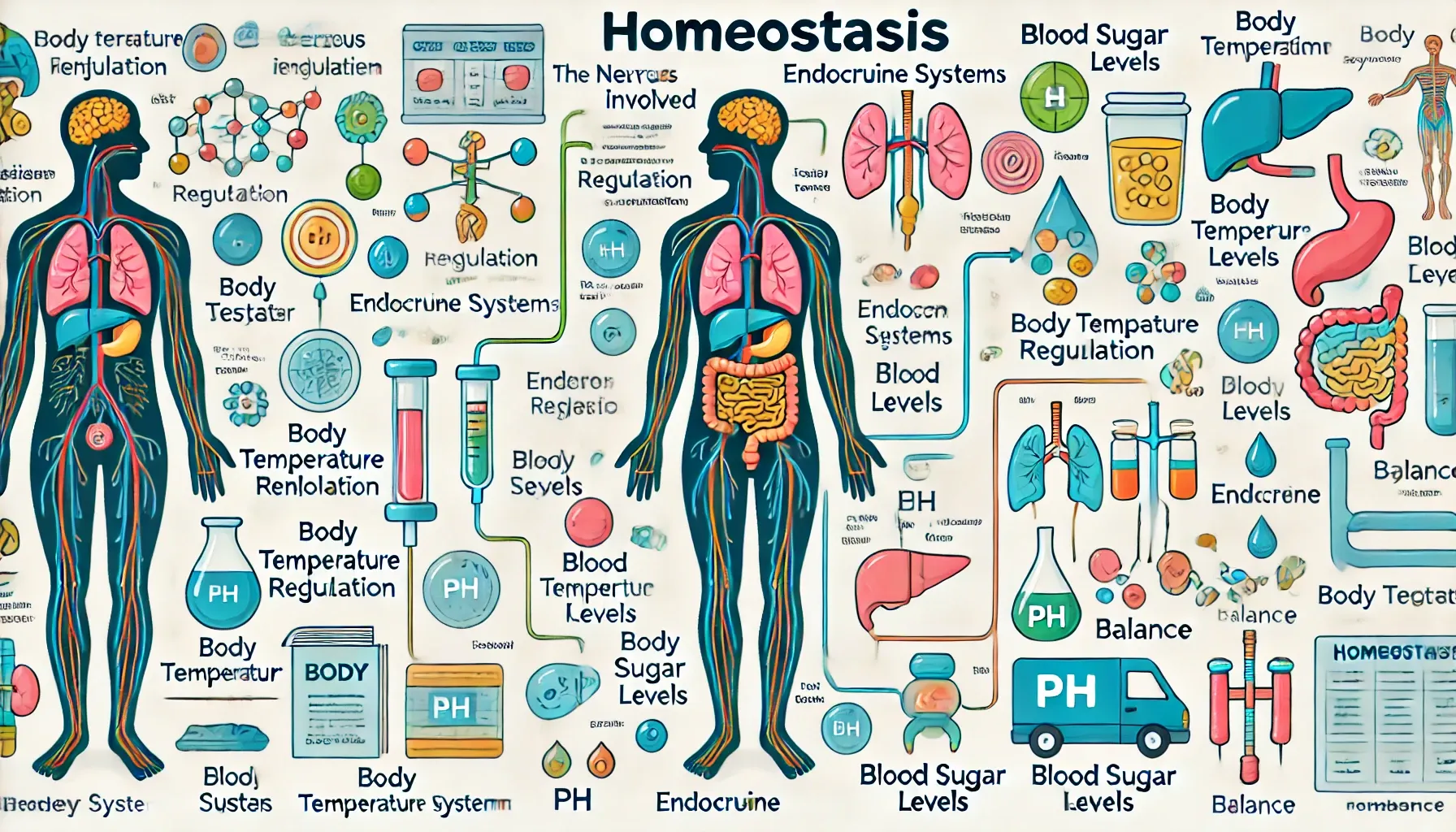
Homeostasis
Keeping a constant internal environment
•
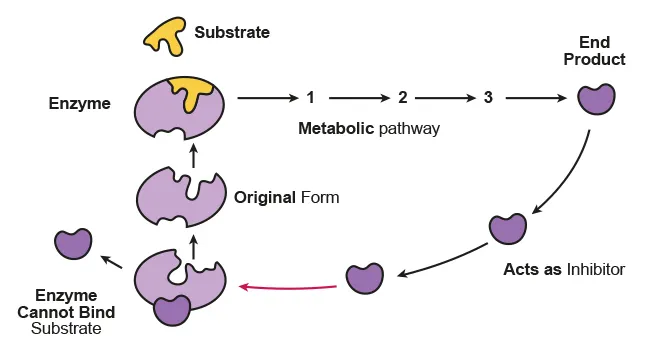
Positive Feedback - accelerates the concentration gap between the original and new level
•
Negative Feedback - maintains the concentration of metabolites
Body temperature - hypothalamus
Temperature control is regulated by thyroxine
•
Thyroxine is secreted by the thyroid gland in response to signals from the hypothalamus
•
Essential to the proper development and differentiation of cells
•
Increases basal metabolic rate (amount of energy the body uses at rest) → stimulates carbohydrate and lipid metabolism via oxidation of glucose and fatty acids → heat
•
Deficiency of iodine in the diet leads to decreased thyroxine production, causing enlargement of the thyroid gland and goitres
Hot | Cold |
Production of sweat enables evaporative cooling
Vasodilation of arterioles in skin allows more blood to flow through = more heat carried / lost
Hypothalamus inhibits thyroxine release, decreasing metabolic rate to reduce heat production | Muscle contraction uses energy to produce heat
Hair stands up to trap heat
Vasoconstriction of arterioles in skin allows less blood to flow through = less heat carried / lost
Hypothalamus stimulates thyroxine release, increasing metabolic rate to generate heat |


Glucose level - pancreas
Diabetes : high blood glucose concentration over a prolonged period (= uncontrolled glucose levels)
•
Type 1: Insulin deficiency caused by autoimmune disease
•
Type 2: Failing to respond to insulin production = insensitiveness
•
Side effects: damage to eyes, kidney, nerves
Increase in glucose levels | Decrease in glucose levels |
β-cell in pancreas secretes insulin
↓
Increased glucose uptake by cells
↓
Glycogen stored in liver + Glucose fat stored as fat + Increased respiration
↓
Glucose levels fall | α-cell in pancreas secretes glucagon
↓
Increased breakdown of glycogen
↓
Synthesis of glucose from fats and αα
↓
Glucose levels rise |


*(AHL) Osmoregulation
Kidney structure
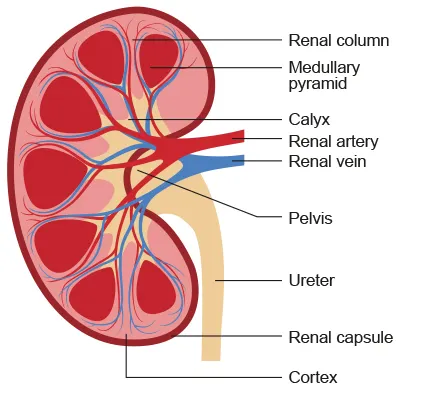
Nephron
Structural and functional unit of the kidney
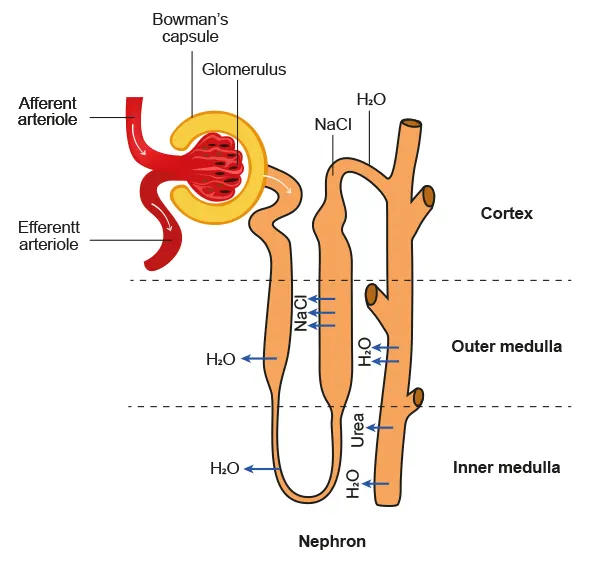
Ultrafiltration
Glomerulus
•
Large SA
•
Less water and solutes/ions → less glucose and oxygen → more CO₂
Basement membrane
•
Gaps between podocytes that act as an “ultra-filter”
•
Large molecules in the blood do not pass
•
Filtrate passes into Bowman’s capsule
Reabsorption
Proximal convoluted tubule
•
Surrounded by capillaries, high SA by microvilli
•
About 80% of the filtrate reabsorbed
•
100% of glucose and salts are reabsorbed by active transport
•
Water is reabsorbed by osmosis
•
Other solutes are reabsorbed by diffusion
Loop of Henle
•
Creates an osmotic gradient within the medullary region of the kidney + some reabsorption
•
Ascending limb is permeable to salt and impermeable to water: active transport salt out into interstitial fluid
•
Descending limb is permeable to water: moves down osmotic gradient in the medulla
Collecting duct
•
Site of osmoregulation, walls have variable permeability
Blood concentration high
↓
Osmoreceptor stimulates posterior pituitary gland
↓
ADH released
↓
Water channels inserted into collecting duct walls
↓
Water leaves the filtrate by osmosis
↓
Reabsorption of water generates concentrated urine