
 Understanding points
D3.1.1 Differences between sexual and asexual reproduction
D3.1.2 Role of meiosis and fusion of gametes in the sexual life cycle
D3.1.3 Differences between male and female sexes in sexual reproduction
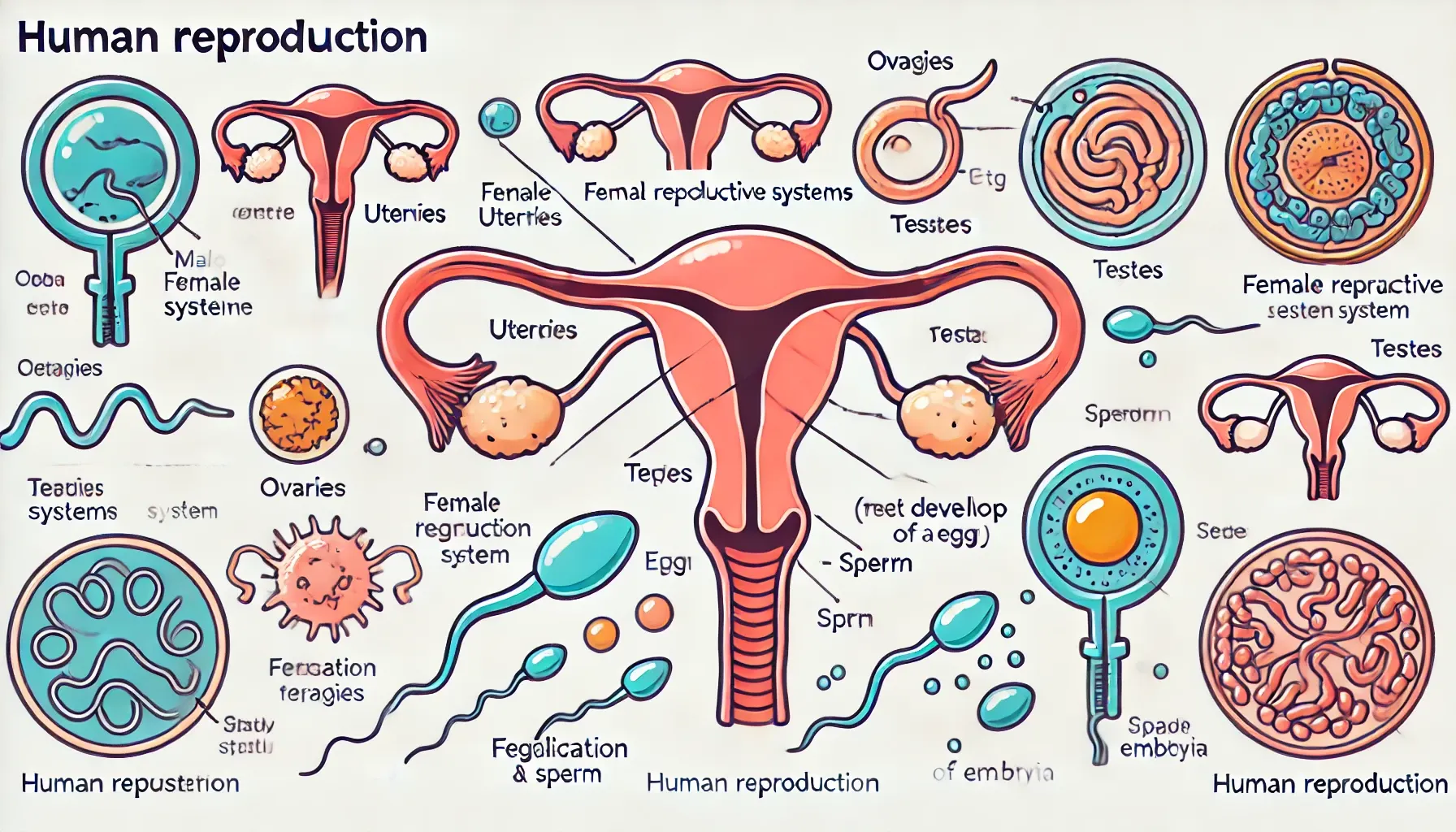
D3.1.4 Anatomy of the human male and female reproductive systems
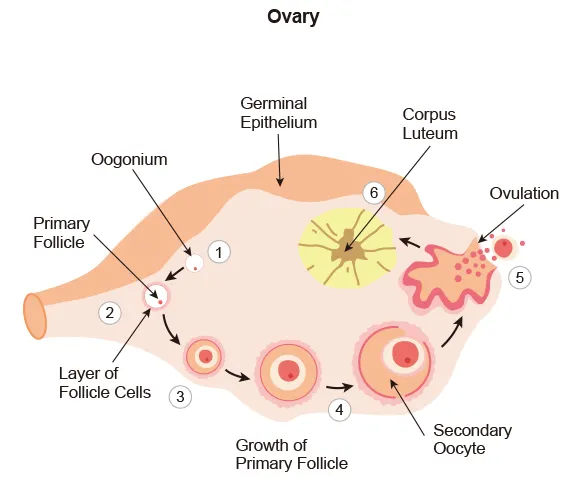
D3.1.5 Changes during the ovarian and uterine cycles and their hormonal regulation
D3.1.6 Fertilization in humans
D3.1.7 Use of hormones in in vitro fertilization (IVF) treatment
D3.1.8 Sexual reproduction in flowering plants
D3.1.9 Features of an insect-pollinated flower
D3.1.10 Methods of promoting cross-pollination
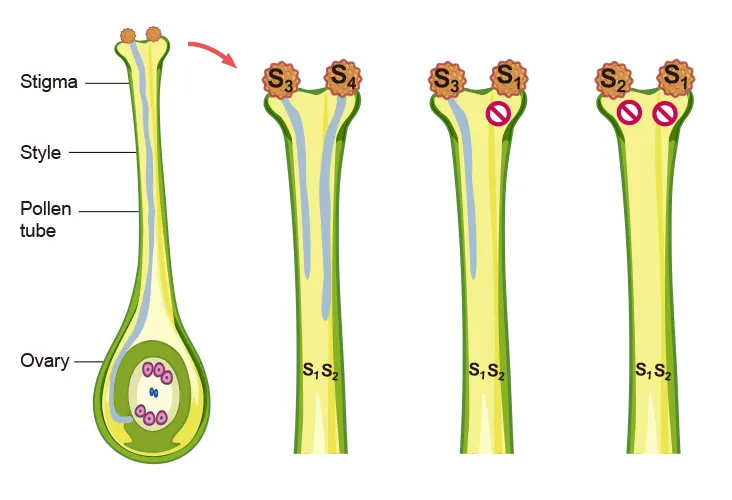
D3.1.11 Self-incompatibility mechanisms to increase genetic variation within a species
D3.1.12 Dispersal and germination of seeds
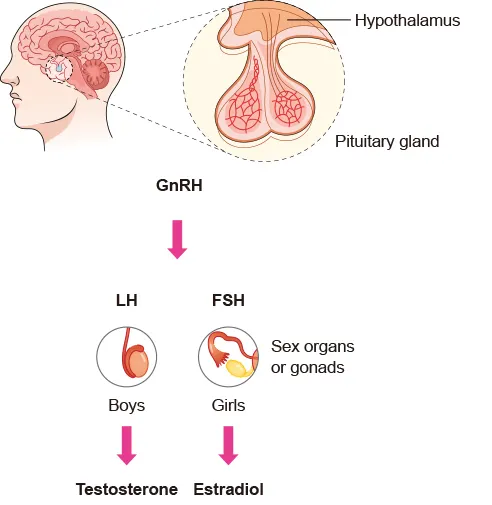
D3.1.13 Control of the developmental changes of puberty by gonadotropin-releasing hormone and steroid sex hormones (HL only)
D3.1.14 Spermatogenesis and oogenesis in humans (HL only)
D3.1.15 Mechanisms to prevent polyspermy (HL only)
D3.1.16 Development of a blastocyst and implantation in the endometrium (HL only)
D3.1.17 Pregnancy testing by detection of human chorionic gonadotropin secretion (HL only)
D3.1.18 Role of the placenta in foetal development inside the uterus (HL only)
D3.1.19 Hormonal control of pregnancy and childbirth (HL only)
D3.1.20 Hormone replacement therapy and the risk of coronary heart disease (HL only) |
Modes of reproduction
Asexual | Sexual |
One parent | Two parents - one female and one male |
Mitosis only | Mitosis (somatic cells) & Meiosis (gamete cells) |
Genetically identical offspring (to each other and to the parent) | Genetically diverse offspring different from the parents |
Thrives in unchanging environments - successful gene combinations are maintained | Better suited for survival in changing environment - offspring my be better adapted than the parents |
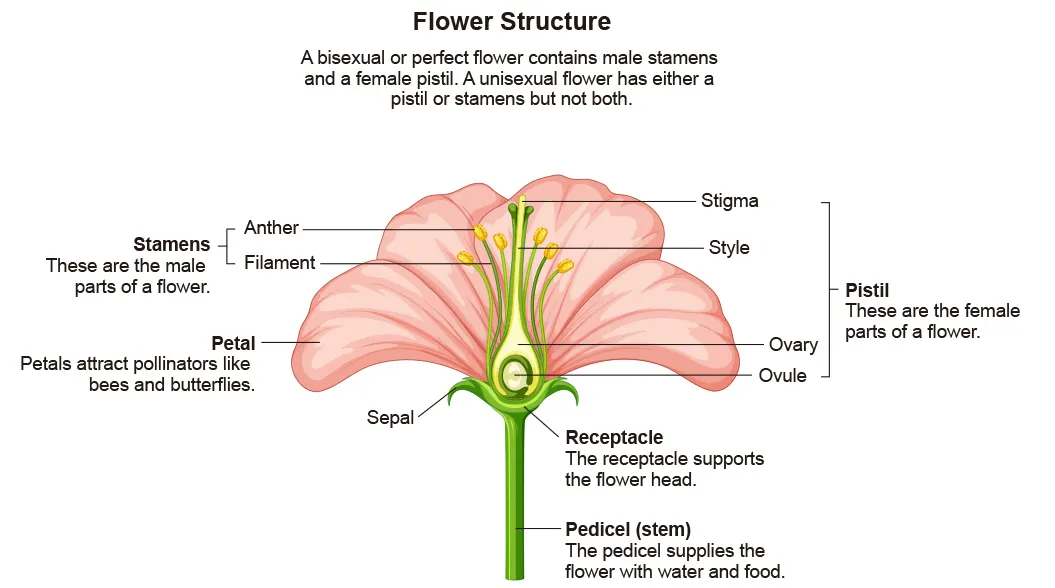
Sexual reproduction in flowering plants
•
Self-pollination: transfer of pollen from anther to stigma on the same plant
◦
Inbreeding may lead to expression of recessive alleles
•
Cross-pollination: transfer of pollen from anther of one flower to stigma of a flower on different plant
◦
Reduces chances of expression of harmful recessive alleles → hybrid vigor
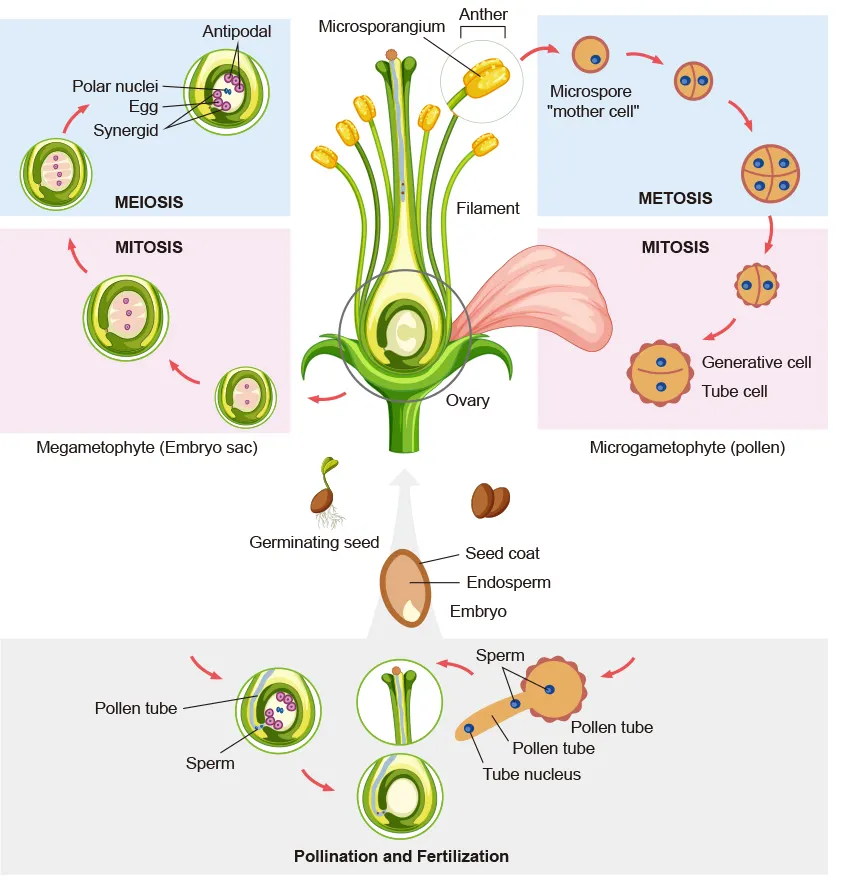
Self-incompatibility mechanisms
•
Protection against inbreeding due to a single plant acting as both male and female parent
•
Pollen does not germinate if it shares the same allele
Seed dispersal and germination
Seed dispersal
Germination
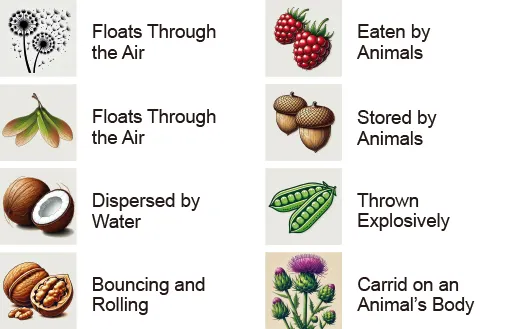
Seed dispersal
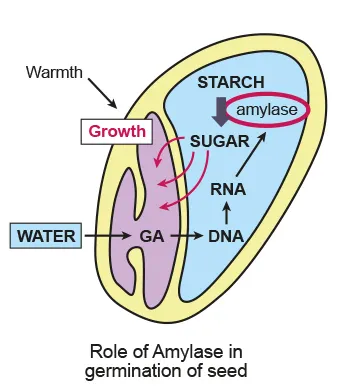
Seed germination: amylase mobilizes starch reserves
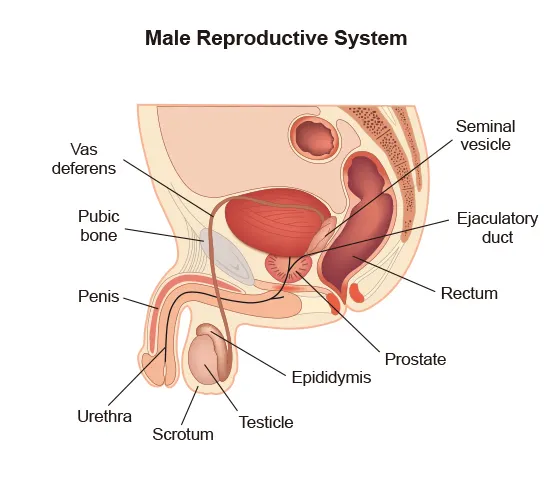
Structure of human reproductive systems
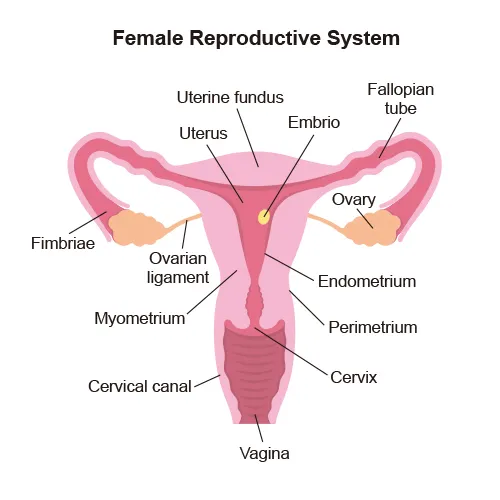


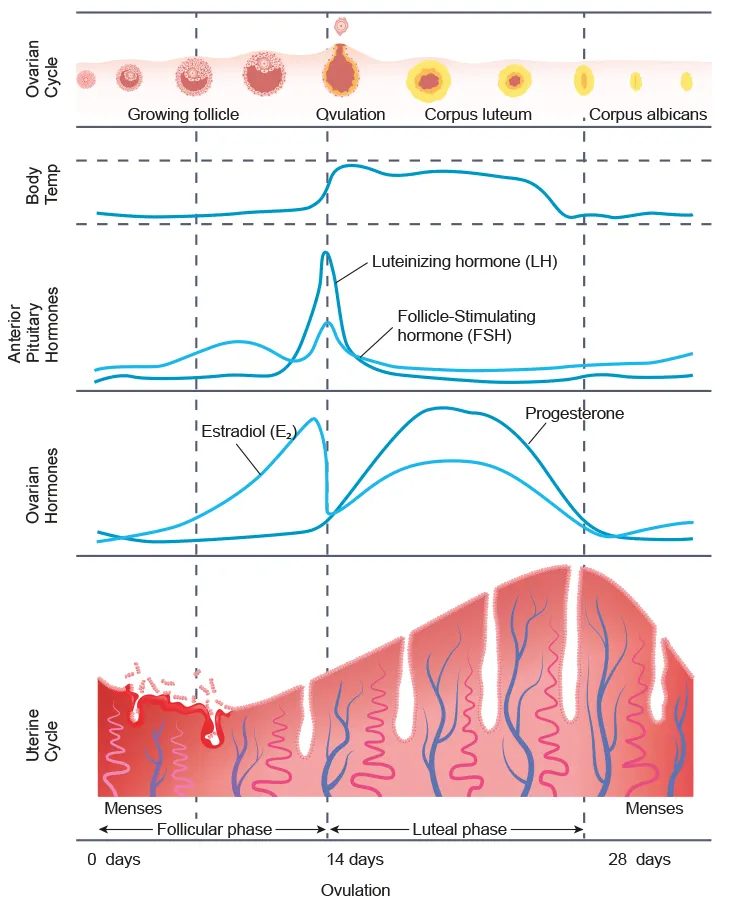
Menstrual cycle
FSH released from anterior pituitary
↓
Stimulates growth of follicle & secretion of estrogen from follicle
↓
Estrogen thickens endometrium layer and increases FSH sensitivity
↓
Positive feedback on estrogen
↓
Peak estrogen level blocks FSH and stimulates release LH from anterior pituitary
↓
LH stimulates ovulation & conversion of follicle to corpus luteum
↓
Progesterone released from corpus luteum
↓
Final growth of uterus lining & block FSH and LH
↓
Estrogen/progesterone levels fall if no fertilization
↓
Menstruation
↓
Decrease in estrogen /progesterone increases FSH |
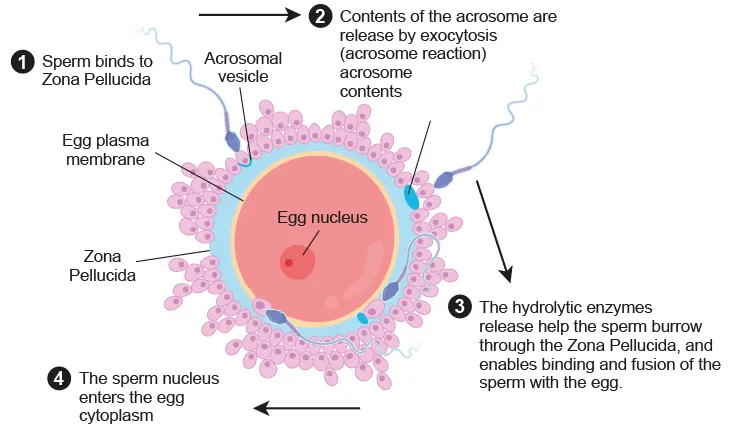
Fertilization
Sperm head contacts zona pellucida(jelly coat)
↓
Binds to specific glycoproteins
↓
Ca²⁺ pump activated → Ca²⁺ into sperm head
↓
Acrosome releases protease + carbohydrase by exocytosis
↓
Penetration through zona pellucida, fluid-filled space and the plasma membrane of the oocyte
↓
Second meiotic division
↓
Fusion of plasma membranes
↓
Fusion of sperm nucleus with the egg nucleus
↓
*(AHL) Cortical reaction (cross linkage formed by cortical granules) prevents polyspermy |


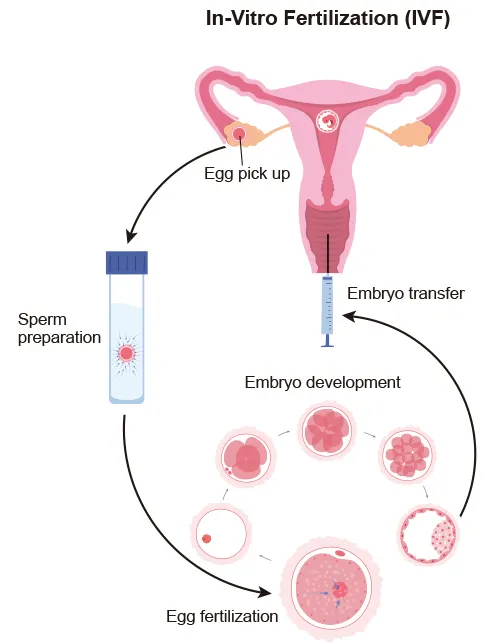
In vitro fertilization (IVF)
Drug used to down regulate the menstrual cycle
↓
FSH injected to stimulate follicle development
↓
Eggs from mature follicle removed & sperms extracted from male
↓
Fertilized in petri dish and incubated at 37°C
↓
Embryos are examined for abnormalities
↓
Hormonal treatment prepares the mother’s uterus
↓
Implantation of multiple embryos
↓
*(AHL) Pregnancy test: hCG in urine |


*(AHL)
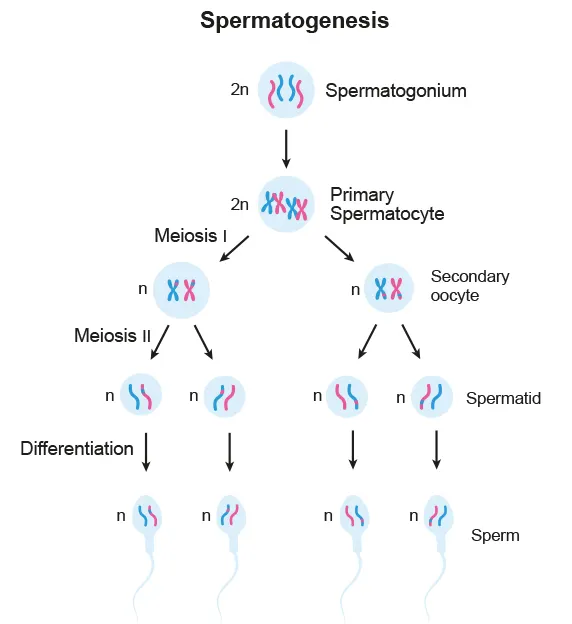
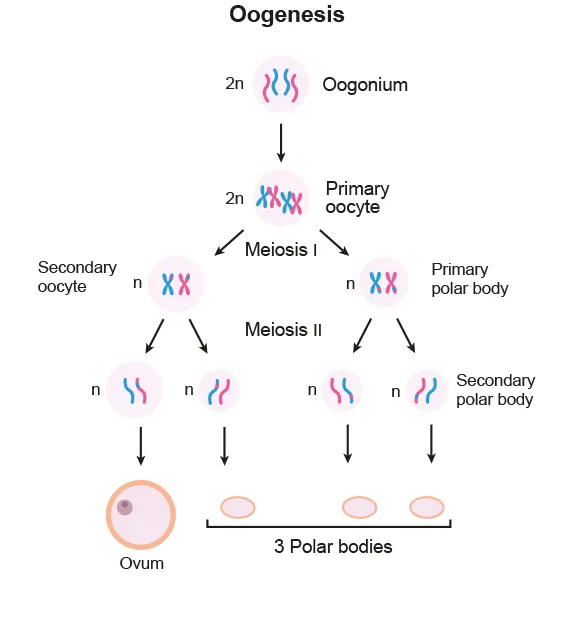
Spermatogenesis and Oogenesis
Spermatogenesis | Oogenesis |
Many / millions per day
4 sperm per meiosis
Occurs in testes
No polar bodies
Throughout adult life
Produced continuously | One per month
1 egg per meiosis
Occurs in ovaries
Polar bodies
Ends at menopause
Released at ovulation |


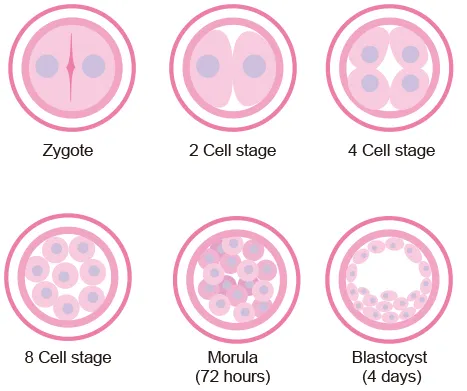
Development of a blastocyst
•
The zygote in the oviduct divides by mitosis
•
Early rounds of cell division happen without cell growth → cell size decreases
•
After a week, unequal cell divisions and cell migration produce a hollow ball called a blastocyst
•
Cells in the outer layer secrete enzymes that enables implantation
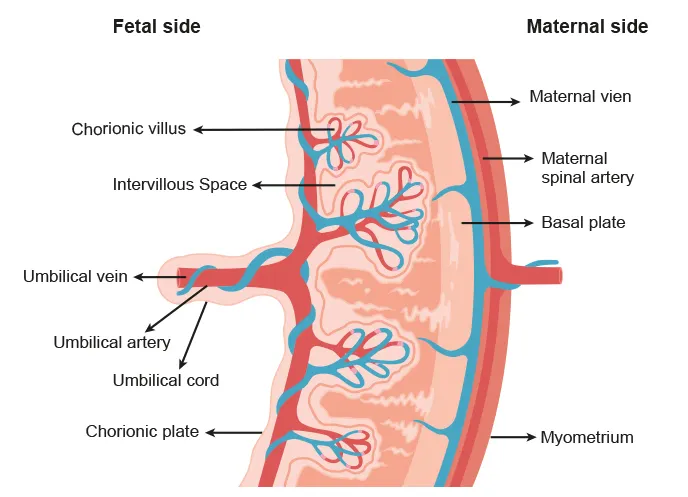
The placenta
•
Disc shaped structure connected to fetus by an umbilical cord
•
Intervillous spaces contain fetal and maternal blood in close proximity (Their blood DO NOT Mix)
•
Nutrients, oxygen, antibodies travel from mother to fetus
•
Waste and CO₂ travel from fetus to mother
•
Secretion of estrogen and progesterone
Hormones during pregnancy and birth
Pregnancy | Birth |
Sustained levels of hCG ensure continuous secretion of estrogen and progesterone
Prevent degeneration of endometrium and uterus contractions | Level of progesterone falls before birth
Oxytocin secreted from pituitary stimulates uterus contractions which in turn stimulates secretion of more oxytocin = positive feedback |


Hormone replacement therapy (HRT)
•
Supplementation of estrogen and progesterone to relieve menopausal symptoms
•
e.g. night sweats, mood swings, hot flushes