
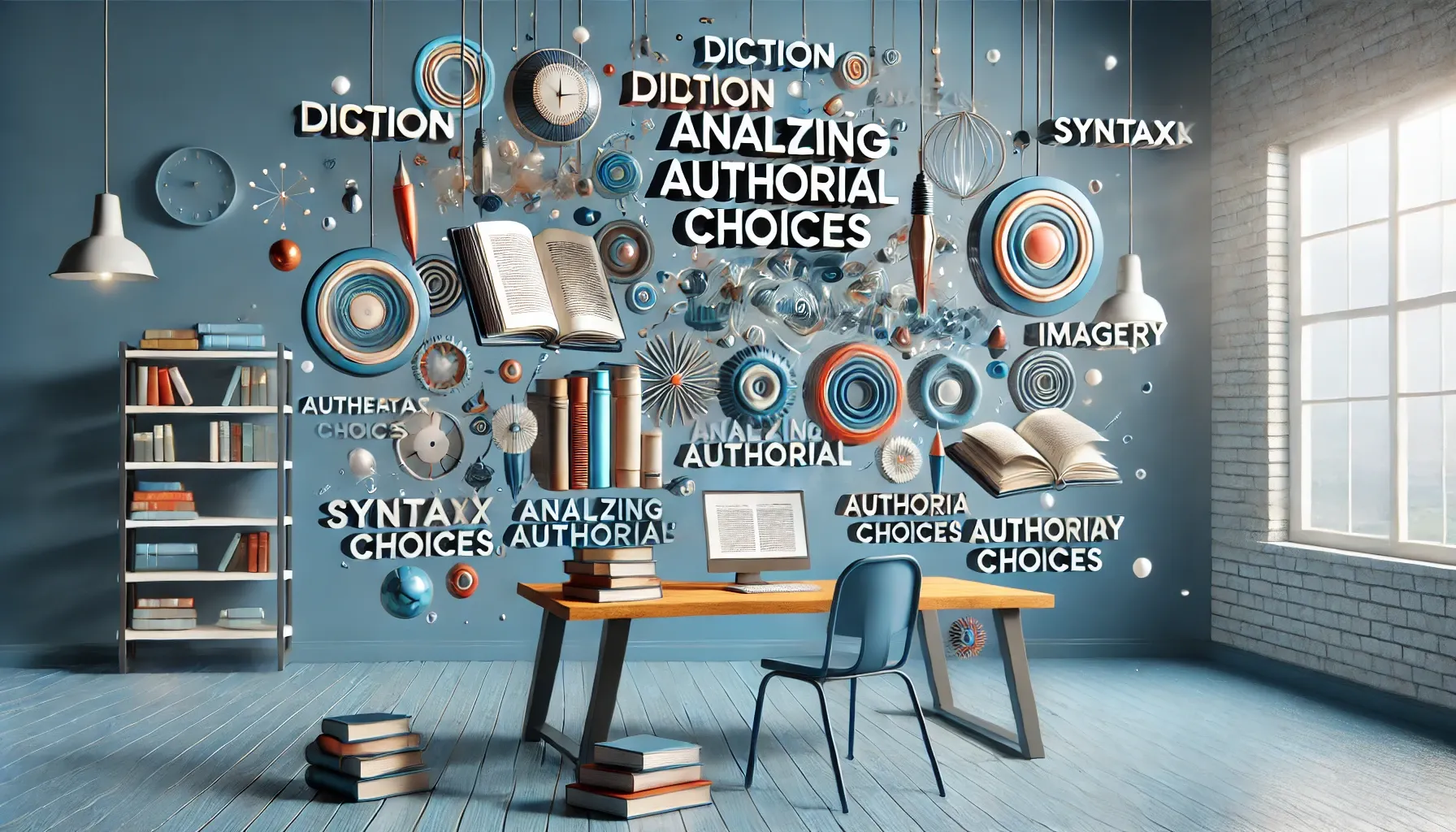
Diction
Diction | A particular choice of words to convey a positive or negative connotation—a certain emotion or image that a word implies
“vintage” vs. “old,” “clique” vs. “group” |
Semantic field /
Lexical cluster | Set of words related in meaning
“pleasure,” “glad,” “satisfied” |
Superlative | Highest form of comparative adjective
“slowest,” “most” |
Jargon | Vocabulary used in a specific field or by a specific group; technical terms
“matter” in chemistry, “demand” in economics |
Colloquialism | Language that belongs to a casual environment; slang
“go for it,” “a big deal,” “props,” “lit,” “high,” “wasted” |
Euphemism | A socially acceptable expression that replaces an unpleasant idea or image
dead → “passed away,” fired → “downsizing” |
Metonymy | Referring to an object or idea by something closely associated with it
“crown” → monarchy, “dish” → meal, “tongue” → language |
Synecdoche | Referring to the whole by a part, or to a part by the whole
“wheels” → vehicle, “Band-Aid” → any bandage, “head count” → number of people, “the pill” → birth-control pill |
Syntax | A particular choice in sentence structure to create emphasis, rhythm, or emotion
“There’s nothing you can do that can’t be done
Nothing you can sing that can’t be sung” (“All You Need Is Love”) |
Repetition
Repetition | Repeating certain words, ideas, or images for emphasis
note: there are more specific terms for different types of repetition, such as anaphora and polysyndeton, but for the most part, repetition should be sufficient
“that government of the people, by the people, for the people, shall not perish from the earth” (“Gettysburg Address”) |
Alliteration | Repetition of the same sound in the beginning of words
“Peter Piper picked a peck of pickled peppers” |
Assonance | Repetition of vowel sounds in the beginning/middle/end of words
“on a proud round cloud in white high night” |
Consonance | Repetition of consonant sounds in the beginning/middle/end of words
“Mike likes his new bike” |
Tautology | Adjacent placement of two different words with similar meanings
“I personally think…,” “First and foremost” |
Anaphora | Repetition of the same word or phrase in the beginning of each sentence
“I have a dream” (“I Have a Dream”) |
Epistrophe | A repetition of the same word or phrase at the end of each sentence
“Dream about your future. Think about your future.” |
Anadiplosis | A repetition of a word or phrase in successive clauses
“She looked at the flowers. The flowers looked back.” |
Descriptive Language
Imagery | The use of vivid, descriptive language to appeal to one of the five senses
sight → visual imagery
hearing → auditory imagery
smell → olfactory imagery
taste → gustatory imagery
touch → tactile imagery
movement → kinesthetic imagery
inner sensations → organic imagery
“On every rail and gate, wet lay clammy; and the marsh-mist was so thick.” (Great Expectations) |
Synesthesia | The use of language to appeal to more than one of the five senses at the same time
“Back to the region where the sun is silent.” (Inferno) |
Onomatopoeia | A word that phonetically imitates or resembles the sound that it describes
“tick tock” → clock, “oink” → pig |
Figurative Language
Figurative language | Any use of language to represent another meaning that is different from the literal definition
Note: comment types of figurative language include metaphor, simile, hyperbole, and personification
“the world is your oyster”
“the writing is on the wall” |
Symbolism | The use of important objects to signify ideas or qualities
Note: a motif tends to be an abstract idea while a symbol tends to be a physical object
the mockingjay for the rebellion in The Hunger Games
the Horcruxes and the Hallows for death in Harry Potter |
Simile | A comparison of one thing to another using the word “like” or “as”
“The world is like a stage” |
Analogy | A comparison of one relationship to another
“A sword is to a warrior as a pen is to a writer.”
“Orbits of electrons in an atom to the orbits of planets” |
Metaphor | A comparison of one thing to another
“All the world’s a stage” (As You Like It) |
Extended metaphor | A metaphor that is repeated or continued for a significant portion
“All the world’s a stage,
And all the men and women merely players;
They have their exits and their entrances” (As You Like It) |
Personification | Figuratively giving human characteristics or human form to a non-human entity or an abstract concept
Death in “The Tale of the Three Brothers” from Harry Potter and the Deathly Hallows
Greek gods for natural phenomena, such as Zeus for lightning and Poseidon for the ocean |
Anthropomorphism | Literally giving human characteristics and human form to an animal or a non-human entity
the Rabbit in Alice’s Adventures in Wonderland
the Big Bad Wolf of “Little Red Riding Hood” |
Zoomorphism | Giving animalistic characteristics to a non-animal entity
“The boys roared with zeal.” |
Hyperbole | An exaggeration
“Will all great Neptune’s ocean wash this blood / Clean from my hand? No.” (Macbeth) |
Understatement | Making a situation seem less important than it really is
“I have to have this operation. It isn’t very serious. I have this tiny little tumor on the brain.” (The Catcher in the Rye) |
Allusion | A reference without explanation to a popular work
the writing on the wall in Harry Potter and the Chamber of Secrets to the Bible
the expression “down the rabbit hole” to Alice’s Adventures in Wonderland |
Rhetorical question | A question that is not intended to be answered but to make a point
“What’s in a name?” (Romeo and Juliet)
The title of a TV show: Who Wants to Be a Millionaire? |
Hypophora | A question that is answered immediately by the author
“So what should you do next? Donate today and help those in need!” |
Apostrophe | Addressing something that cannot respond, such as an inanimate object or an abstract concept
“Is this a dagger which I see before me,
The handle toward my hand? Come, let me clutch thee! I have thee not, and yet I see thee still.” (Macbeth) |
Cliché | An expression, idea, or technique that has been overused to the point of no longer being meaningful
“once upon a time”
“star-crossed lovers” (Romeo and Juliet) |
Rhetoric / Persuasive Techniques
Ethos | An appeal to the writer’s credibility, either through a sense of ethics or through a sense of authority from expert knowledge, including the use of statistics and citations
“Doctors all over the world recommend this treatment.” |
Logos | An appeal to logic, including inductive reasoning and deductive reasoning
“All men are strong. Mike is a man. Therefore, Mike is strong.” |
Pathos | An appeal to emotion, such as sorrow, fear, and sympathy
The expression “the motherland” appeals to a sense of patriotism |
Kairos | An appeal to time; the timeliness of the argument
“Your help is urgently needed today.” |
Juxtaposition/Contrast
Contrast | The use of two opposing ideas or images for easier understanding or for emphasis
“The sun was shining brightly, but the air was bitterly cold.” |
Juxtaposition | The placement of two contrasting concepts, characters, or images next to each other to create a contrast
Note: juxtaposition is largely interchangeable with contrast
“Your heart is burst, you have lost half your soul;
Even now, now, very now, an old black ram
Is tupping your white ewe.” (Othello) |
Double entendre | A particular way of wording intended to be understood in two ways, having a double meaning
In Othello, Iago’s honesty refers both to other characters’ viewpoints of his virtue and to his own candor about his goal to disgrace Othello |
Pun | A word play based on a word with multiple meanings or on words with similar sounds
Note: a pun tends to be humorous while a double entendre usually carries deeper implications or sexually explicit innuendos
“I wondered why the ball was getting bigger. Then it hit me.” |
Oxymoron | Two seemingly contradictory ideas placed next to each other
“open secret”
“Feather of lead, bright smoke, cold fire, sick health!” (Romeo and Juliet) |
Paradox | A statement that is self-contradictory or logically unacceptable
“I know that I know nothing” |
Tone and Mood
Tone / Voice | The attitude of the writer or the narrator towards a subject matter or towards the audience
“If a girl looks swell when she meets you, who gives a damn if she’s late? Nobody.” (The Catcher in the Rye) |
Sarcasm | The use of language for its opposite meaning in order to criticize or to mock
“Tell me something I don’t know.”
“Good job, Sherlock.” |
Atmosphere /
Mood | The feeling or emotion that a narrative conveys to a reader
Note: atmosphere refers to what the reader feels while tone refers to the perspective of the writer or the first-person narrator
“There was no moon, and everything beneath lay in misty darkness: not a light gleamed from any house, far or near all had been extinguished long ago: and those at Wuthering Heights were never visible.” (Wuthering Heights) |
Parody | An imitation intended to mock or to criticize the original work
Charlie Chaplin’s impersonation of Adolf Hitler in The Great Dictator |
Satire | A work that criticizes individuals, governments, or societies in humorous and exaggerated ways
Note: although they are very similar, a parody tends to have a specific target that it mocks while a satire tends to be an original work
Gulliver’s Travels, South Park (TV show), Saturday Night Live |
Suspense /
Tension | The anticipation of the outcome of a plot or of the solution to a mystery
the Hallowe’en night in To Kill a Mockingbird |
Foreshadowing | A hint regarding events that will take place later
Regulus Black as R.A.B. in Harry Potter and the Half-Blood Prince |
Structure
Structure | A particular choice in the organization and development of a text for dramatic effect or for easier understanding
• Linear: chronological
• Non-linear: non-chronological
• Circular: ending where it began
the short story “Indian Camp” begins and ends on a lake |
Irony
Dramatic irony | The audience or reader is aware of something critical in the story, but the characters are not
In Oedipus Rex, the audience knows that Oedipus has killed his father and married his mother, but Oedipus does not. |
Situational irony | A sharp, often humorous discrepancy between the expected result and the actual result
In The Wonderful Wizard of Oz, the Wizard is revealed to be a fraud. |
Verbal irony | A statement whose intended meaning is drastically different from its literal or ostensible meaning; sarcasm
“as clear as mud” |
Narratives
Anecdote | A brief personal experience that a writer recounts |
Testimonial | A statement by a person (who is not the writer) expressing their support of a product, service, or organization
Note: an anecdote has to come from the author him/herself while a testimonial is an account of the person the author is writing about |
Flashback | A scene that takes the narrative back in time from the current point in the story
The Great Gatsby as Nick’s memories, the Pensieve in Harry Potter, the narrative structure of Memento |
Narrative Point of View
First-person | A narrator relays events from his or her own point of view using the first-person pronoun, “I” or “we” |
Third-person omniscient | A narrator who is not one of the characters has knowledge of everything in the story |
Third-person limited | A narrator who is not one of the characters follows only a specific number of focal characters |
Free indirect speech | A third-person narrative that conveys a character’s thoughts without interruption in the narration
“As Mr. Dursley drove around the corner and up the road, he watched the cat in his mirror. It was now reading the sign that said Privet Drive – no, looking at the sign; cats couldn’t read maps or signs.” (Harry Potter and the Philosopher’s Stone) |
Alternating point of view | A style in which the point of view alternates between first- and third-person, or among multiple characters |
Stream-of-consciousness | A method of narration in which a character’s thoughts and feelings are depicted as they pass through the mind
“a quarter after what an unearthly hour I suppose theyre just getting up in China now combing out their pigtails for the day well soon have the nuns ringing the angelus theyve nobody coming in to spoil their sleep except an odd priest or two for his night office the alarmlock next door at cockshout clattering the brains out of itself let me see if I can doze off 1 2 3 4 5 what kind of flowers are those they invented like the stars the wallpaper in Lombard street was much nicer the apron he gave me was like that something only I only wore it twice better lower this lamp and try again so that I can get up early” (Ulysses) |
Unreliable narrator | A narrator whose credibility is in doubt due to his or her bias, ignorance, insanity, or dishonesty
Note: since every person possesses some level of bias, one could argue that all first-person narrators are unreliable
Humbert Humbert in Lolita
The unnamed narrator of “The Tell-Tale Heart” |
Advertisement Techniques
Color Psychology | Using colors to elicit certain emotions
Red represents strong emotions which stimulates appetite and passion
Blue represents serenity and coolness
Orange represents excitement and warmth while also evoking caution |
Bandwagon | A psychological technique that seeks to convince a consumer that everyone is using a particular product
“No wonder all Americans are using our product!” |
Celebrity endorsement | Using a familiar or famous person to endorse a product |
Social proof | Using social influence to persuade consumers to do the same (through influencer/celebrity endorsement, client case studies, customer testimonials) |
Card stacking | Listing of only positive effects and benefits of the product in order to make it look better |
Glittering generalities | Using words with positive connotations but with meanings that are too vague
“It’s purely and naturally made.” |
Plain folks | Making something appear useful for an average person |
Snob appeal | Creating an illusion that only an elite group can obtain the product |
Photographic Techniques
Composition
Framing
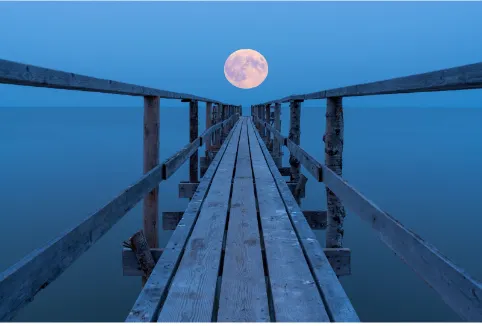
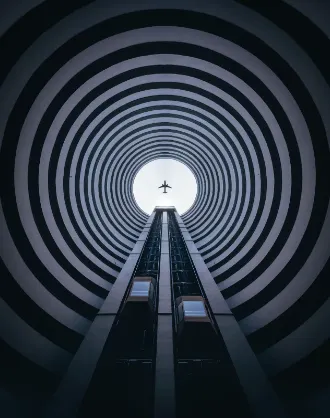
Leading lines
Symmetry and Centering
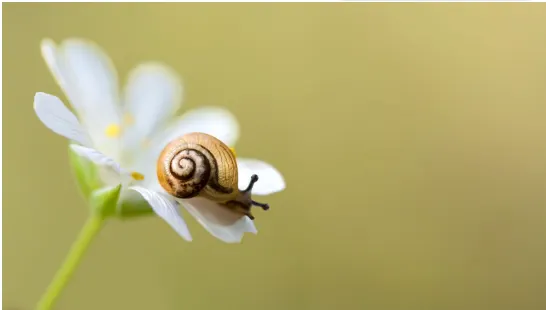
Negative space
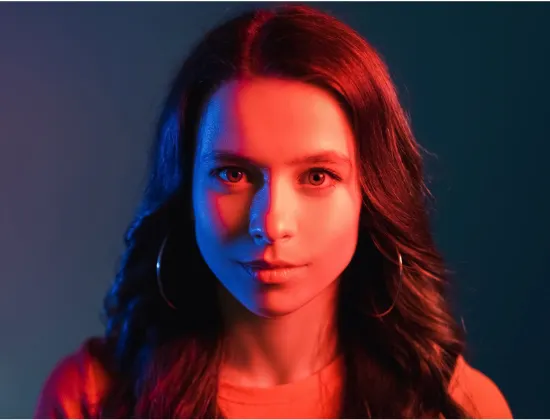
Lighting
Rule of thirds
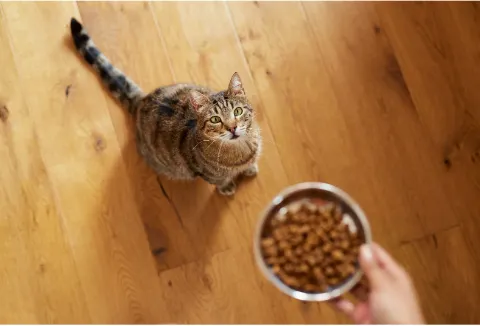
Camera Angle
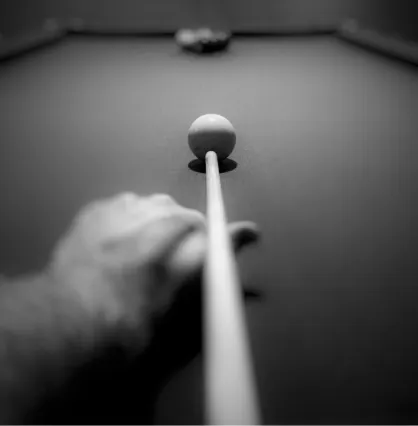
Focal point
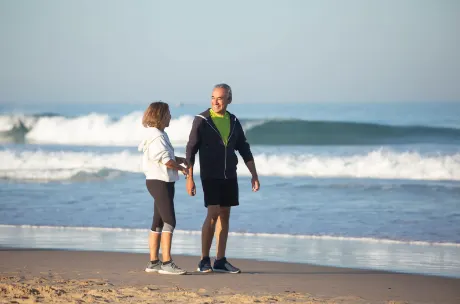
Arrangement of elements within an artwork
Using elements of an image to create a frame within a frame
Using lines to lead the viewer’s eyes through a photograph to the main subject
Parts of the compositing mirroring other parts in proportion (horizontal, vertical, diagonal symmetry)
Minimalist photography that emphasizes the subject by leading viewers from the empty space to the positive space
Natural lighting: light created by sunlight
Artificial lighting: anything that excludes natural light that can be manipulated
Note: lighting will always be paired with shadows
Splitting a scene into thirds and placing a subject at an intersection; a technique used to balance positive and negative space
Low angle: looking up at your subject from below their eye level; exaggerated depiction of subject
Eye-level: neutral angle taken that aligns with natural height that is used to pick up facial detail and expression of the subject
High angle: looking down at the subject from above their eye level; makes subject seem smaller and the surrounding more vast
Bird’s-eye view angle: extreme version of high angle shot that offers a panoramic view of the subject’s surrounding
Close-up shot: shot that tightly frames a subject, usually focusing on their face, to capture detail and expressions
Medium shot: typically show the subject from the waist up or knees up to depict the characters’ interactions and emotions without being too close or too far
Long angle shot: shot taken from a relatively far distance and shows the subject within its surrounding environments
Element within an image that draws the viewer’s attention







Cartoon Techniques
Panel
Borderless Panel
Gutter
Tier
Splash
Bleed /
Full bleed
Caricature
Graphic weight
Caption / Voice over
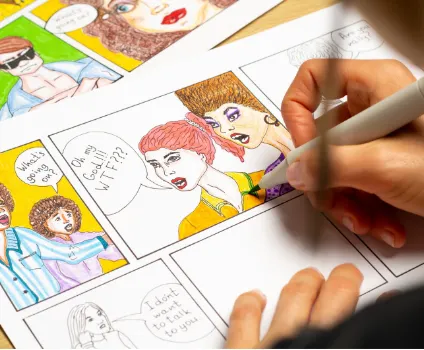
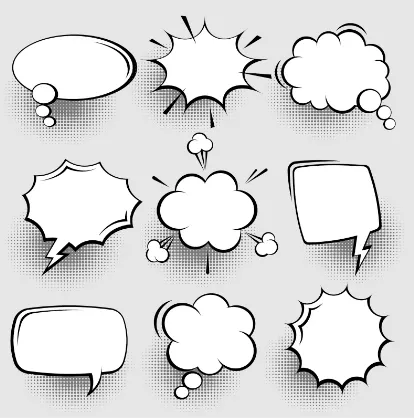
Speech and thought bubble
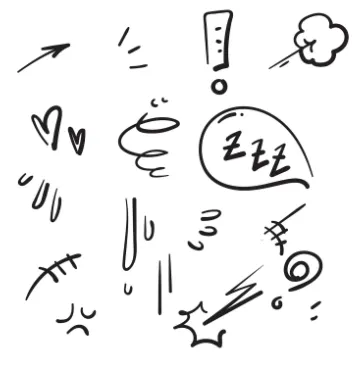
Emanata
Individual frame that usually contains a combination of illustration, dialogue, captions, and other visual elements
Panel without outlines separating it from adjacent panels
Space between panels
Series of frames that fills the whole width of a page
Page that is entirely taken up by a single panel
Image that extends beyond (all four walls of) the panel
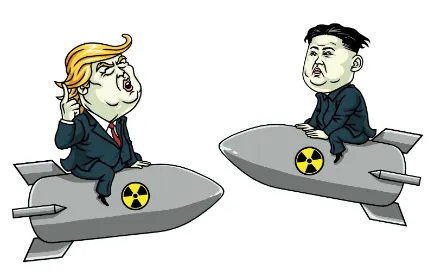
Comically simplified or exaggerated drawing of facial features, physical attributes, or personality traits with the purpose of satirizing or ridiculing its subject
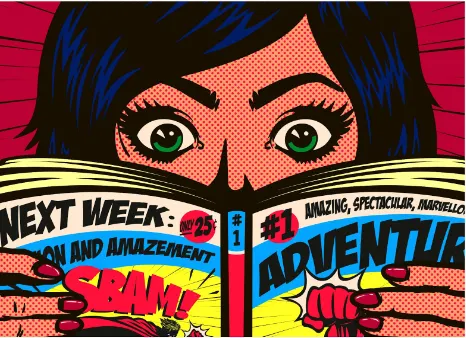
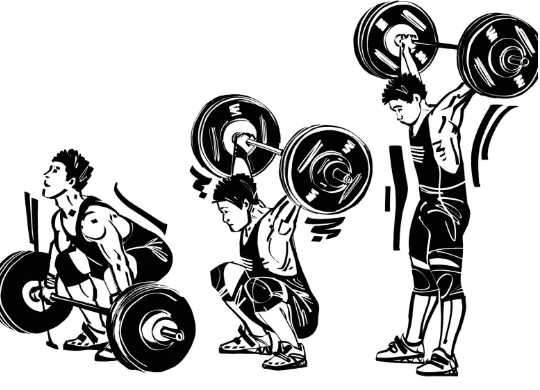
Creating a visual emphasis using color and shading
Short piece of text that offers insight or explanation that provide context, add humor, or convey a message relevant to the illustration
Representation of character’s speech and thought
Visual symbols that convey the emotions, actions, or other non-verbal elements to help communicate the mood and actions of characters without relying only on dialogue or narration