
 Understanding points
B4.1.1 Habitat as the place in which a community, species, population or organism lives
B4.1.2 Adaptations of organisms to the abiotic environment of their habitat
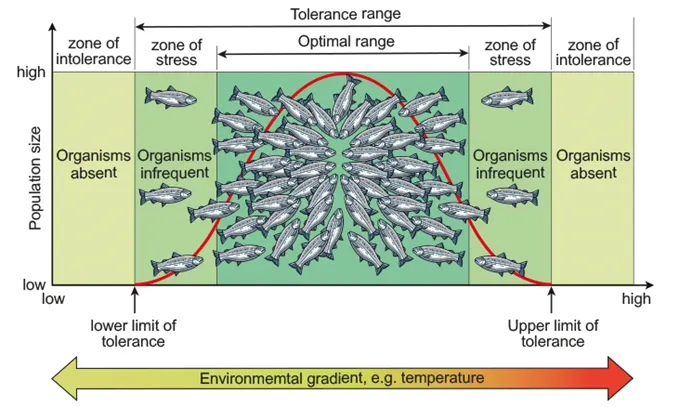
B4.1.3 Abiotic variables affecting species distribution
B4.1.4 Range of tolerance of a limiting factor
B4.1.5 Conditions required for coral reef formation
B4.1.6 Abiotic factors as the determinants of terrestrial biome distribution
B4.1.7 Biomes as groups of ecosystems with similar communities due to similar abiotic conditions and convergent evolution
B4.1.8 Adaptations to life in hot deserts and tropical rainforest |
Habitat
The place where an organism lives
•
Includes the geographical location, type of ecosystem, and physical and chemical conditions
•
Biotic factors: living components of an ecosystem, e.g. plants, animals, bacteria
•
Abiotic factors: nonliving components of an ecosystem, e.g. air, water, rock
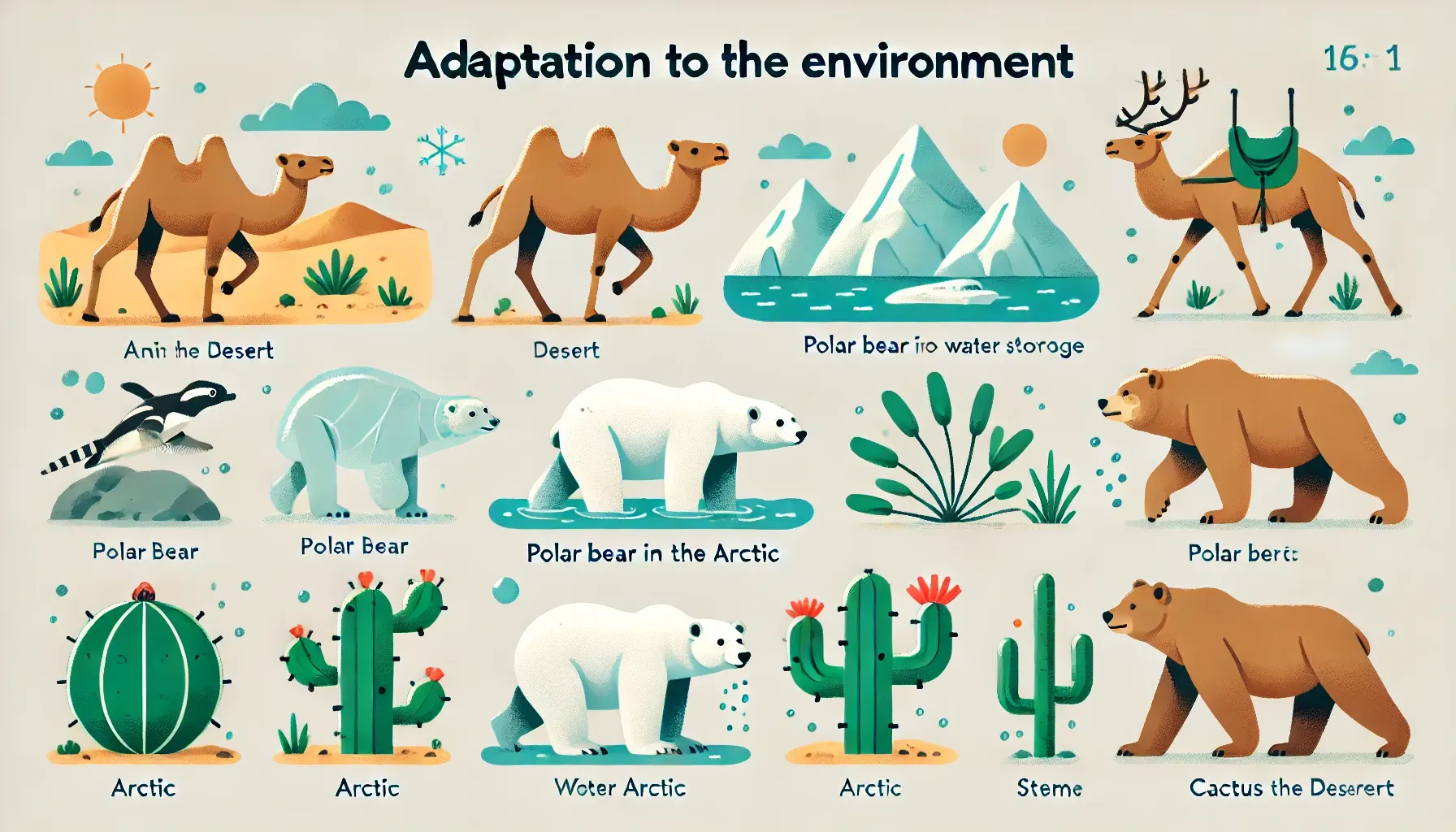
Adaptations to the environment
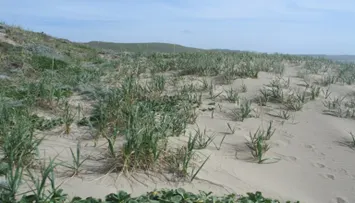
Sand dunes
Lyme grass
•
Underground stems called rhizomes that extend deep into the dune to obtain water
•
Thick waxy cuticle on leaves that reduces transpiration
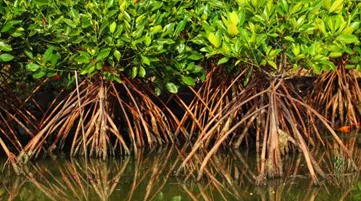
Mangrove swamps
Trees
•
Salt glands on leaves secrete excess salt
•
Roots covered in suberin that reduces permeability to salt
Desert
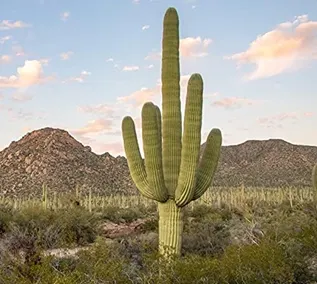
Saguaro cactus
•
Wide stems with water storage tissue
•
Leaves reduced to spines with less SA for transpiration
•
CAM metabolism that opens stomata at night
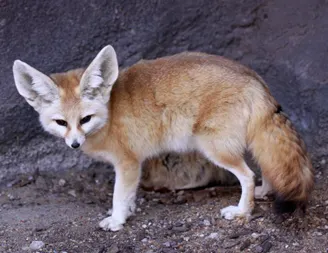
Fennec fox
•
Nocturnal activity
•
Pale coat reflects sunlight
•
Large ears that radiate heat and lower body temperature
Tropical rainforest
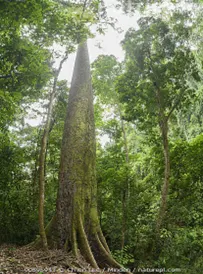
Yellow meranti
•
Grows over 100 m so less competition for light
•
Evergreen leaves carry out photosynthesis all year
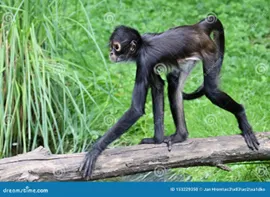
Spider monkey
•
Long arms and legs for climbing and reaching for fruit
•
Highly developed larynx for communication in dense woods


Conditions for coral reef formation
•
Corals have a symbiotic relationship with unicellular algae called zooxanthellae
•
Ocean acidification impedes calcification and causes coral destruction
Depth | < 50 m |
pH | > 7.8 |
Salinity | 32~42 parts per thousand ions |
Clarity | Clear |
Temperature | 23~29 ℃ |


Abiotic factors
Species distribution
The optimum zone of tolerance shows highest reproductive success
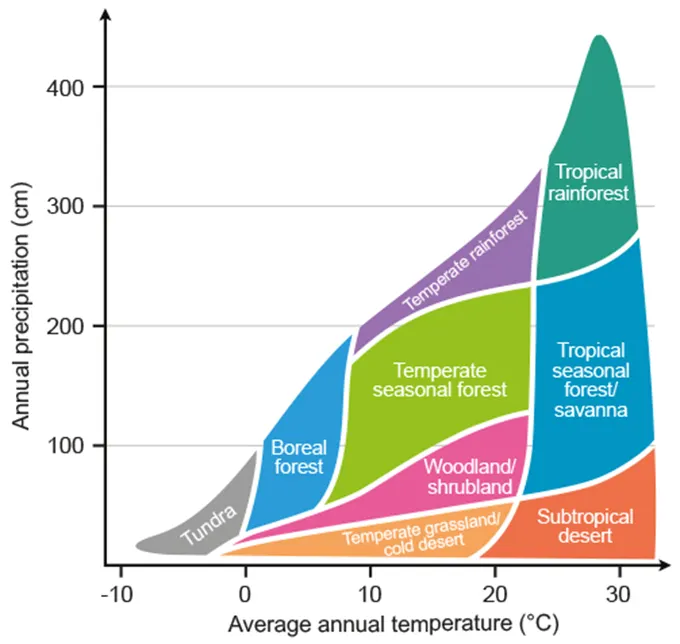
Terrestrial biome distribution
Biomes are groups of ecosystems with similar abiotic conditions
Climograph: shows the relationship between temperature, precipitation, and biome type