Mission
People
Join Us
Pricing
FAQ
Mentoring Program Curriculum (1)
/
Subjects
/
Biology
/
Topics
/
4. Ecosystems
Mentoring Program Curriculum (1)
/
Subjects
/
Biology
/
Topics
/
4. Ecosystems
Share
Mission
People
Join Us
Pricing
FAQ
4. Ecosystems
태그
Date
Gallery view
Search
Topics
Understanding points
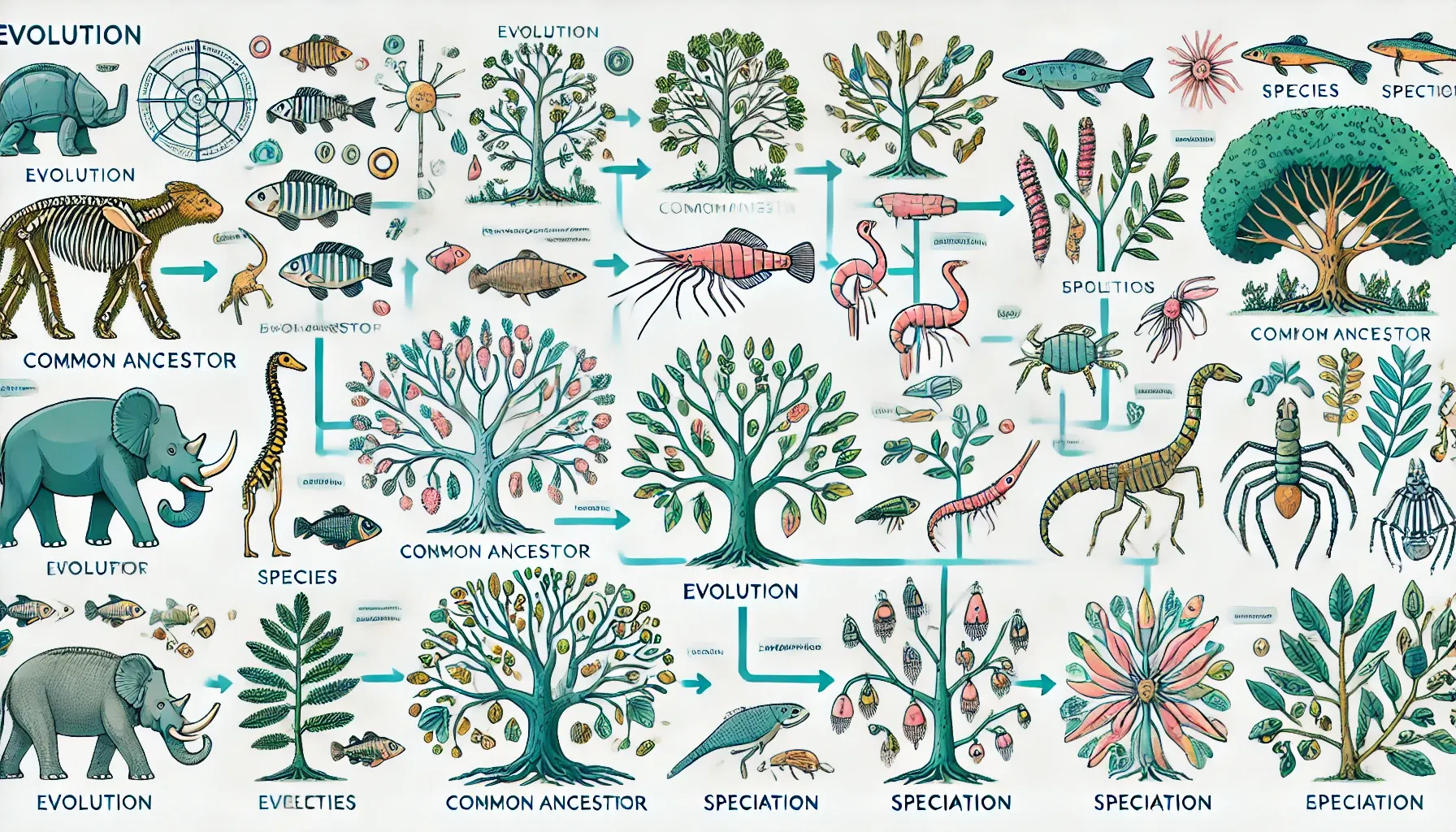
Evolution
Change in the
heritable
characteristics of a population
A4.1 Evolution and speciation
Understanding points
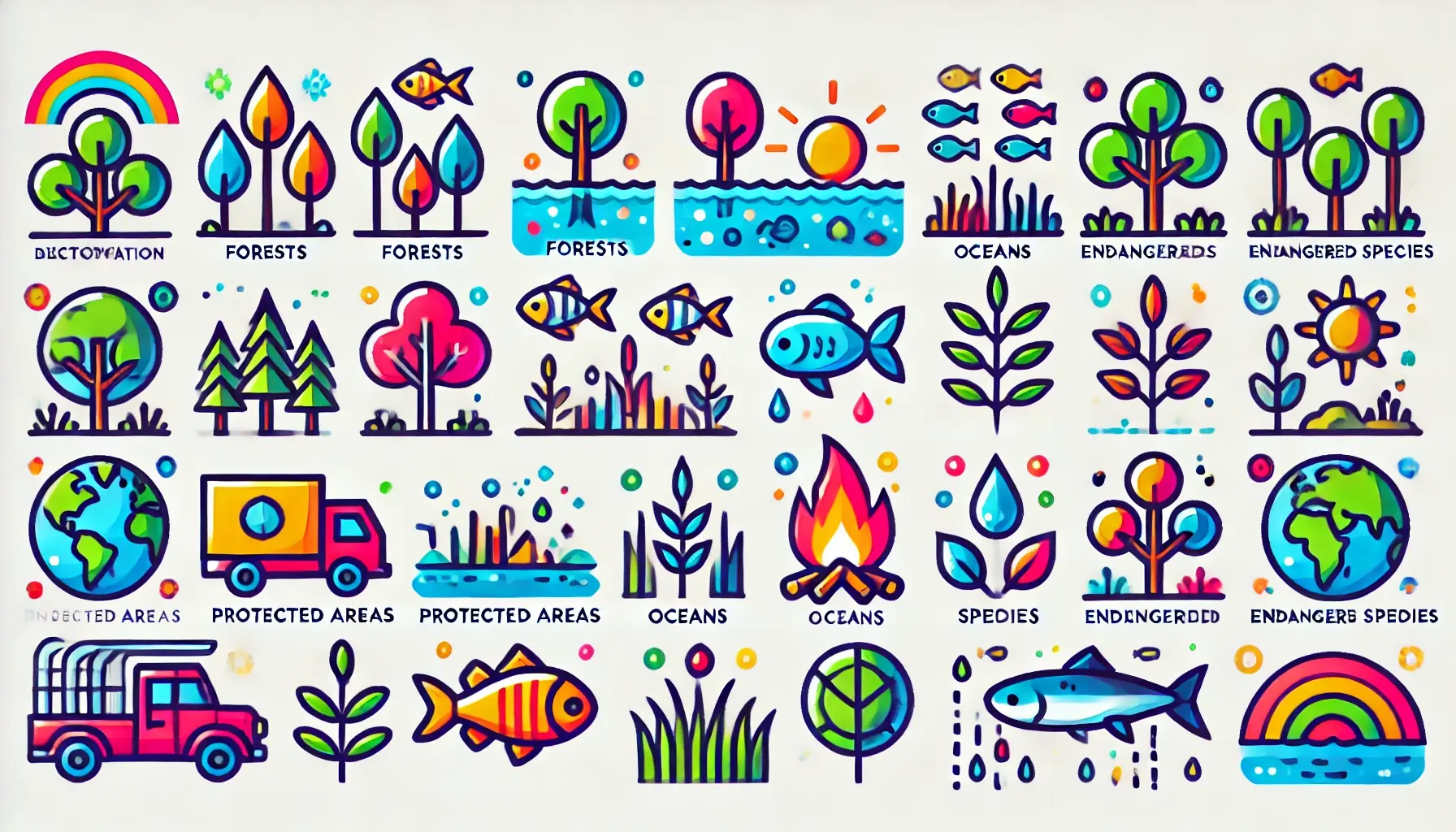
Biodiversity
The total number of different species living in a defined area
1.
Genetic
: the variety in the gene pool of a species
2.
Species
: the number of species present and their
relative abundance
in an area
•
Richness
: the number of species in an area
•
Evenness
: the relative abundance of each species
A4.2 Conservation of biodiversity
Understanding points
Habitat
The place where an organism lives
•
Includes the geographical location, type of ecosystem, and physical and chemical conditions
•
Biotic
factors: living components of an ecosystem, e.g. plants, animals, bacteria
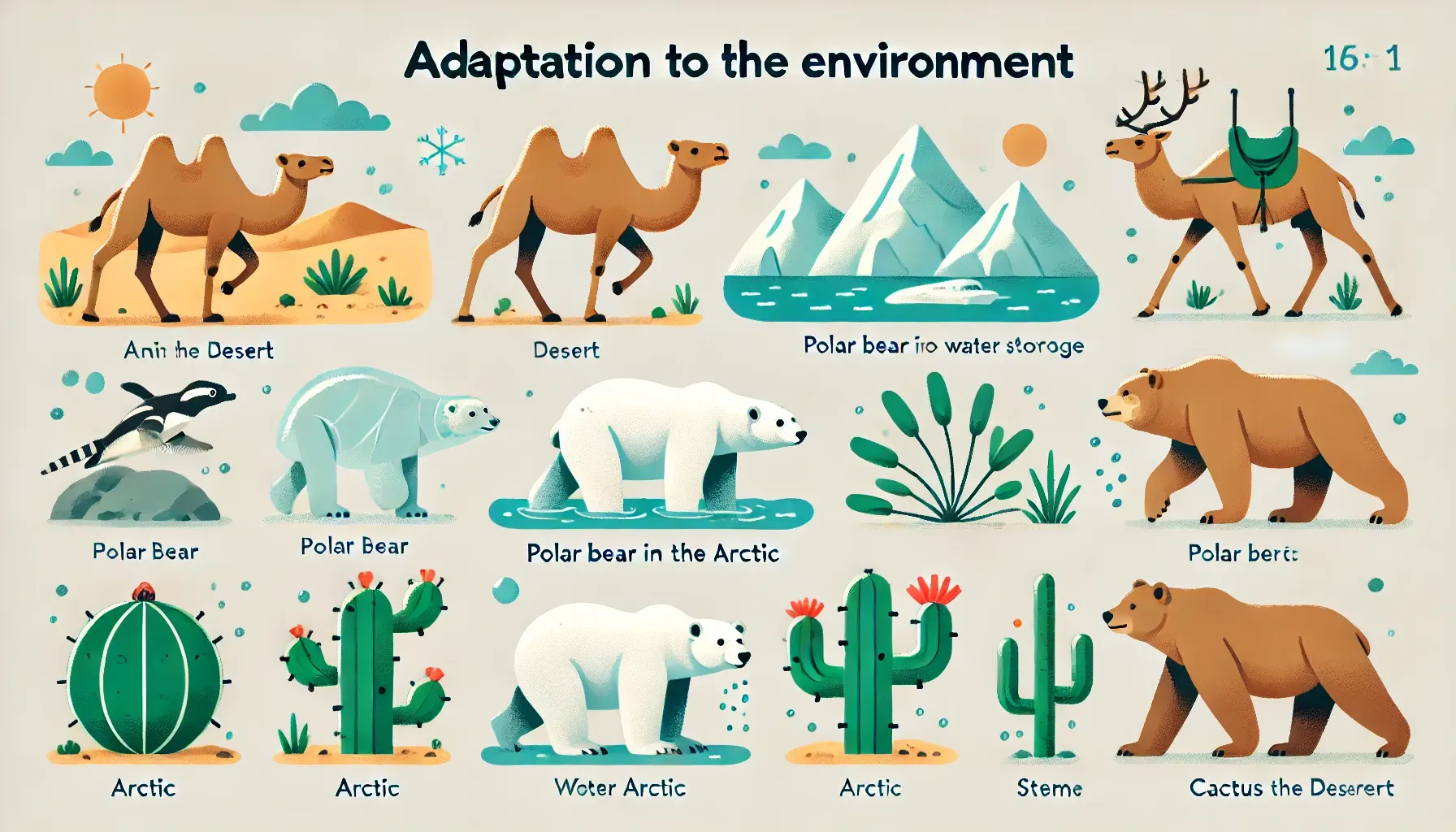
B4.1 Adaptation to environment
Understanding points
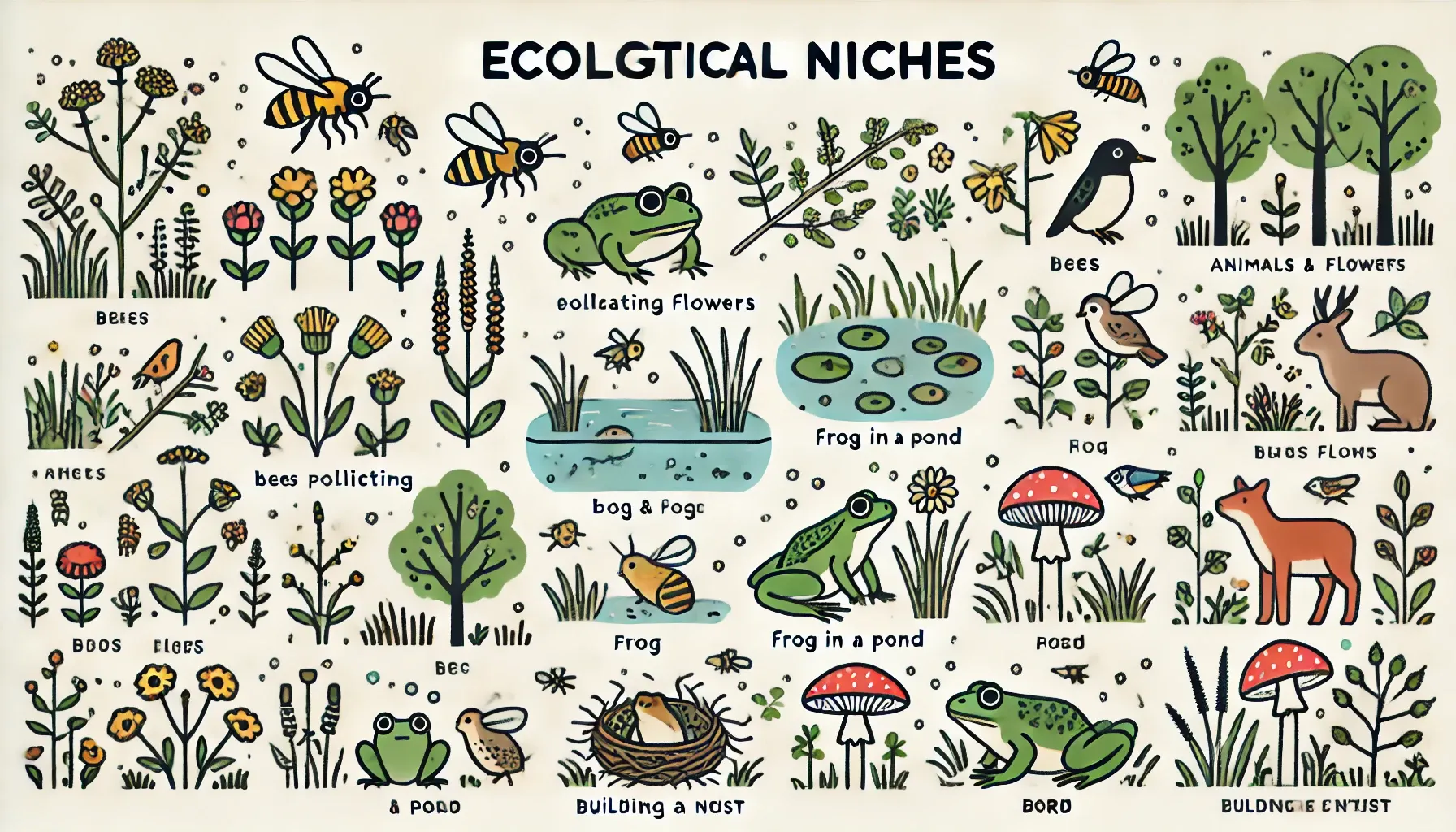
Ecological niche
The unique role of an organism in an ecosystem
•
Fundamental
: the
potential
niche in the absence of competition
•
Realized
: the
actual
niche due to competition
B4.2 Ecological niches
Understanding points
Population
A group of individuals of the same species living in an area
•
Carrying capacity
: maximum population size that an environment can support
◦
Determined by abundance of resources: water, space, food
Estimation of population size
C4.1 Populations and communities
Understanding points
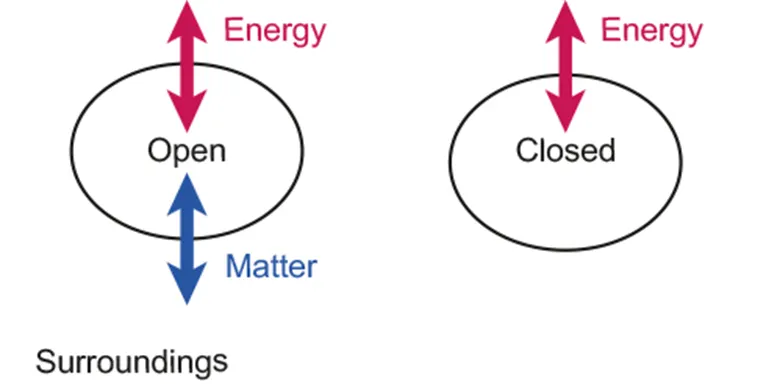
Open and closed systems
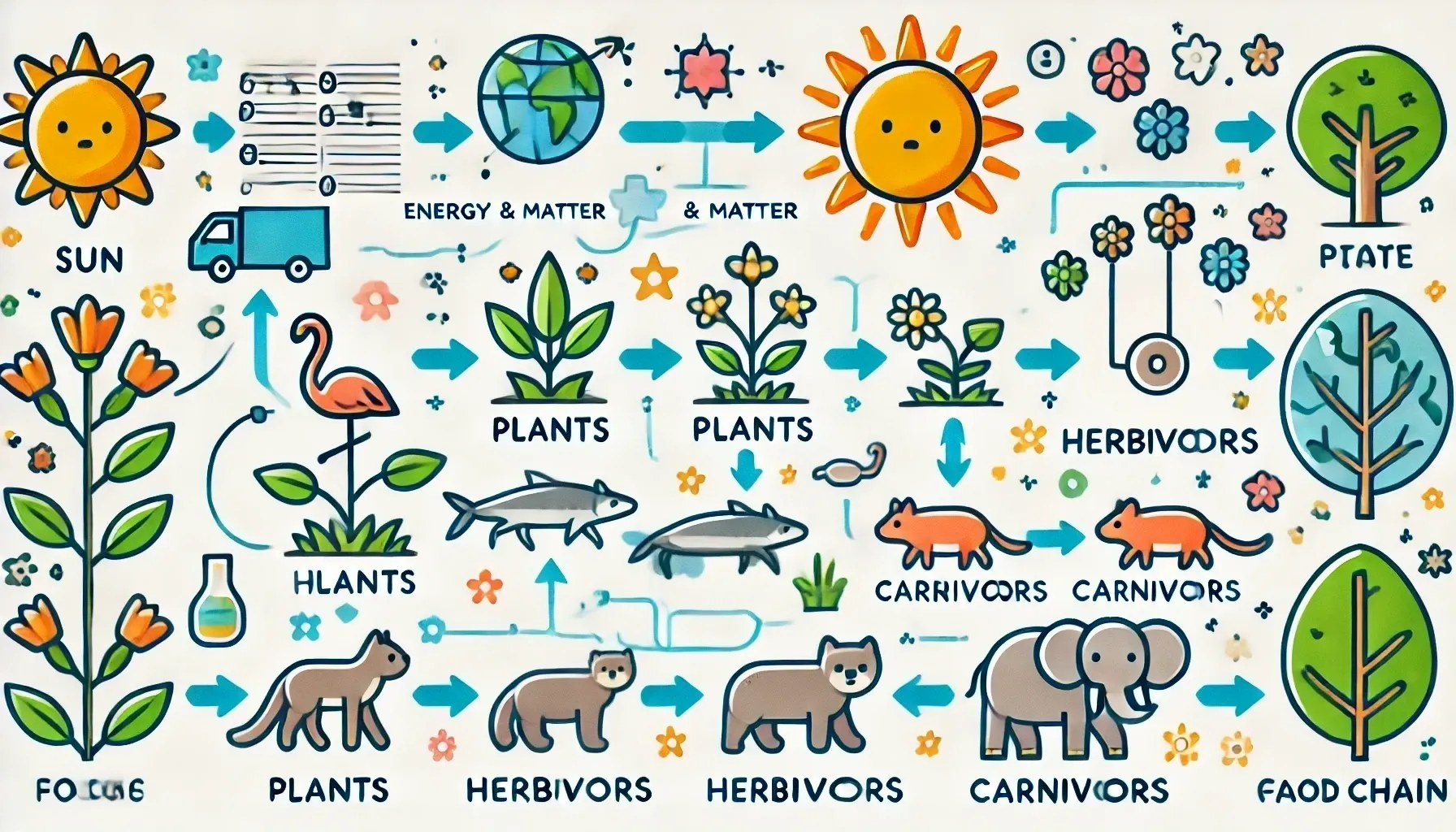
C4.2 Transfer of energy and matter
Understanding points
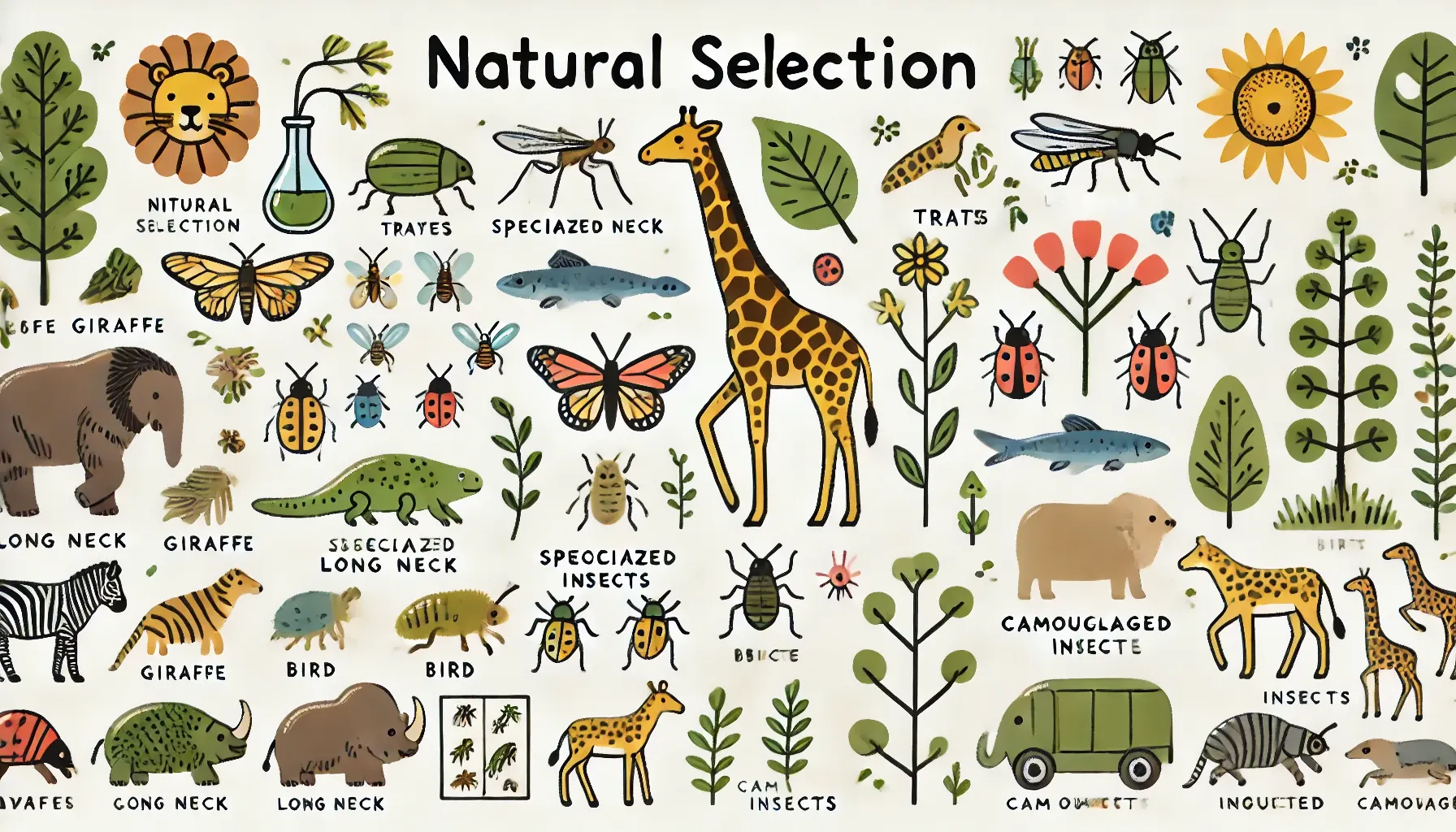
Natural selection
D4.1.1 Natural Selection
D4.1 Natural selection
Understanding points
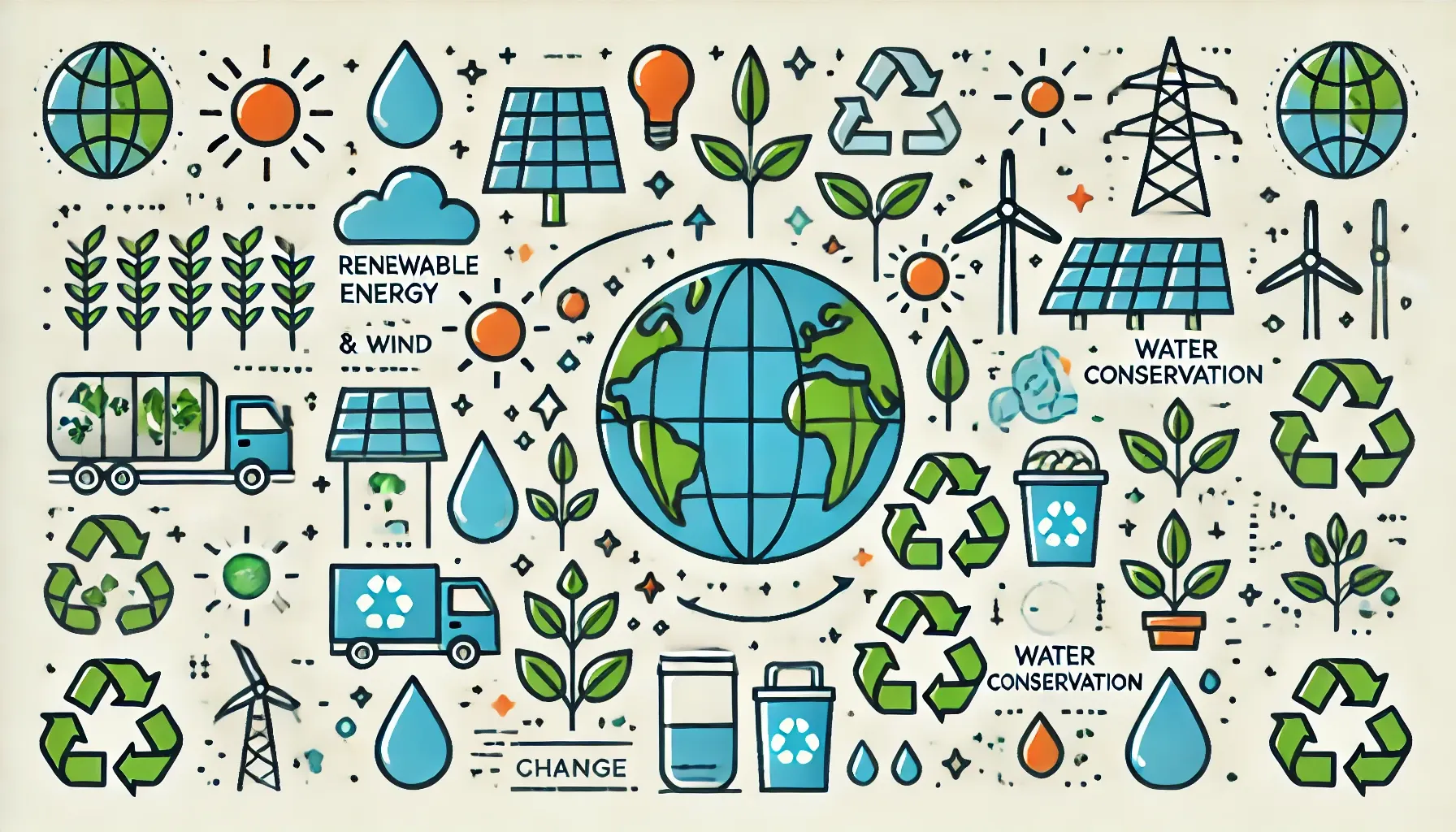
Sustainability
•
Systems are stable if they can continue for an unlimited amount of time
•
Sustainability of ecosystems requires a steady supply of energy, nutrient cycling, tolerable climate, and high genetic diversity
•
Tipping point
: a level of disturbance beyond which irreversible changes occur to the ecosystem
D4.2 Sustainability and change
Understanding points
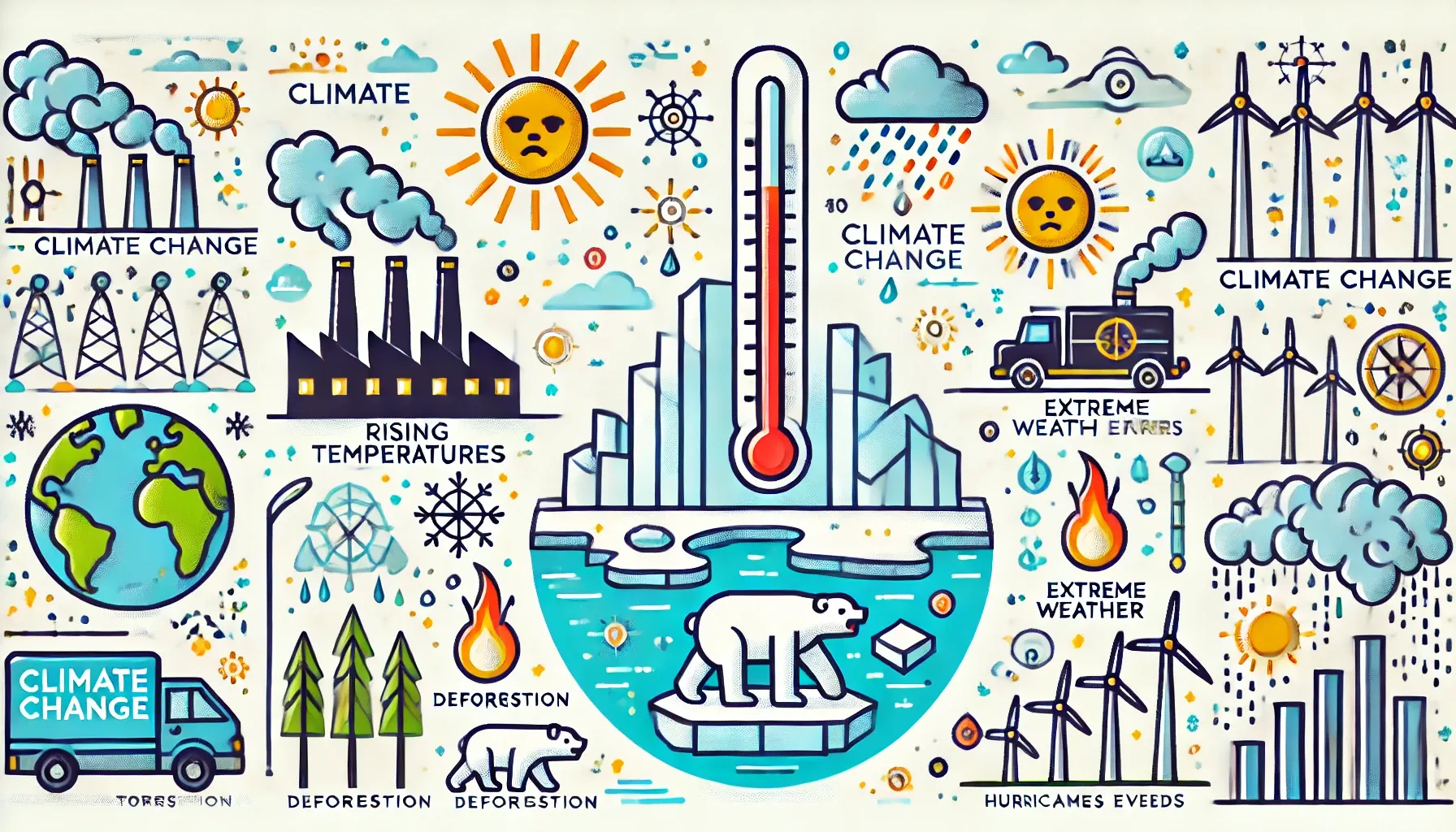
Climate change
D4.3 Climate change