

 Understanding points
A4.2.1 Biodiversity as the variety of life in all its forms, levels and combinations
A4.2.2 Comparisons between current number of species on Earth and past levels of biodiversity
A4.2.3 Causes of anthropogenic species extinction
A4.2.4 Causes of ecosystem loss
A4.2.5 Evidence for a biodiversity crisis
A4.2.6 Causes of the current biodiversity crisis
A4.2.7 Need for several approaches to conservation of biodiversity
A4.2.8 Selection of evolutionarily distinct and globally endangered species for conservation prioritization in the EDGE of Existence programme |
Biodiversity
The total number of different species living in a defined area
1.
Genetic: the variety in the gene pool of a species
2.
Species: the number of species present and their relative abundance in an area
•
Richness: the number of species in an area
•
Evenness: the relative abundance of each species
3.
Ecosystem: the range of different habitats or number of ecological niches in an ecosystem
Ecosystem
A community of organisms and the abiotic environment in which they live
•
5 mass extinctions in the past, all due to natural causes
•
6th mass extinction is underway, caused by human activities
Causes of anthropogenic species extinction and ecosystem loss
Habitat destruction due to agriculture and urbanization | Overexploitation of natural resources such as logging, hunting, fishing | Invasive species that outcompete endemic species |
Pollution from fossil fuel combustion, mining, fertilizers | Water management such as dams and irrigation | Climate change leading to rapid changes in temperature and rainfall |


Case studies
Species extinction | Ecosystem loss |
• Caribbean monk seal: hunted for its oil
• Giant moa: hunted for its meat
• Silphium: overharvested | Loss of mixed dipterocarp forests in Southeast Asia
• Causes: logging and palm oil plantations
• Consequences: release of CO₂ from peat contributes to global warming
Loss of the Aral Sea
• Causes: diversion of rivers for irrigation
• Consequences: increased salinity and falling water levels led to extinction of fish |
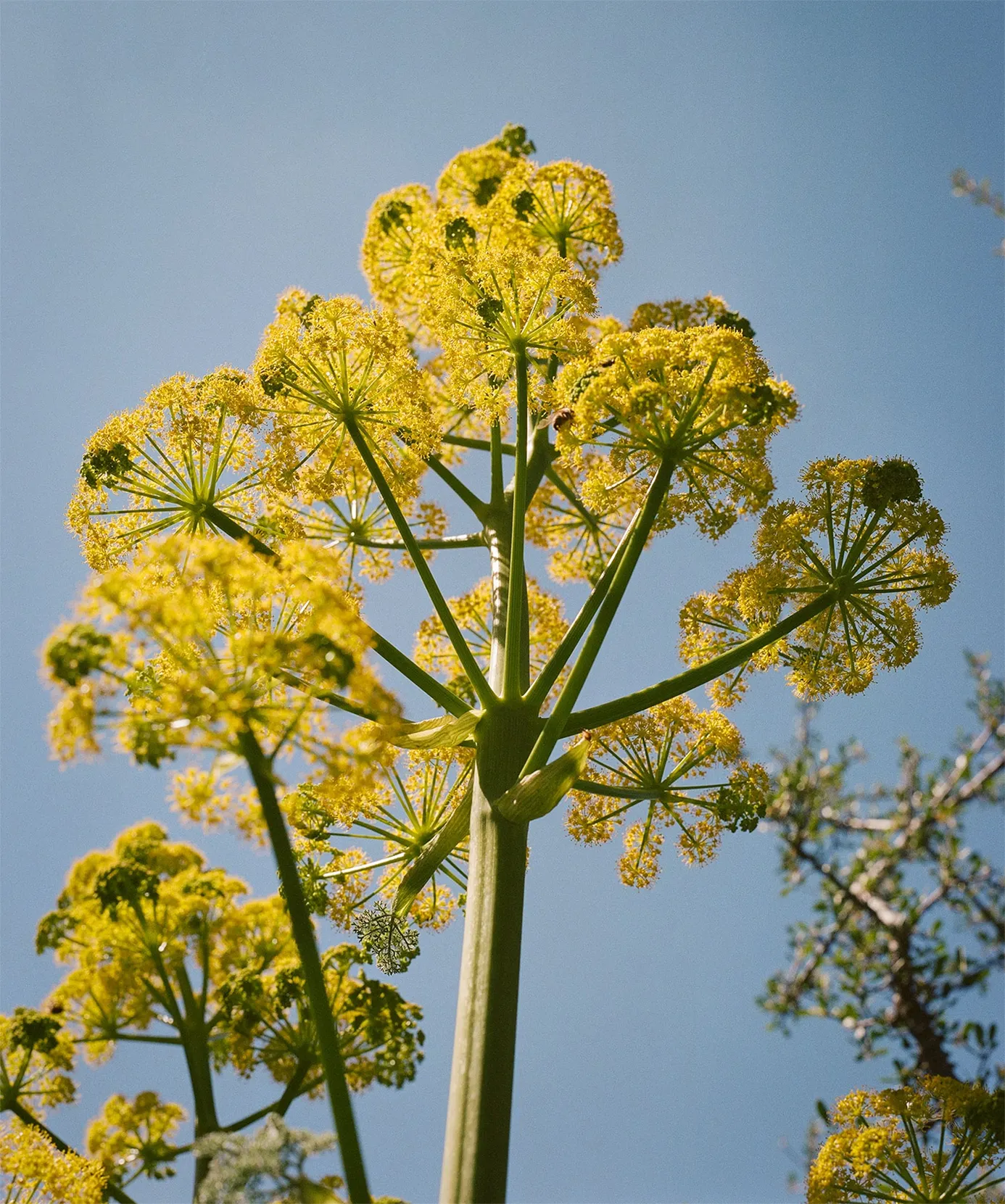
Silphium
Biodiversity crisis
The loss of ecosystems and species at an unprecedented rate
Evidence | Causes |
Population size of a species | Human population growth |
Genetic diversity of a species | Overexploitation |
Range of a species | Urbanization |
Species richness and evenness of an ecosystem | Deforestation and conversion of land for agriculture and mining |
The area of an ecosystem | Invasive species: lionfish, water hyacinth |
Conservation of biodiversity
•
In situ conservation: the conservation of species in their natural habitat
◦
e.g. national parks and nature reserves
Management | Designing effective reserves |
Removal of invasive species | Single large area: supports a greater range of habitats and species |
Reintroduction of locally extinct species | Round shape: smaller perimeter reduces edge effects |
Control of human access | Intact habitat: rather than fragmented |
Research and monitoring | Areas connected by corridors: enables gene flow |
◦
Rewilding: aims to restore ecosystems and biodiversity by allowing wildlife and natural processes to reclaim areas no longer under human management
▪
e.g. Introduction of the grey wolf to Yellowstone National Park: lowered the local elk population population and their overgrazing of plants
•
Ex situ conservation: the preservation of species outside their natural habitats
◦
e.g. zoos, botanical gardens, seed banks
◦
Captive breeding programs were used for the Golden lion tamarin and Bengal tiger
•
The EDGE of Extinction project: uses 2 criteria to prioritize species that require conservation
◦
EDGE species that fit both criteria are targeted for intense conservation efforts
Evolutionarily Distinct | the species has few or no close relatives |
Globally Endangered | all remaining populations of the species are threatened |