

 Understanding points
D4.2.1 Stability as a property of natural ecosystems
D4.2.2 Requirements for stability in ecosystems
D4.2.3 Deforestation of Amazon rainforest as an example of a possible tipping point in ecosystem stability
D4.2.4 Role of keystone species in the stability of ecosystems
D4.2.5 Assessing sustainability of resource harvesting from natural ecosystems
D4.2.6 Factors affecting the sustainability of agriculture
D4.2.7 Eutrophication of aquatic and marine ecosystems due to leaching
D4.2.8 Biomagnification of pollutants in natural ecosystems
D4.2.9 Effects of microplastic and macroplastic pollution of the oceans
D4.2.10 Restoration of natural processes in ecosystems by rewilding
D4.2.11 Ecological succession and its causes (HL only)
D4.2.12 Changes occurring during primary succession (HL only)
D4.2.13 Cyclical succession in ecosystems (HL only)
D4.2.14 Climax communities and arrested succession (HL only) |
Sustainability
•
Systems are stable if they can continue for an unlimited amount of time
•
Sustainability of ecosystems requires a steady supply of energy, nutrient cycling, tolerable climate, and high genetic diversity
•
Tipping point: a level of disturbance beyond which irreversible changes occur to the ecosystem
•
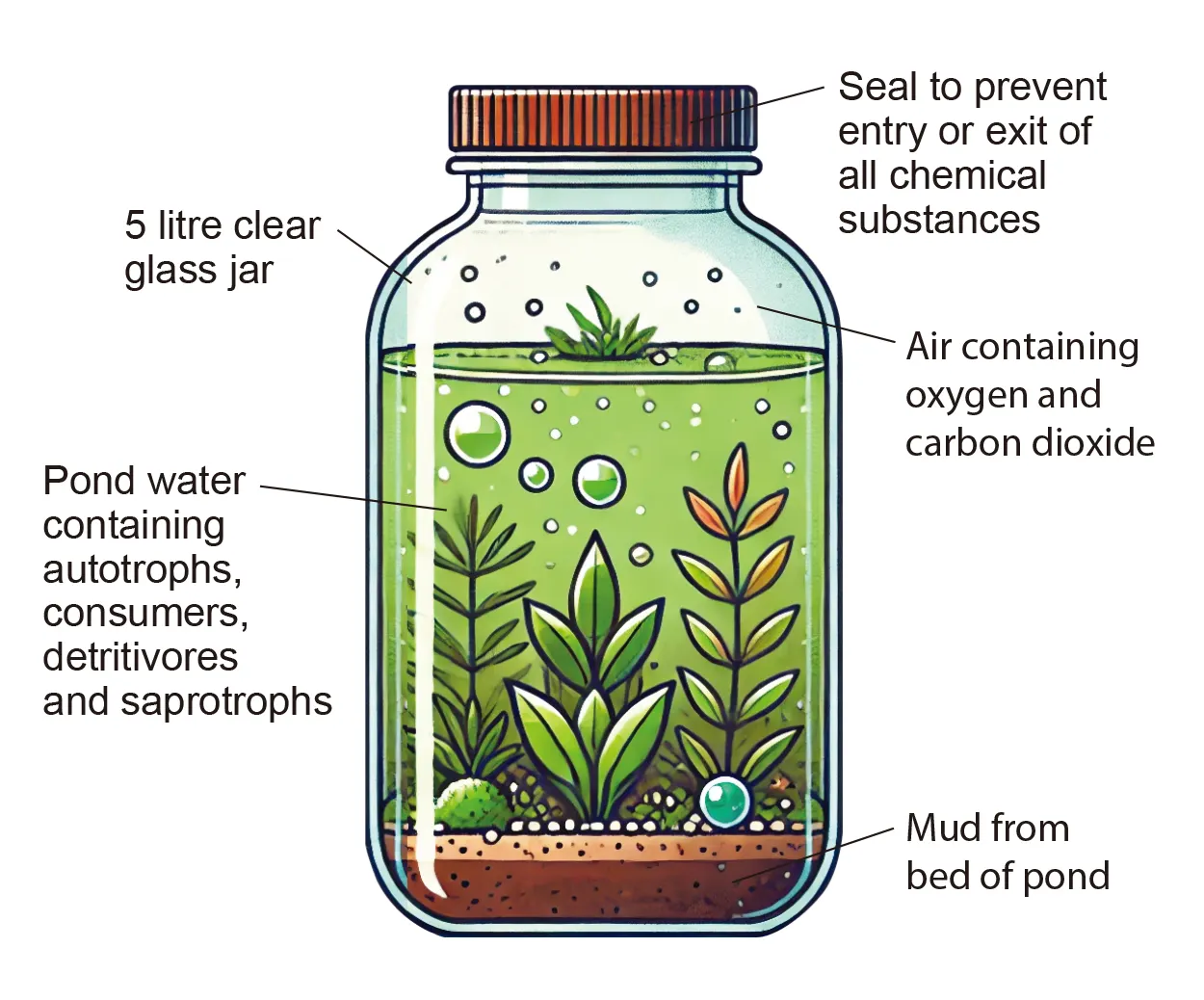
A mesocosm can be used to model ecosystem sustainability


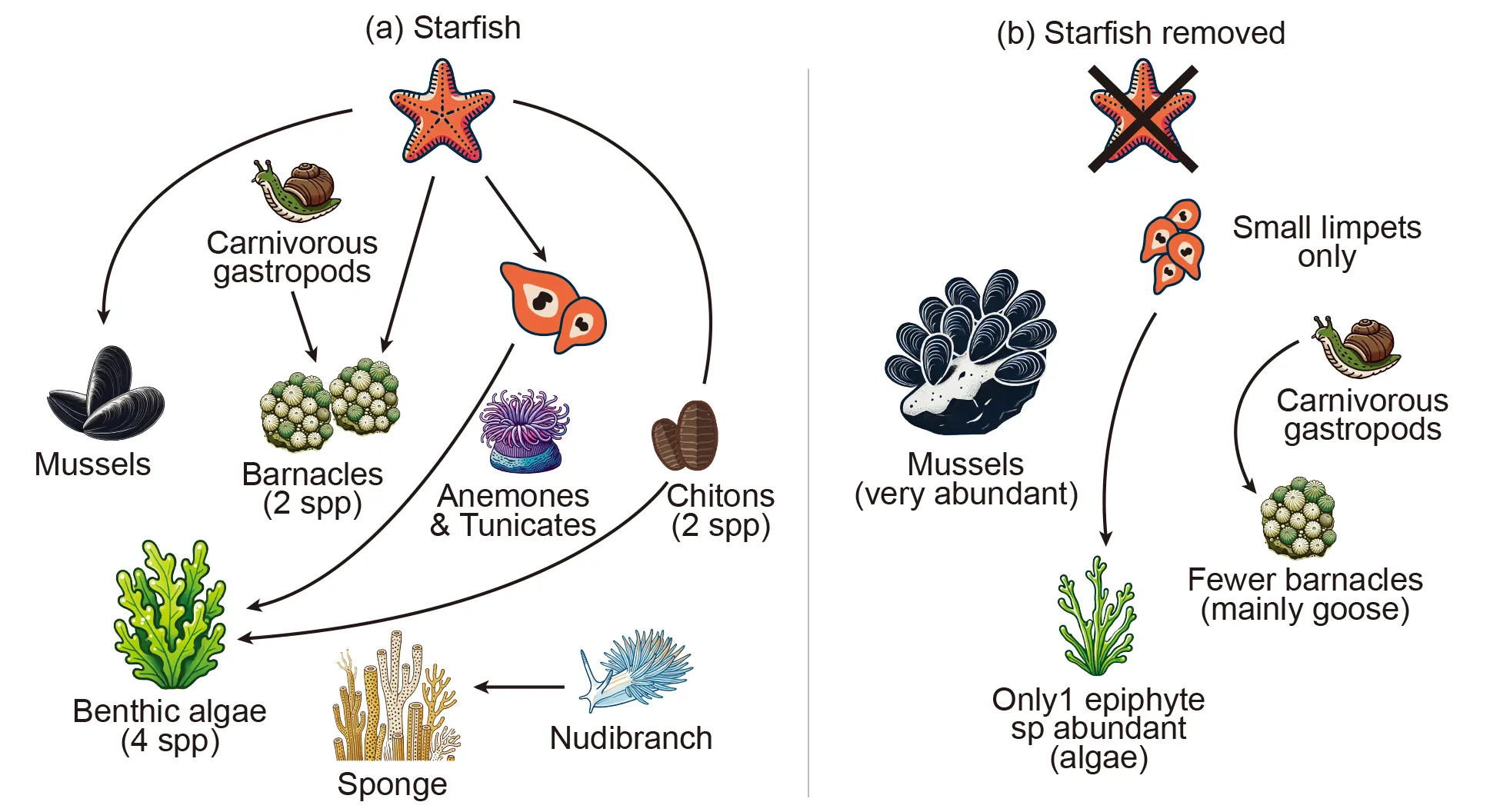
Keystone species
Have a disproportionate effect on ecosystem structure
•
Their loss reduces species diversity and may lead to ecosystem collapse
•
e.g. sea stars


Exploitation of natural systems
Fishing | Overfishing has led to a total collapse of cod population near Newfoundland
Prohibiting fishing in nursery areas, increasing the size of holes in nets, and limiting the overall catch per year has helped restore their numbers |
Agriculture | Tillage causes soil erosion
Harvesting crops depletes the soil of nutrients
Monocultures promote pest and weed growth |


Organic pollution
•
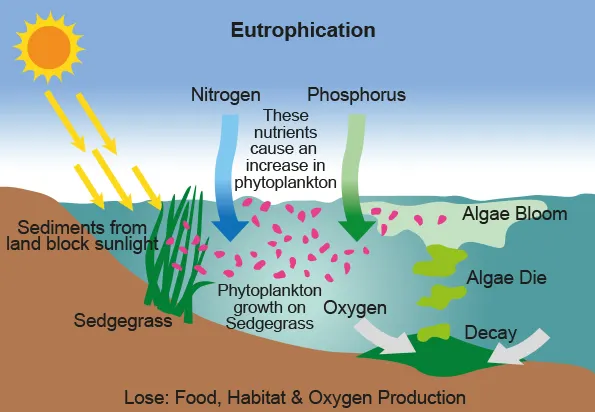
Leaching: rainwater washes nutrients such as phosphates and nitrates from the soil
◦
Crop and livestock production increases leaching due to fertilizers and manure
•
Eutrophication: nutrient enrichment of aquatic ecosystems from leaching
◦
High biochemical oxygen demand (BOD) leads to anaerobic waters
Plastic pollution
Macroplastics | Large pieces of plastic such as fishing nets and bottles
Cause gut blockage in animals |
Microplastics | 1 μm ~ 5 mm in diameter, microbeads in cosmetics
Ingested by filter-feeders |
Nanoplastics | < 1 μm in diameter, formed by fragmentation of microplastics
Can pass through cell membranes and accumulate in cells |


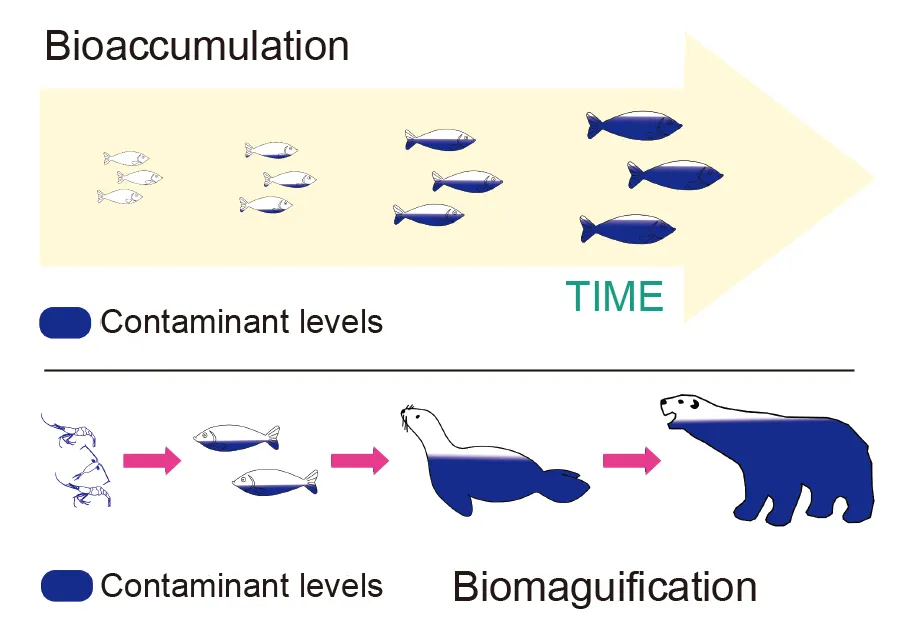
Bioaccumulation and biomagnification
Bioaccumulation | Biomagnification |
Buildup of non-biodegradable chemicals in an organism’s tissues
e.g. mercury | Chemical substances become more concentrated in higher trophic levels
e.g. top predators |


Rewilding
Restoring natural ecosystems with minimal human intervention
•
Spreading seeds, introducing keystone species, controlling invasive species
•
e.g. Hinewai reserve, New Zealand


*(AHL)
Ecological succession
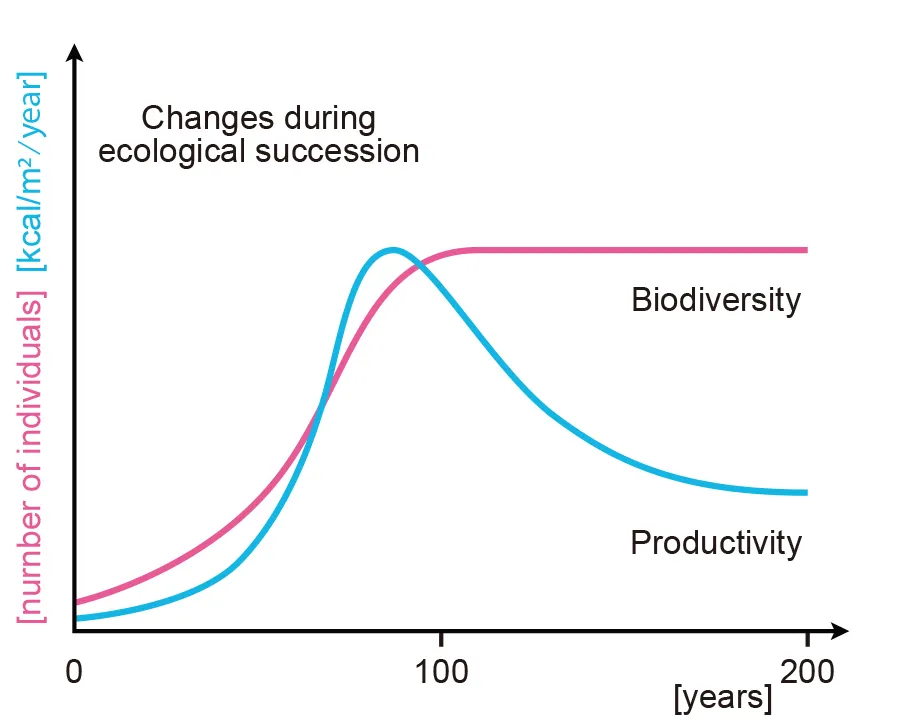
Change over time in a community
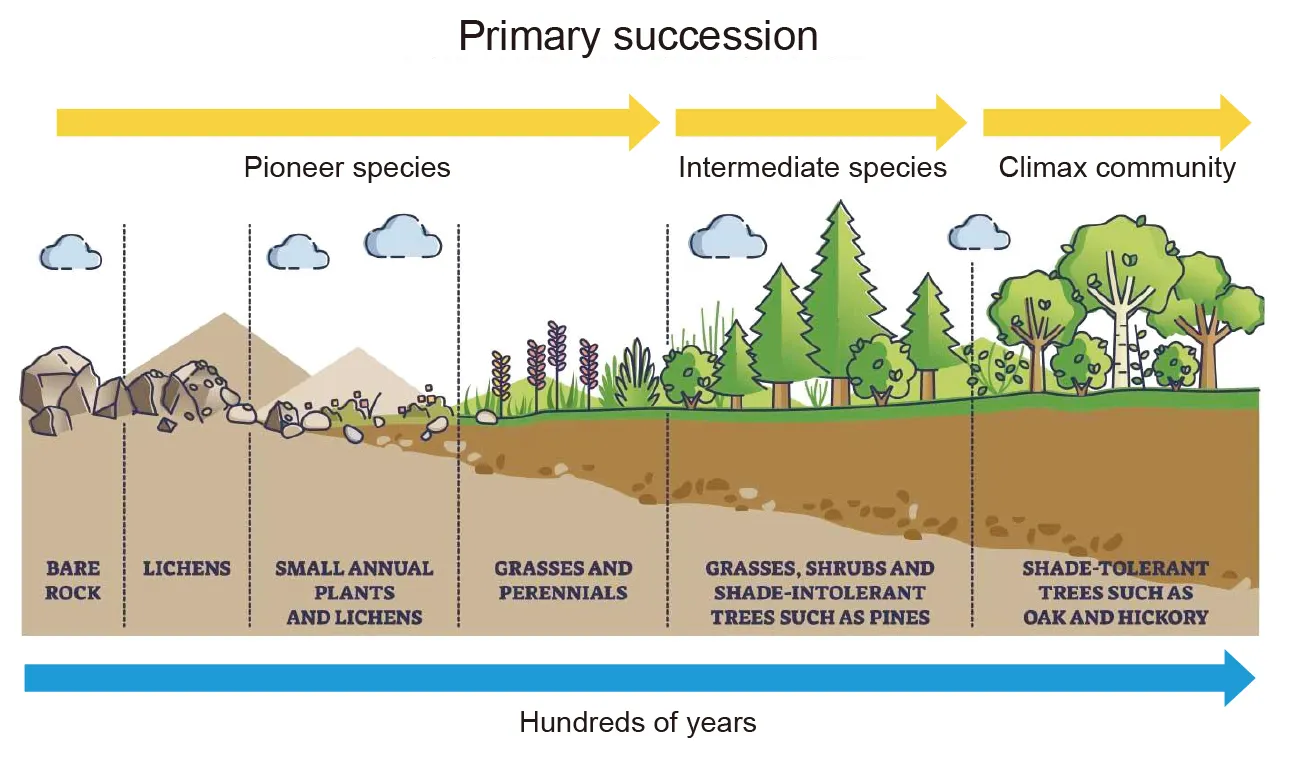
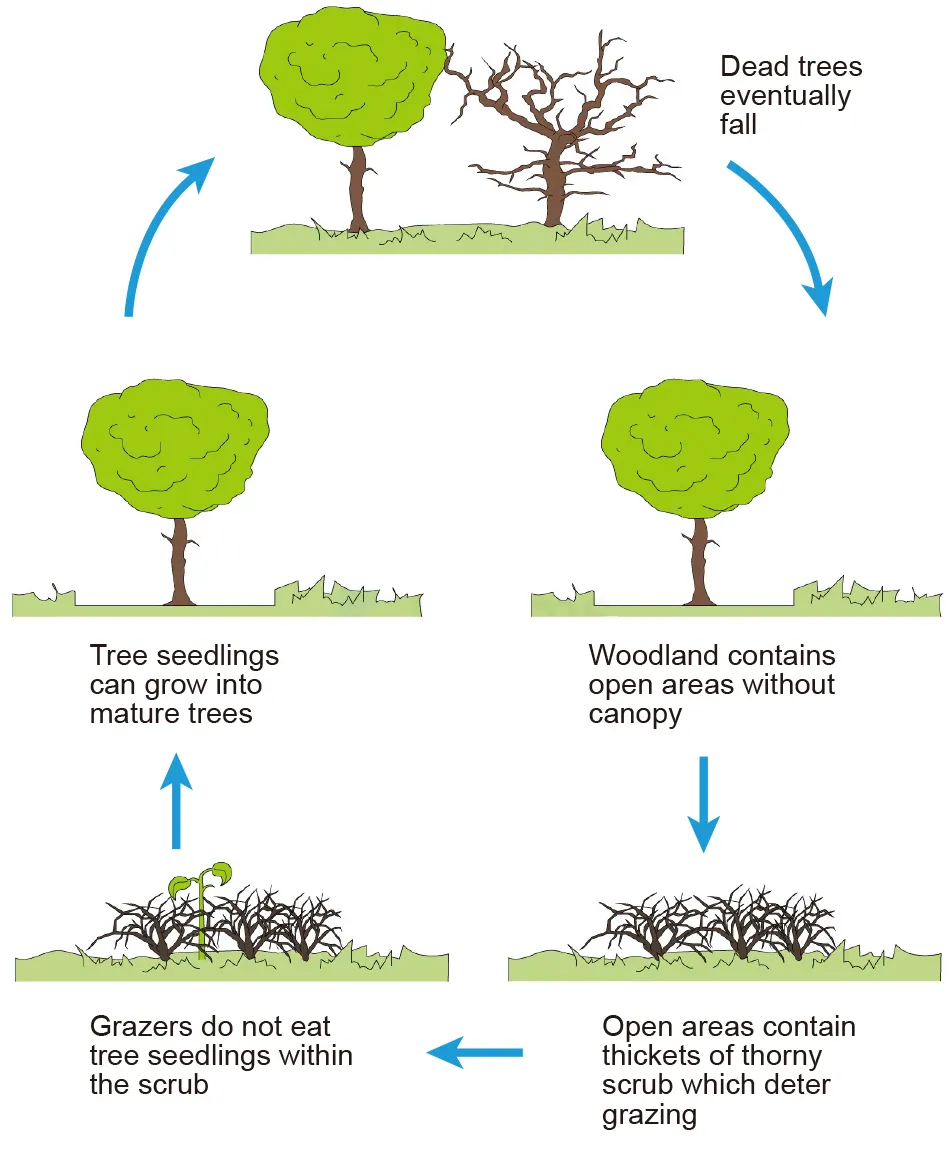
Primary | Cyclical |
Begins in environments with no soil and vegetation
Initiated by disturbances such as an avalanche or forest fire
Human activities such as grazing and drainage of wetlands may arrest succession and lead to a plagioclimax | Species replace each other over time repeatedly without stimulation from disturbances |
Primary succession
Changes during succession
Secondary succession