
 Understanding points
D4.1.1 Natural selection as the mechanism driving evolutionary change
D4.1.2 Roles of mutation and sexual reproduction in generating the variation on which natural selection acts
D4.1.3 Overproduction of offspring and competition for resources as factors that promote natural selection
D4.1.4 Abiotic factors as selection pressures
D4.1.5 Differences between individuals in adaptation, survival and reproduction as the basis for natural selection
D4.1.6 Requirement that traits are heritable for evolutionary change to occur
D4.1.7 Sexual selection as a selection pressure in animal species
D4.1.8 Modelling of sexual and natural selection based on experimental control of selection pressures
D4.1.9 Concept of the gene pool (HL only)
D4.1.10 Allele frequencies of geographically isolated populations (HL only)
D4.1.11 Changes in allele frequency in the gene pool as a consequence of natural selection between individuals according to differences in their heritable traits (HL only)
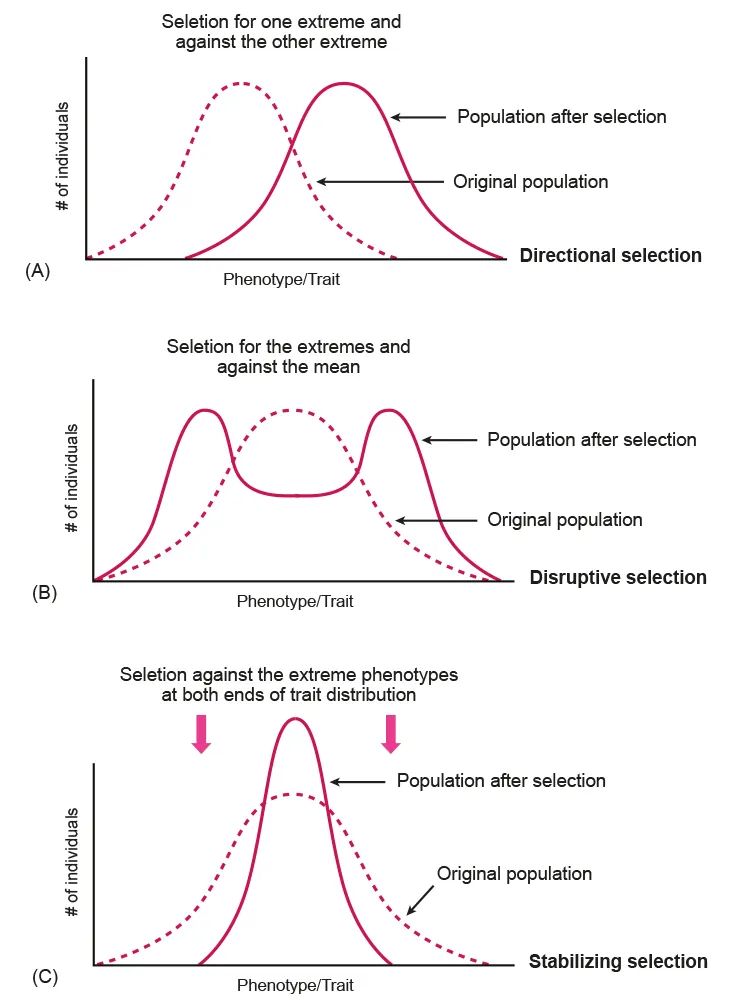
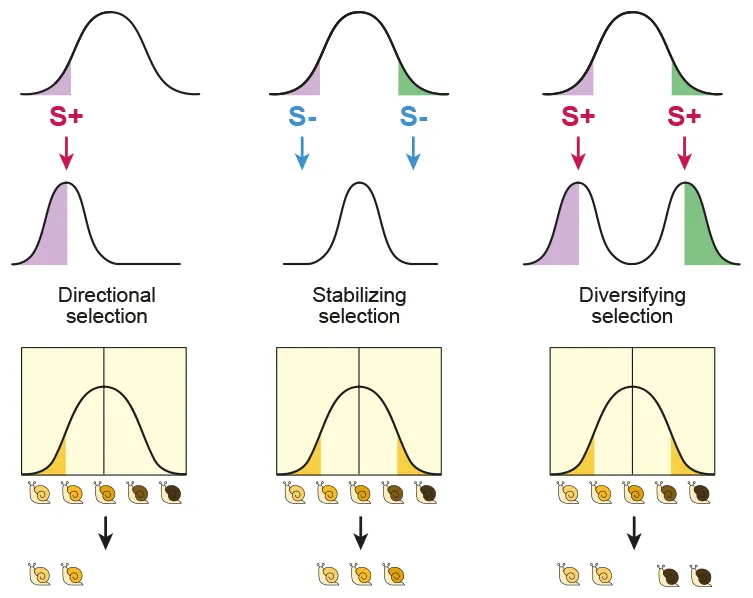
D4.1.12 Differences between directional, disruptive and stabilizing selection (HL only)
D4.1.13 Hardy–Weinberg equation and calculations of allele or genotype frequencies (HL only)
D4.1.14 Hardy–Weinberg conditions that must be maintained for a population to be in genetic equilibrium (HL only)
D4.1.15 Artificial selection by deliberate choice of traits (HL only) |
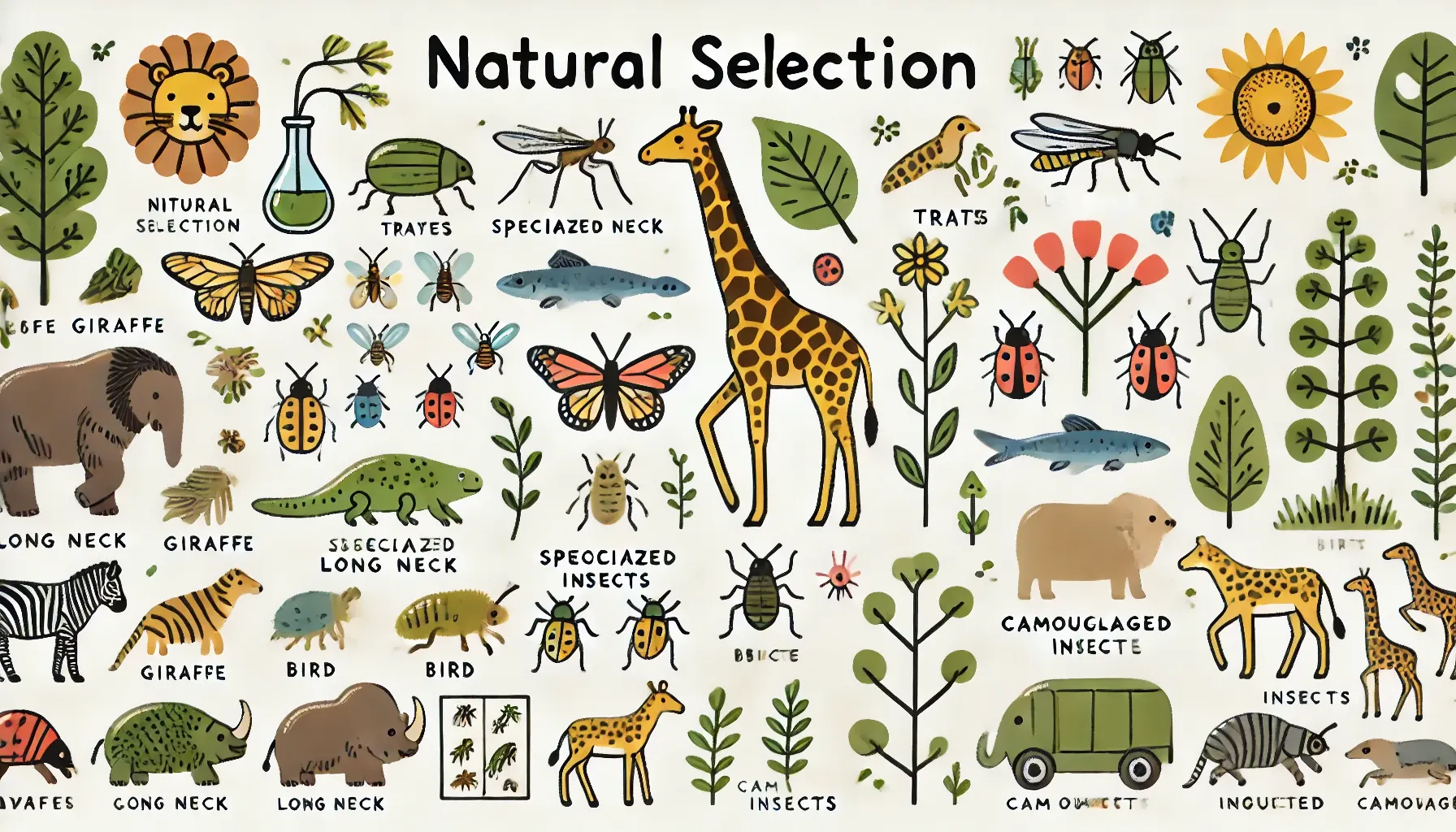
Natural selection
Conditions | 1. Genetic variation: mutation, meiosis, sexual reproduction
2. Overproduction of offspring → competition
3. Selection pressure: food, temperature |
Process | Individuals that are better adapted to the environment survive and reproduce (survival of the fittest)
↓
The offspring inherit the favorable genes and reproduce
↓
Over time, the allele frequency of the trait increases
↓
Changes in the population as a whole : evolution |


Sexual selection
•
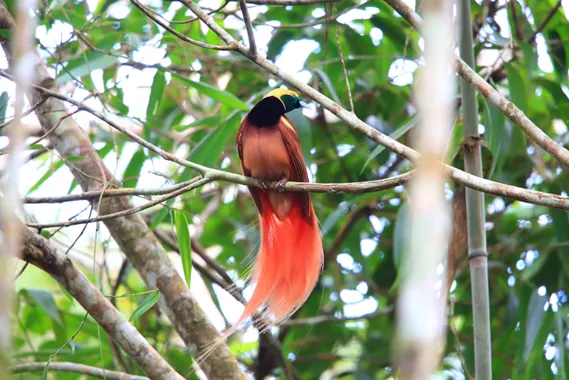
Male birds of paradise have long, colorful feathers to attract a female
•
These traits are inconvenient and detrimental to their survival but signal their health and strength, increasing their chances of mating (reproductive success)


*(AHL)
Gene pool
The total sum of alleles for all genes present in a sexually reproducing population
•
A large gene pool indicates high levels of genetic diversity, increasing biological fitness and chances of survival
•
A small gene pool indicates low levels of genetic diversity, reducing biological fitness and increasing chances of extinction
•
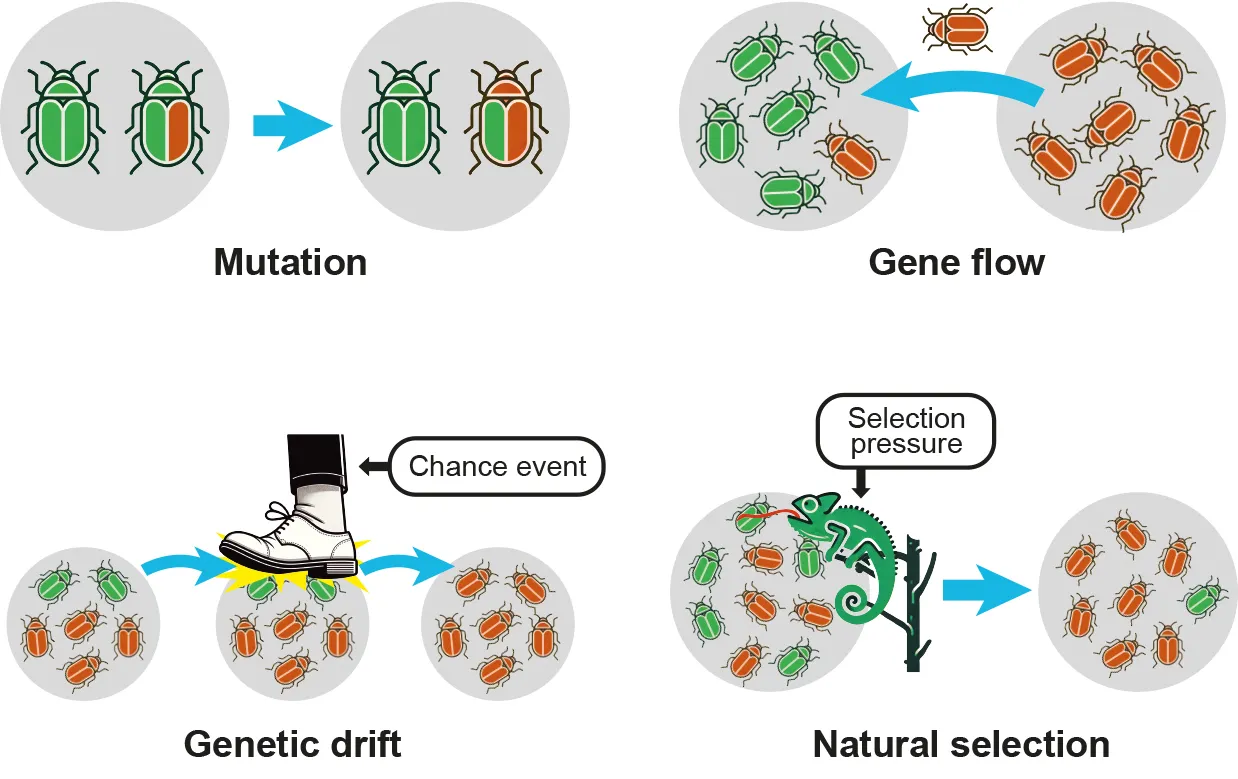
Evolution is a change in allele frequency in the gene pool
•
Mutation → Gene flow → Genetic drift (=chance event) → Natural selection (=selection pressure)
Types of selection


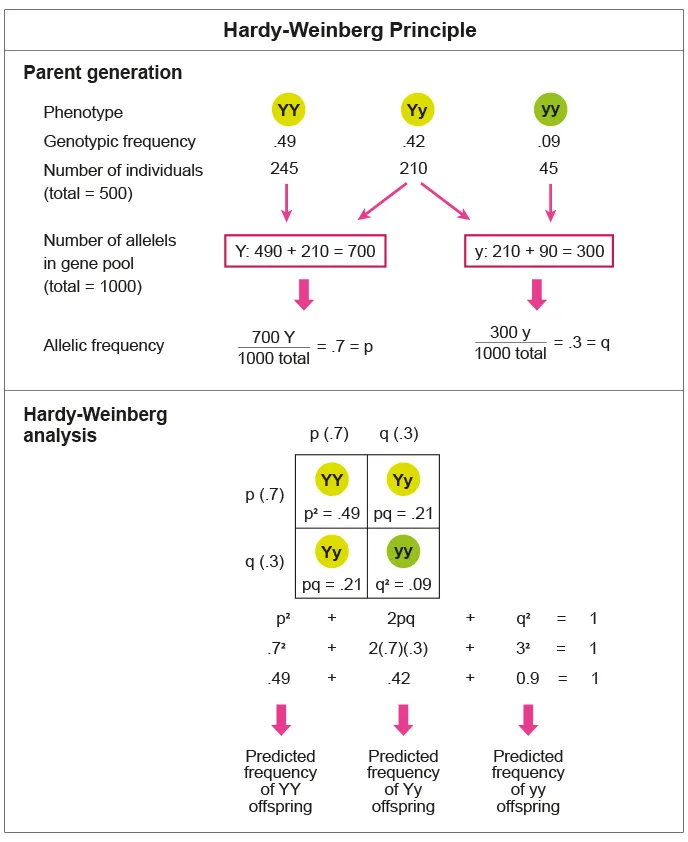
Hardy-Weinberg equation
p² + 2pq + q² = 1 | p: frequency of dominant allele
q: frequency of recessive allele
p²: frequency of homozygous dominant phenotype (AA)
q²: frequency of homozygous recessive phenotype (aa)
2pq: frequency of heterozygous phenotype (Aa) |
Applies to a non-evolving population at genetic equilibrium | 1. There are no mutations
2. Mating is random
3. There is no immigration or emigration
4. Population is large enough to prevent genetic drift |