
 Understanding points
B4.2.1 Ecological niche as the role of a species in an ecosystem
B4.2.2 Differences between organisms that are obligate anaerobes, facultative anaerobes and obligate aerobes
B4.2.3 Photosynthesis as the mode of nutrition in plants, algae and several groups of photosynthetic prokaryotes
B4.2.4 Holozoic nutrition in animals
B4.2.5 Mixotrophic nutrition in some protists
B4.2.6 Saprotrophic nutrition in some fungi and bacteria
B4.2.7 Diversity of nutrition in archaea
B4.2.8 Relationship between dentition and the diet of omnivorous and herbivorous representative members of the family Hominidae
B4.2.9 Adaptations of herbivores for feeding on plants and of plants for resisting herbivory
B4.2.10 Adaptations of predators for finding, catching and killing prey, and of prey animals for resisting predation
B4.2.11 Adaptations of plant form for harvesting light
B4.2.12 Fundamental and realized niches
B4.2.13 Competitive exclusion and the uniqueness of ecological niches |
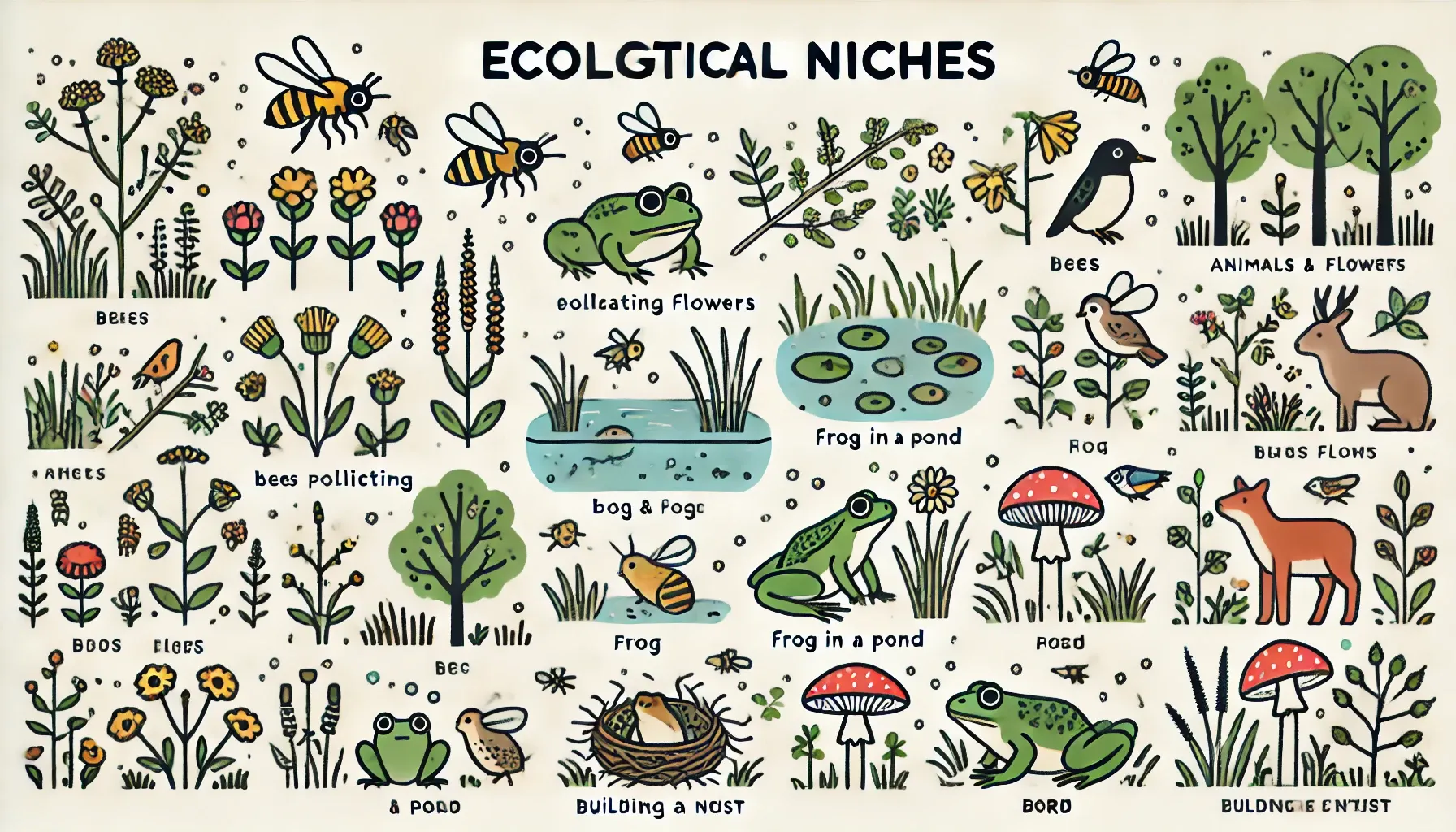
Ecological niche
The unique role of an organism in an ecosystem
•
Fundamental: the potential niche in the absence of competition
•
Realized: the actual niche due to competition
•
Competitive exclusion: when the fundamental niches of two species overlap, one species outcompetes the other


Types of respiration
Obligate aerobes | Requires oxygen at all times for aerobic respiration | Plants
Animals |
Obligate anaerobes | Requires anoxic conditions as oxygen is harmful | C. tetani
Methanogenic archaea |
Facultative anaerobes | Normally respire aerobically but can switch to anaerobic respiration when oxygen is absent | E. coli
Yeast |


Types of nutrition
Holozoic | In animals, food is consumed then internally digested
Ingestion → Digestion → Absorption → Assimilation → Egestion |
Mixotrophic | Organisms that are not exclusively autotrophic or heterotrophic
Facultative: can be entirely one mode or the other or both
Obligate: always carry out both modes |
Saprotrophic | Fungi externally digest decaying organic matter then absorb it |
Photosynthetic | Energy from sunlight is used to fix CO₂ into organic compounds
Plants, cyanobacteria, algae |


Archaea
•
Unicellular organisms adapted to extreme environments
•
Diverse modes of nutrition: chemoautotroph, photoheterotroph, chemoheterotroph
Adaptations and defenses
Herbivores | Beetles: tough mandibles for chewing
Butterflies: long mouthparts for nectar | Plants | Thorns, stings
Toxic secondary metabolites |
Predators | Sharp canines, venom, echolocation | Prey | Hard shells, camouflage, schooling (fish) |
Plant adaptations for light
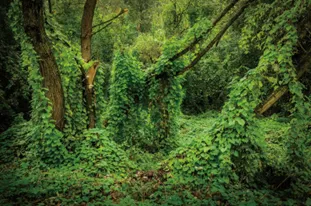
Lianas
Woody vines that climb other trees and use them for support
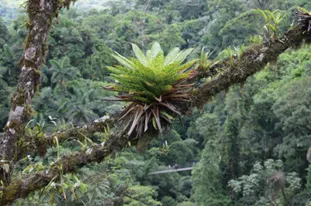
Epiphytes
Grow on the branches of trees
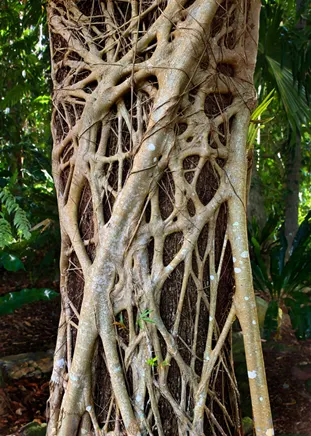
Strangler epiphytes
Climb up trees by encircling them with a network of stems