

 Understanding points
D2.1.1 Generation of new cells in living organisms by cell division
D2.1.2 Cytokinesis as splitting of cytoplasm in a parent cell between daughter cells
D2.1.3 Equal and unequal cytokinesis
D2.1.4 Roles of mitosis and meiosis in eukaryotes
D2.1.5 DNA replication as a prerequisite for both mitosis and meiosis
D2.1.6 Condensation and movement of chromosomes as shared features of mitosis and meiosis
D2.1.7 Phases of mitosis
D2.1.8 Identification of phases of mitosis
D2.1.9 Meiosis as a reduction division
D2.1.10 Down syndrome and non-disjunction
D2.1.11 Meiosis as a source of variation
D2.1.12 Cell proliferation for growth, cell replacement and tissue repair (HL only)
D2.1.13 Phases of the cell cycle (HL only)
D2.1.14 Cell growth during interphase (HL only)
D2.1.15 Control of the cell cycle using cyclins (HL only)
D2.1.16 Consequences of mutations in genes that control the cell cycle (HL only)
D2.1.17 Differences between tumours in rates of cell division and growth, and in the capacity for metastasis and invasion of neighbouring tissue (HL only) |
*(AHL) Cell Cycle
•
Interphase → Mitosis [prophase → metaphase → anaphase → telophase] → Cytokinesis

Interphase
*(AHL) DNA replication & cell growth
G1: Mitochondria and chloroplasts grow and divide
S: DNA replication
G2: Further growth in preparation for mitosis
Mitosis
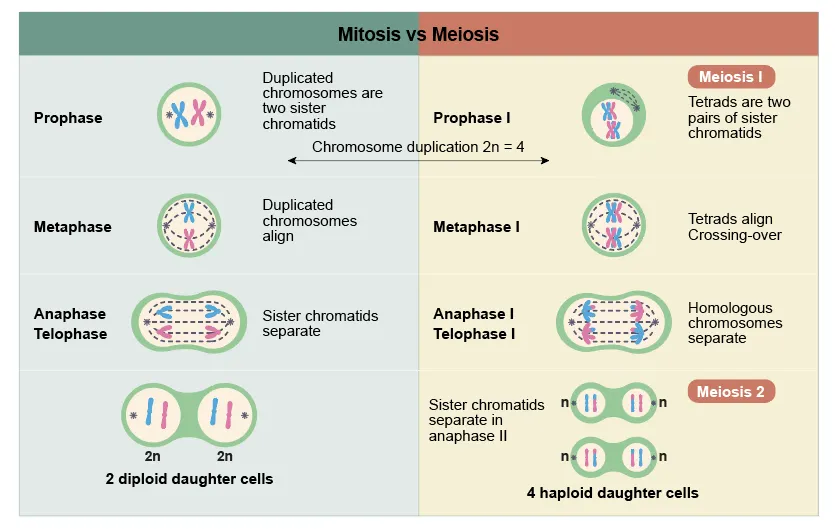
Division of the diploid cell (2n) into two genetically identical diploid daughter cells
*(AHL) Function: growth, production of body cells, tissue repair
Prophase
•
Chromatin condenses/supercoils into chromosome
•
Spindle fibres grow, nuclear envelope breaks down
Metaphase
•
Chromosomes align at equator
•
Spindle fibre attaches to the chromosomes
Anaphase
•
Two separate chromatids are pulled to opposite poles
Telophase
•
Spindle fibres disappear
•
Nuclear envelope reforms, chromosomes decondense
Cytokinesis
Animals:
•
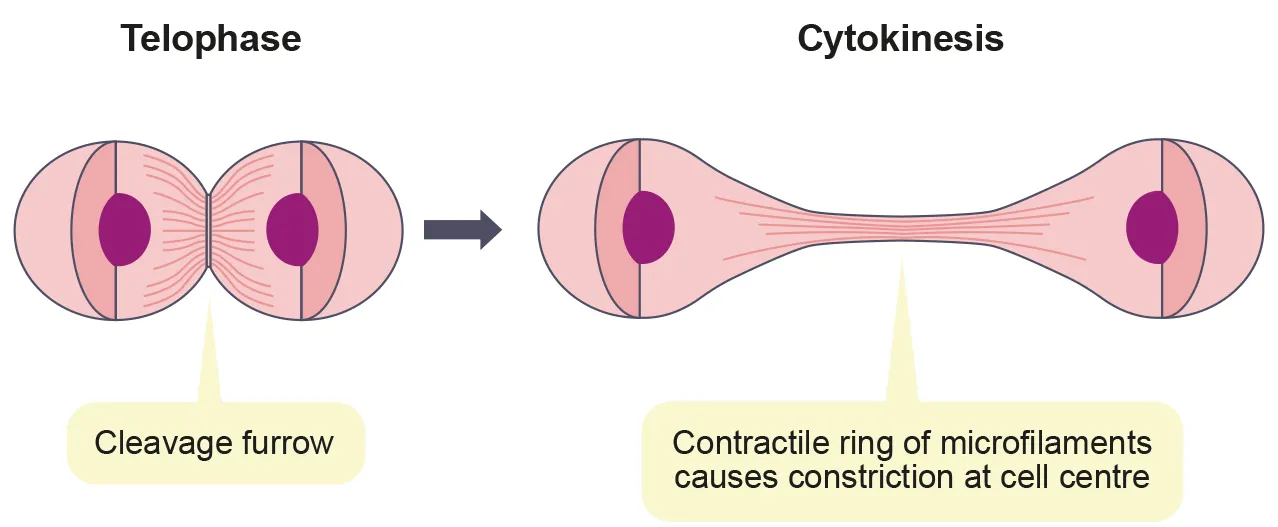
Cleavage furrow forms at the equator: contractile proteins actin and myosin
•
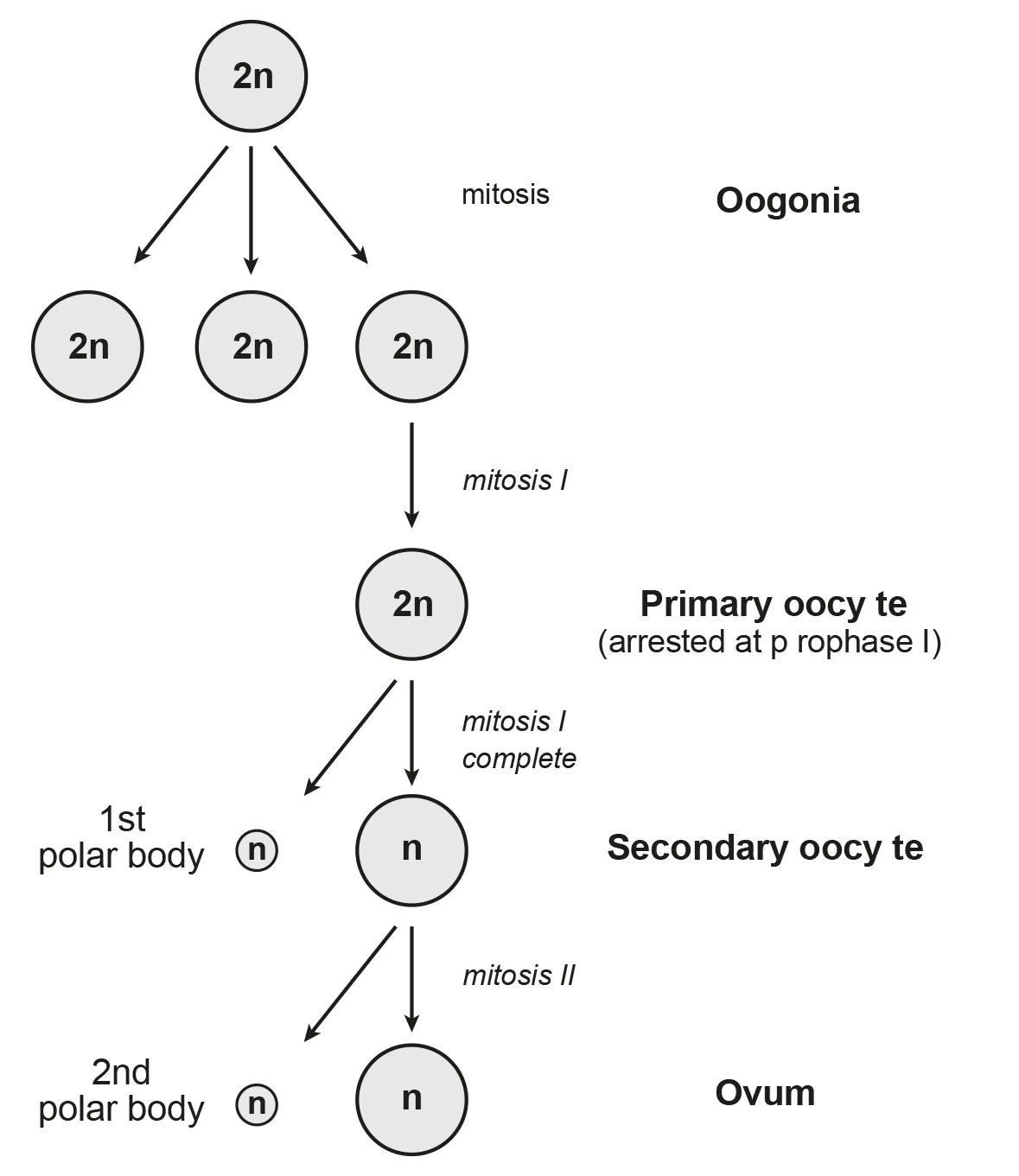
Oogenesis involves unequal cytokinesis that produces polar bodies
Plants:
•
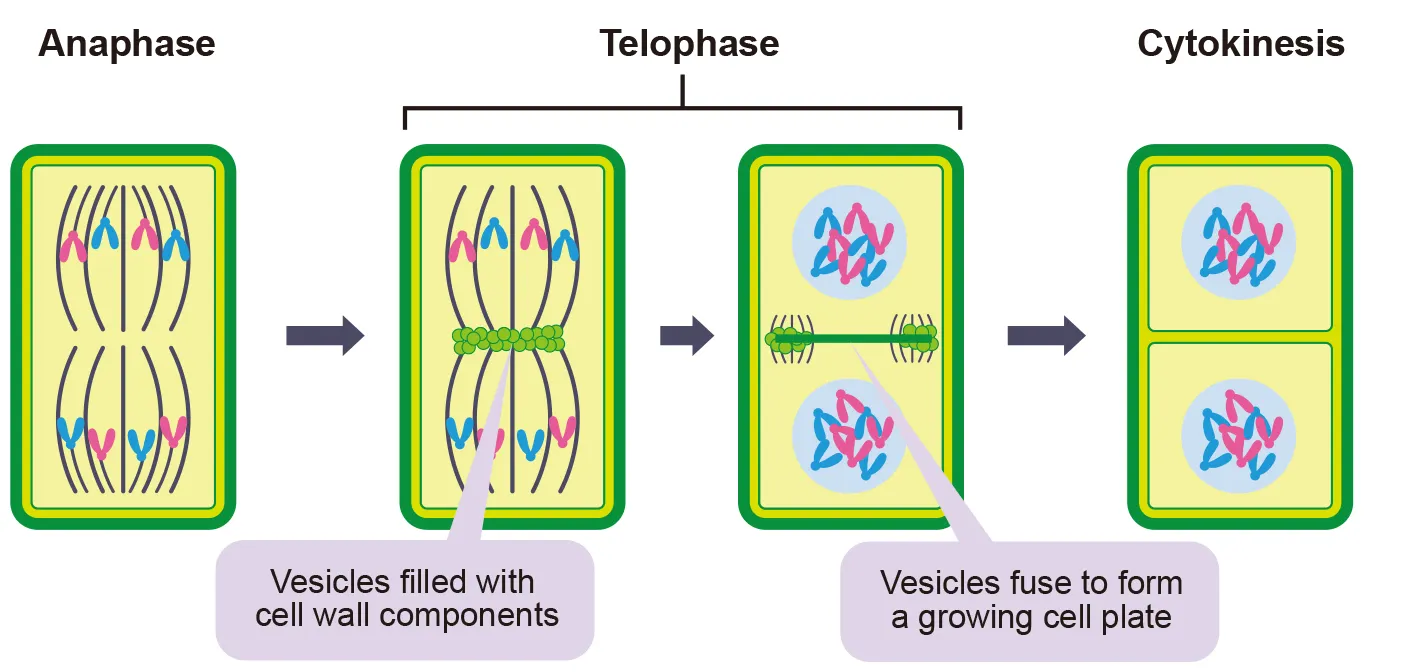
Vesicles line up at the equator and merge to form a continuous wall which becomes the plasma membrane, then carry cellulose and release it to the extracellular space via exocytosis


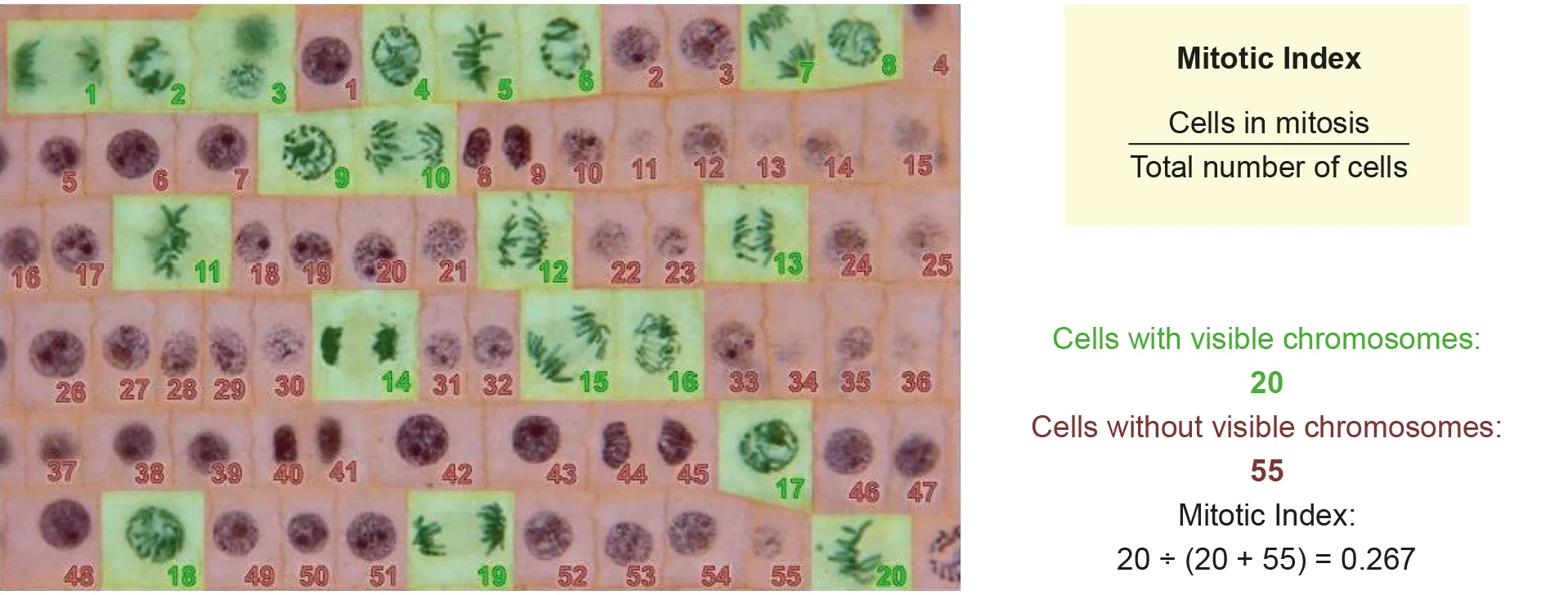
Mitotic index
•
The ratio of the number of cells in mitosis and the total number of cells
Meiosis
•
Generates genetic variation
Prophase I
1. Pairing of homologous chromosomes: form a bivalent that share the same structural features, genes, and loci
2. Crossing over: exchange of DNA segment between homologous chromosomes
•
Chromatids break and exchange alleles by forming an X structure
•
The location of the cross over is called a chiasma and holds the chromosomes together until anaphase

Metaphase I
Random assortment: the orientation of pairs of homologous chromosomes is random, as is the subsequent assortment of chromosomes into gametes

Mitosis vs Meiosis
Down syndrome
•
Trisomy 21 (47 chromosomes)
•
Nondisjunction: incorrect attachment, chromosomes fail to separate
◦
Occurs during gamete formation, more common in oogenesis
◦
Failure of homologous to separate during Anaphase I → 4 affected
◦
Failure of sister chromatids to separate during Anaphase II → 2 affected


*(AHL) Cell cycle control
Genes
Proto-oncogenes: normally promote the cell cycle
•
Mutations convert them into oncogenes, which lead to tumors
Tumor-suppressor genes: normally prevent uncontrolled cell division
•
Mutations lead to cancer
Proteins
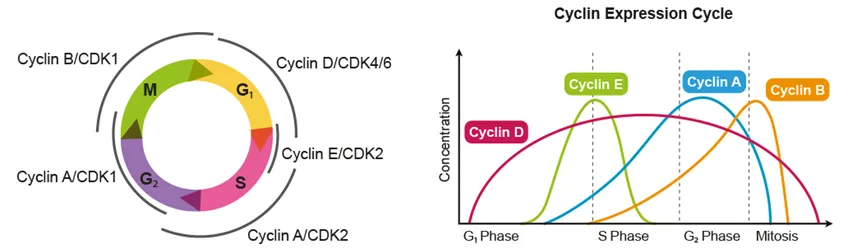
The levels of 4 different cyclins fluctuate depending on the stage of the cell cycle
Cyclin binding to cyclin-dependent kinase (CDK) activates them to phosphorylate other cell cycle proteins
*(AHL) Tumors
•
Arise from uncontrolled cell division
•
Benign: slow growth, do not spread, not dangerous
•
Malignant: aggressive growth, move to distant parts of the body (metastasis), cancerous