

Topics
Gallery
Search
 Understanding points
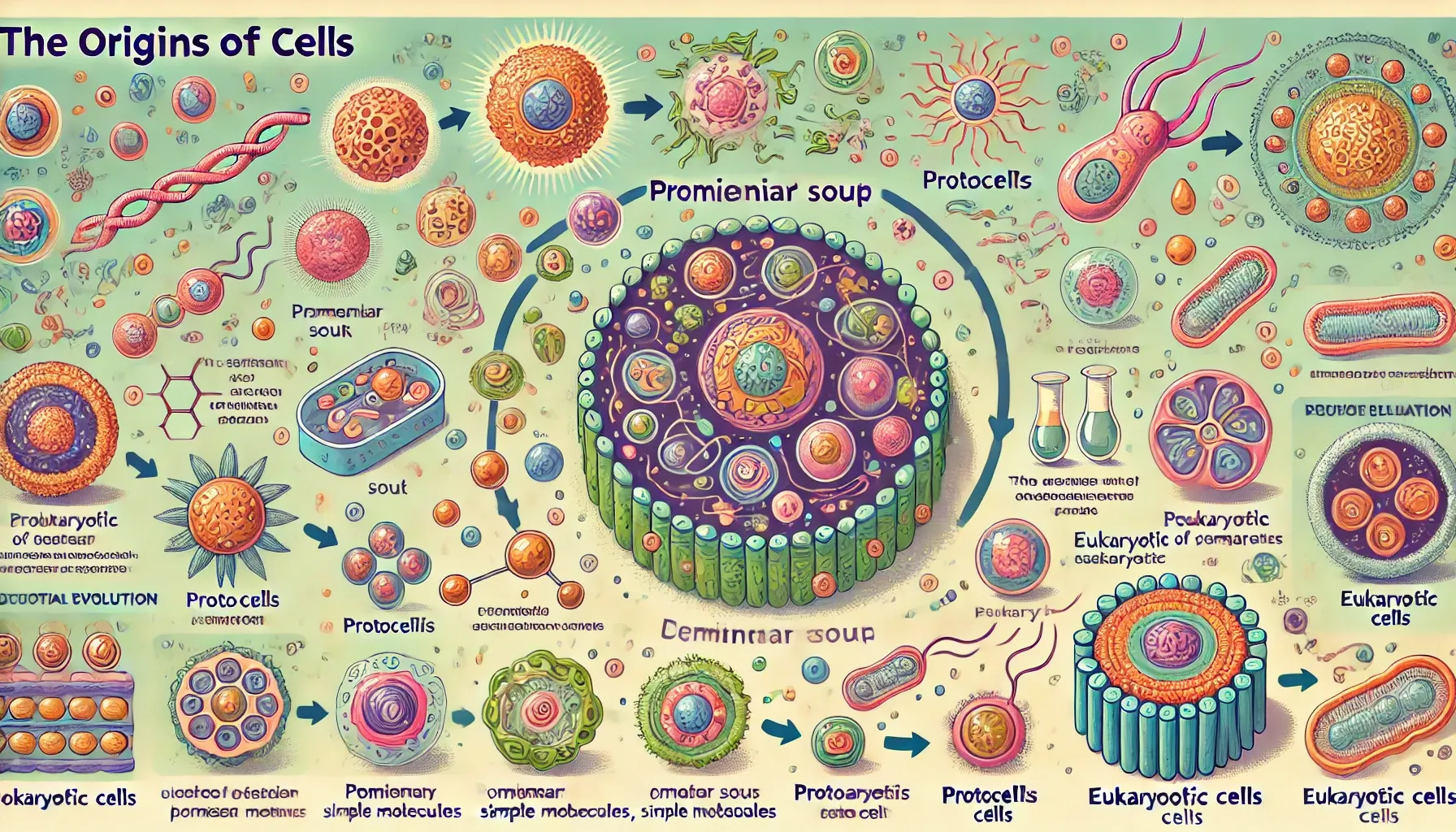
Early Earth conditions
•
High CH₄ and CO₂ concentrations due to volcanic activities and meteorite bombardment → more greenhouse gasses → higher temperatures
•
UV penetration to Earth’s surface due to lack of ozone layer and frequent lightning → triggered various chemical reactions
•
Miller-Urey Experiment: mimicked early Earth conditions to show the synthesis of organic carbon compounds from inorganic gasses that represent the pre-biotic atmosphere
A2.1 Origins of cells
Understanding points
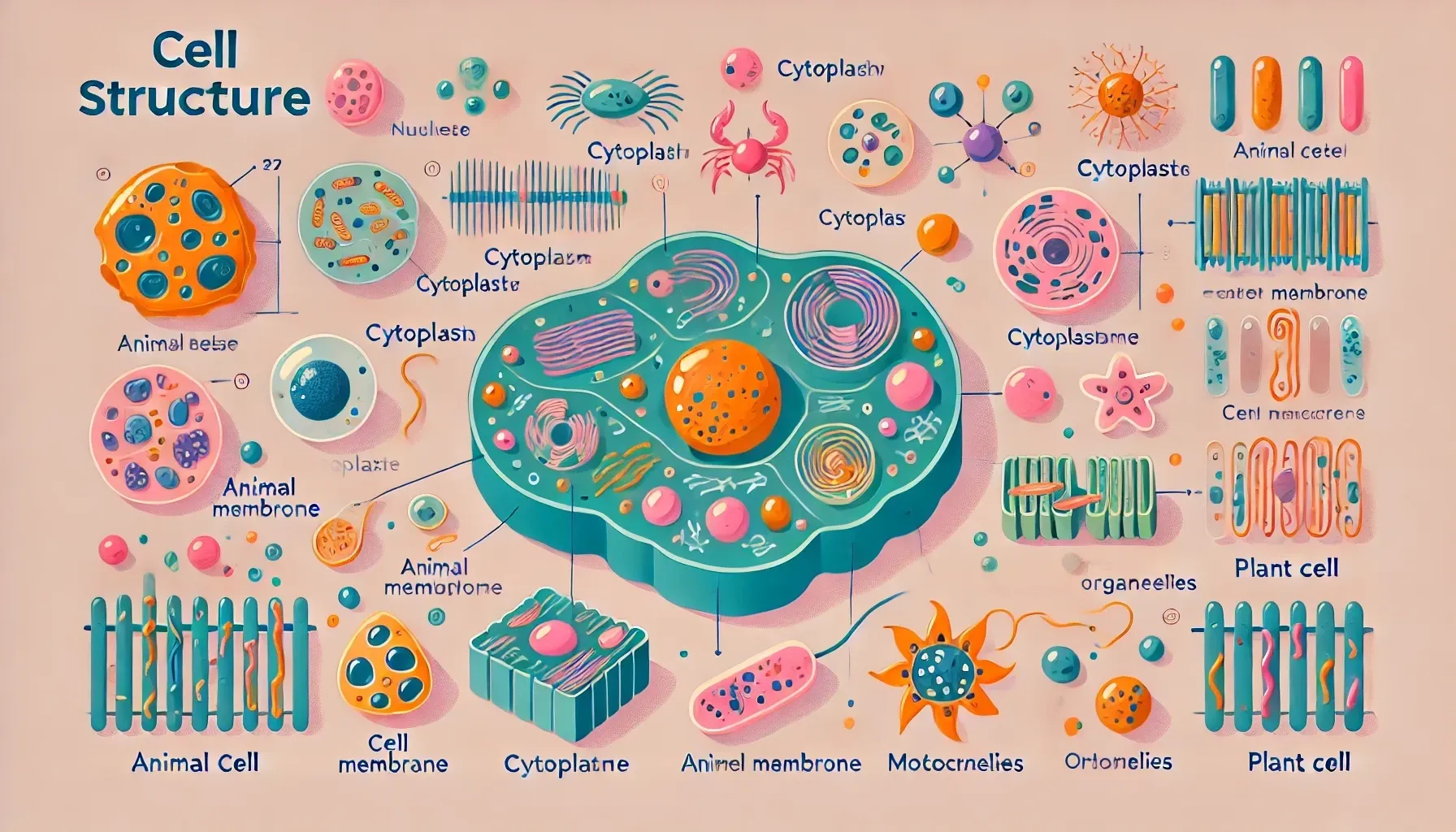
Cell theory
1.
All living things are composed of cells
2.
Cells can only be formed by division of pre-existing cells
3.
Cell is the basic unit of all “Living things”
A2.2 Cell structure
Understanding points
Virus
•
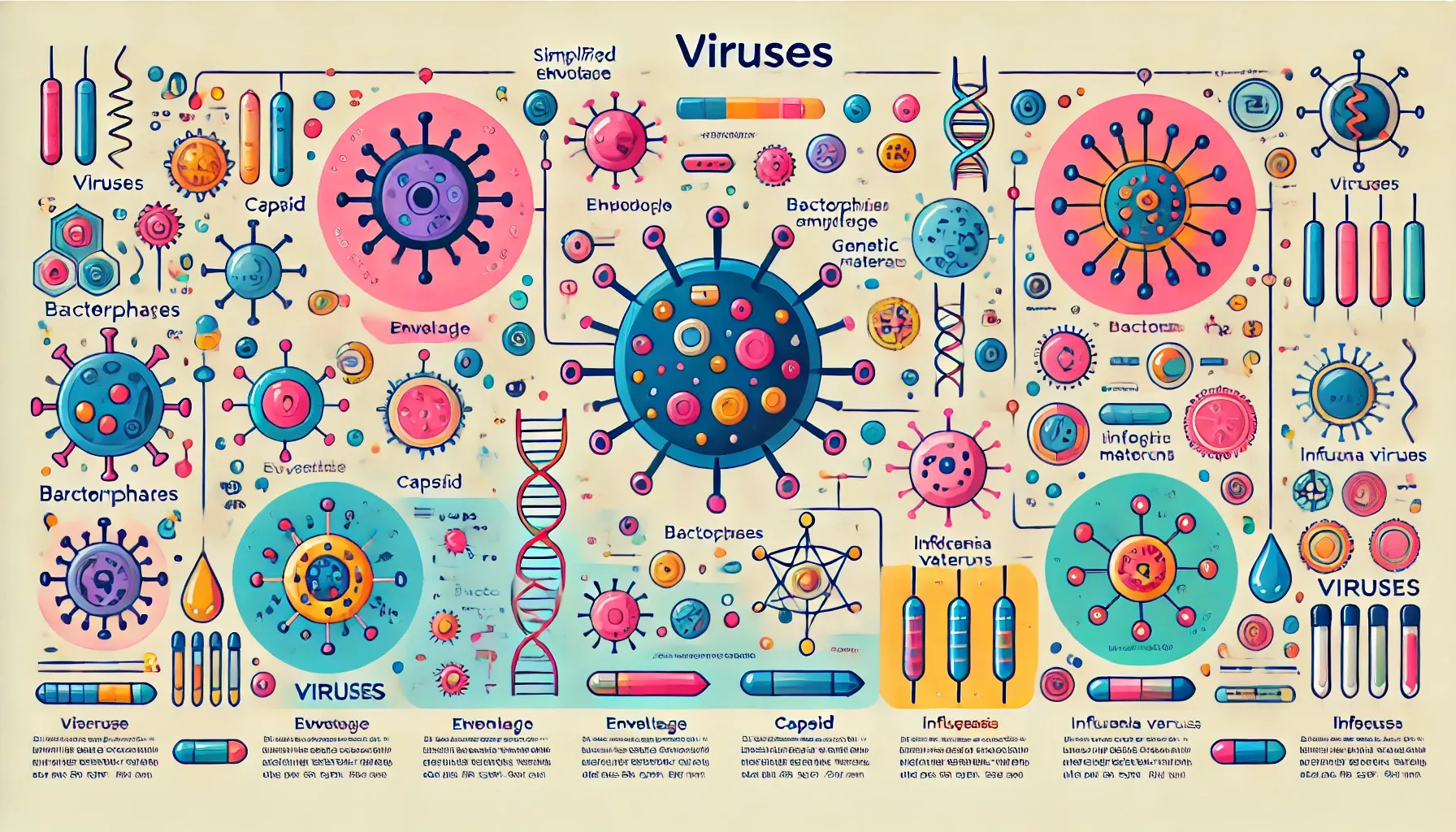
Virus: non-living agents that infect host cells to reproduce inside them
•
Small and fixed size
•
Contains nucleic acid as genetic material
A2.3 Viruses
Understanding points
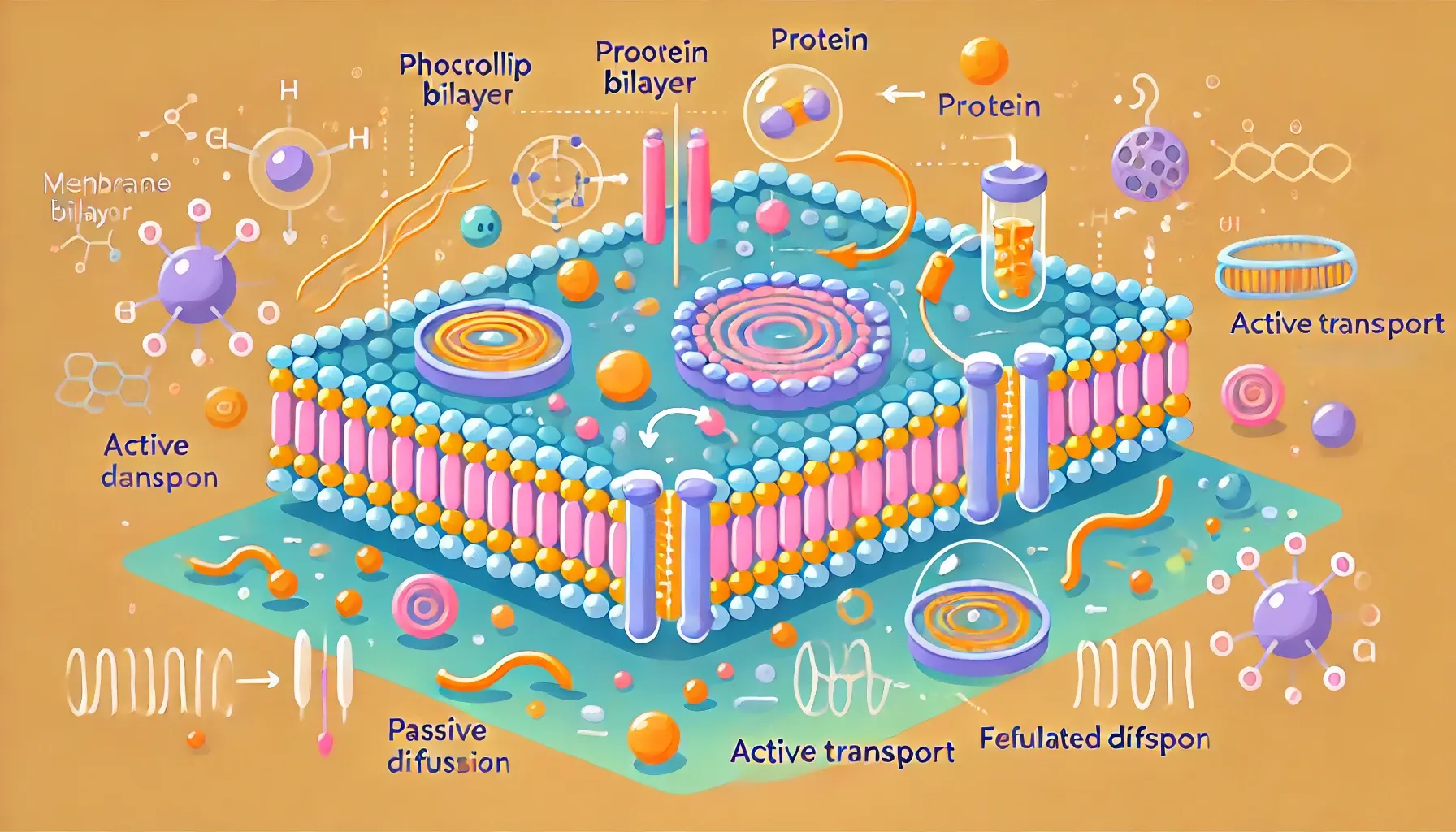
Phospholipid bilayer
•
Phospholipids have hydrophilic and hydrophobic regions
•
Hydrophilic heads are attracted to water → face watery environment
•
Hydrophobic tails are repelled by water → arrange themselves inwards
B2.1 Membranes and membrane transport
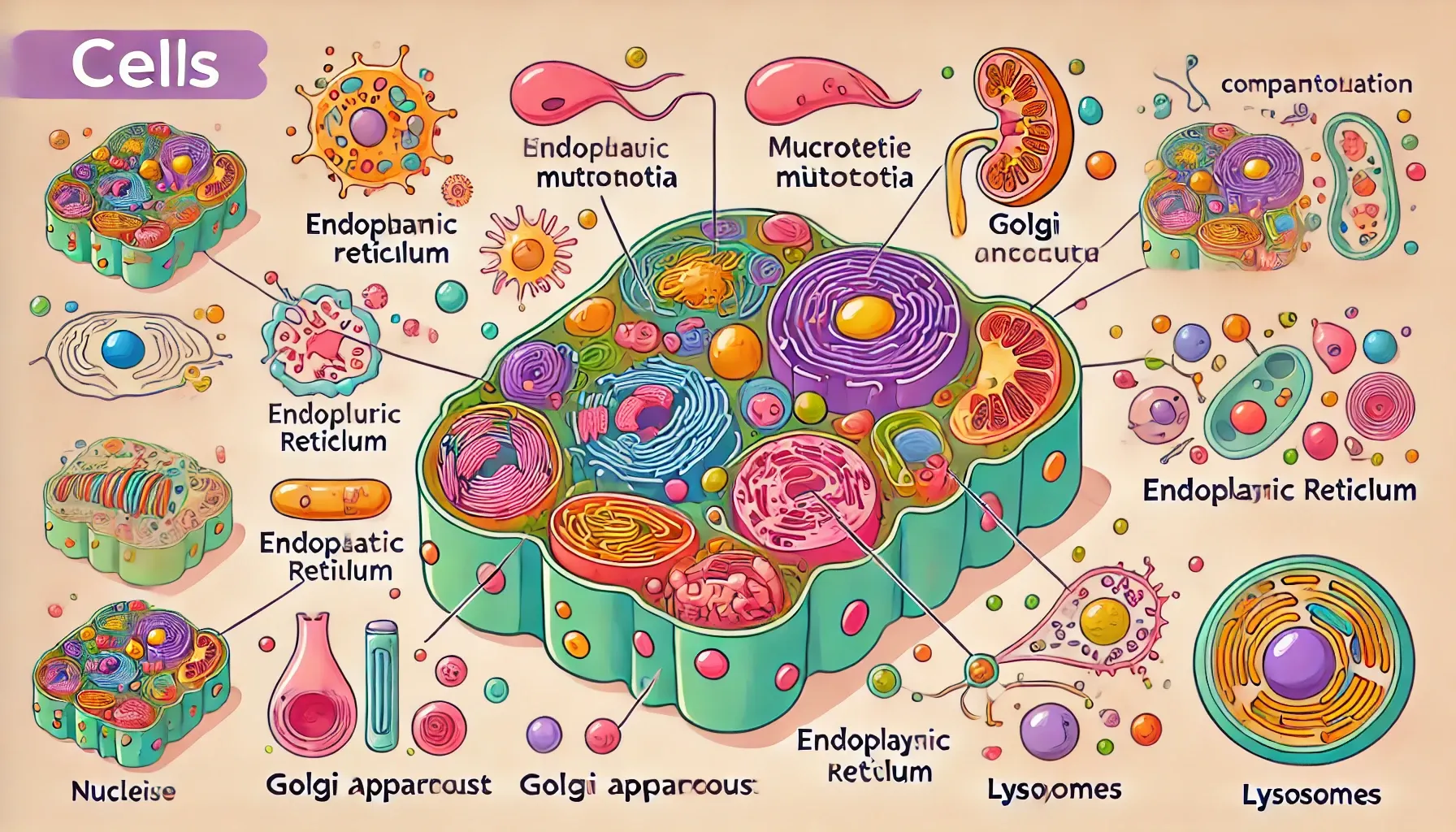
Understanding points
Advantage of nucleus
•
Separation and control of transcription and translation
•
*(AHL) double membrane
B2.2 Organelles and compartmentalization
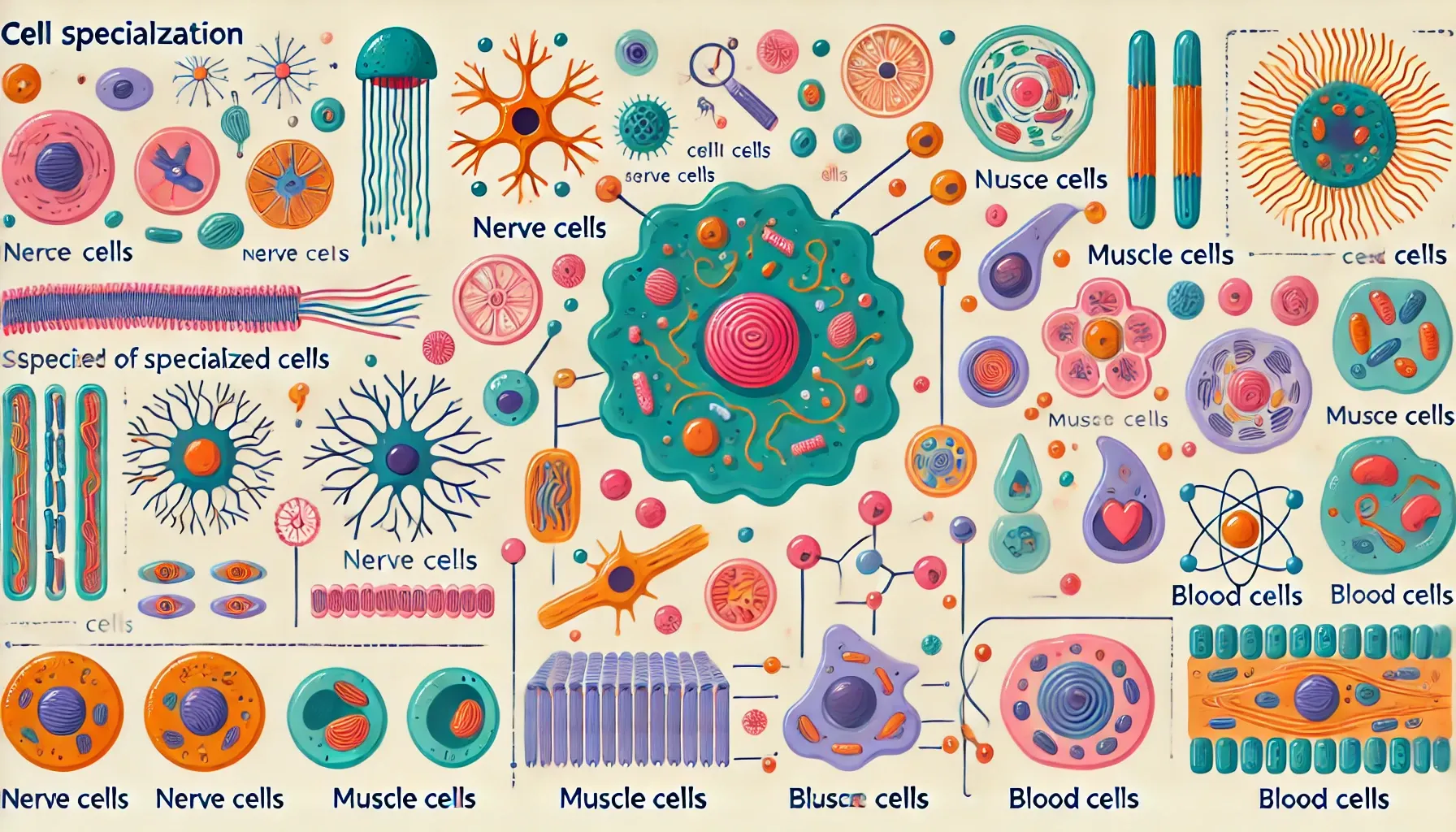
Understanding points
Differentiation
•
Involves the expression of some genes and not others in a cell’s genome
•
Specialised tissues can develop by cell differentiation in multicellular organisms
Stem cells
B2.3 Cell specialization
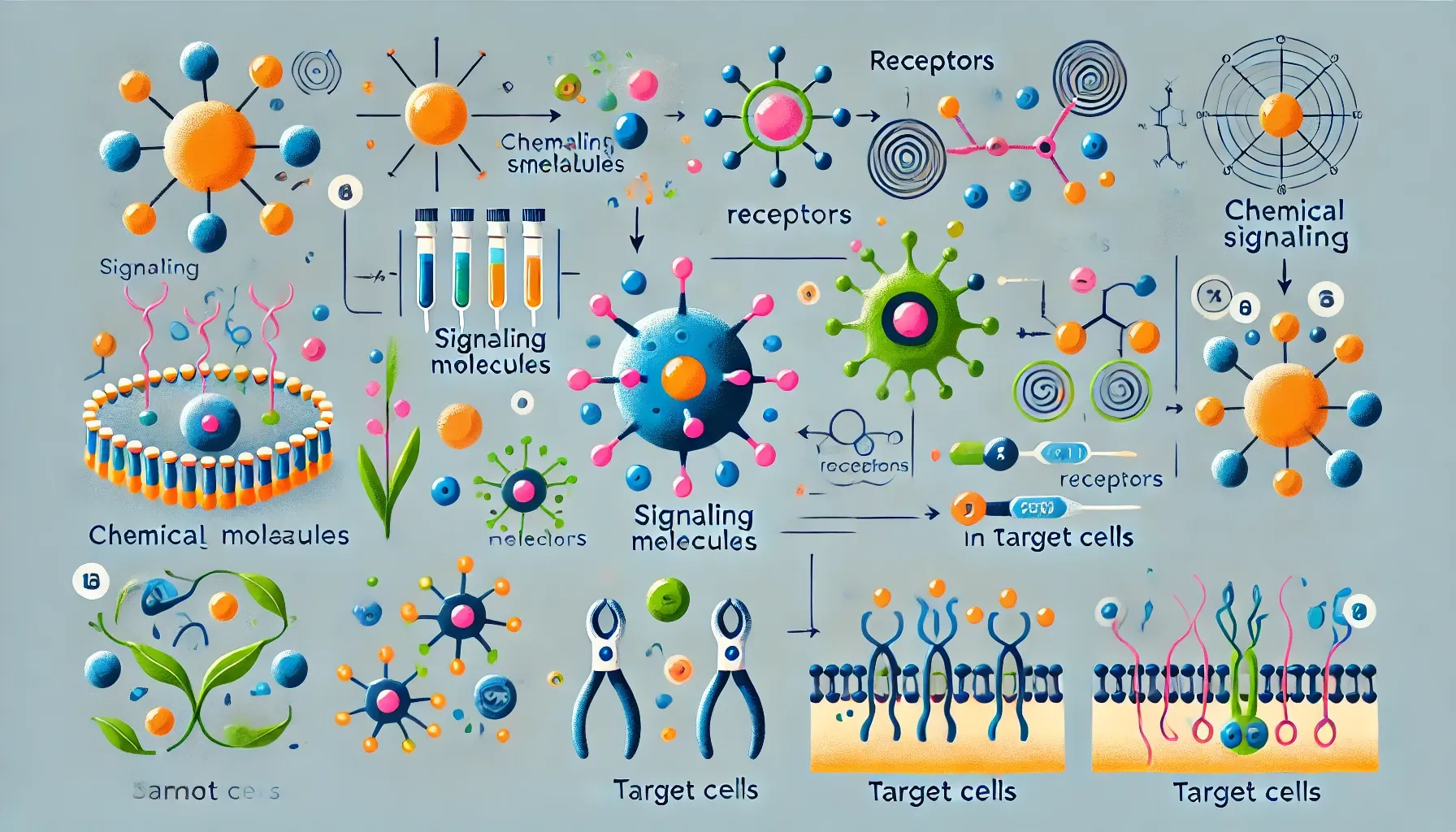
Understanding points
Receptors
•
Signals can be chemical or electrical
•
Ligand: a molecule that binds specifically to a site on a receptor
•
Receptor: a molecule that binds with ligands to convey signals that affect cellular activity
C2.1 Chemical signaling
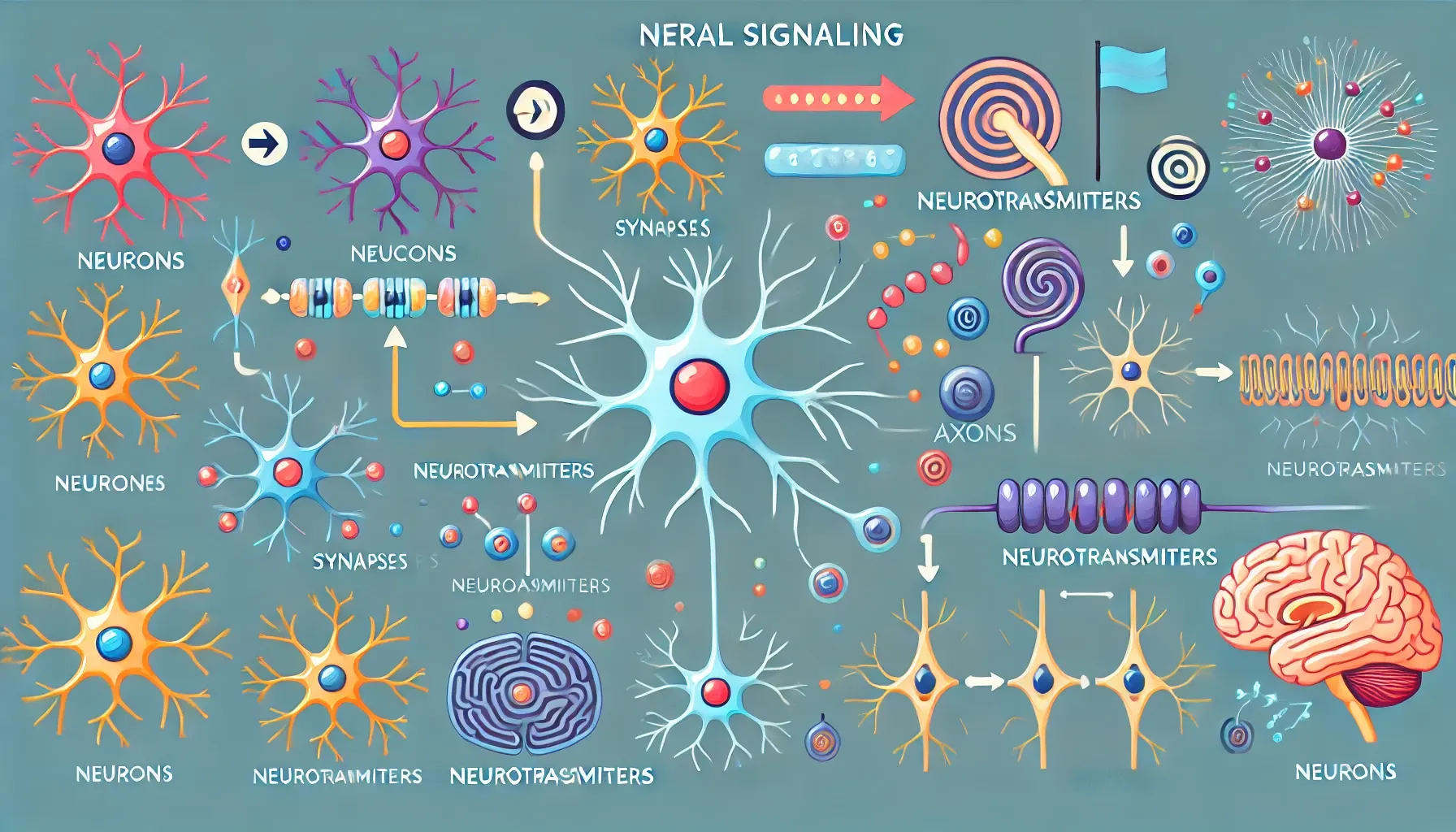
Understanding points
Neuron
•
Cells of the nervous system
•
The speed of nerve impulse transmission is increased by:
C2.2 Neural signaling
Understanding points
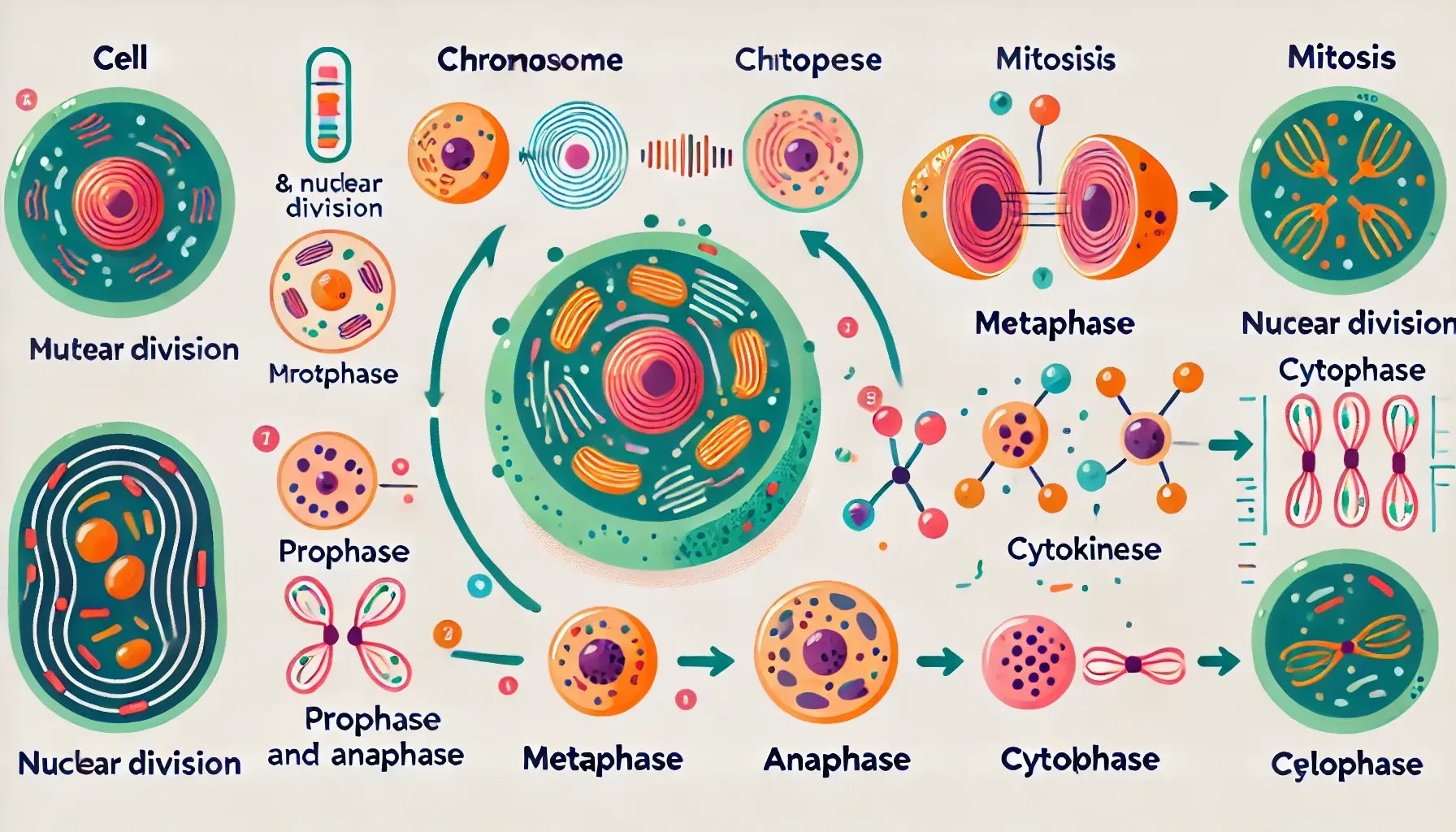
*(AHL) Cell Cycle
•
Interphase → Mitosis [prophase → metaphase → anaphase → telophase] → Cytokinesis

D2.1 Cell and nuclear division
Understanding points
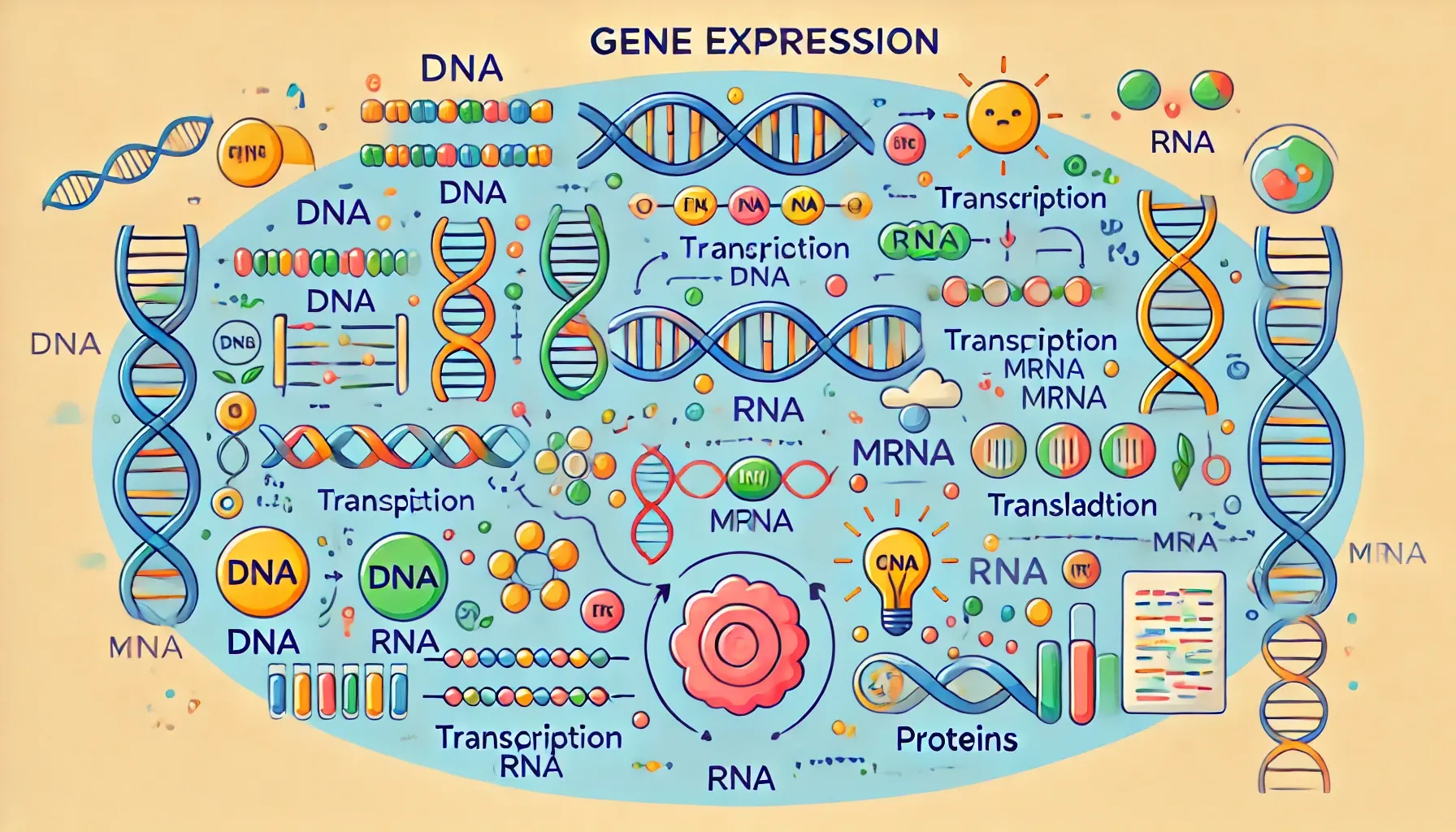
Gene expression
•
Process of turning genotype into phenotype
•
The pattern of gene expression determines that cell’s route of differentiation
D2.2 Gene expression
Understanding points
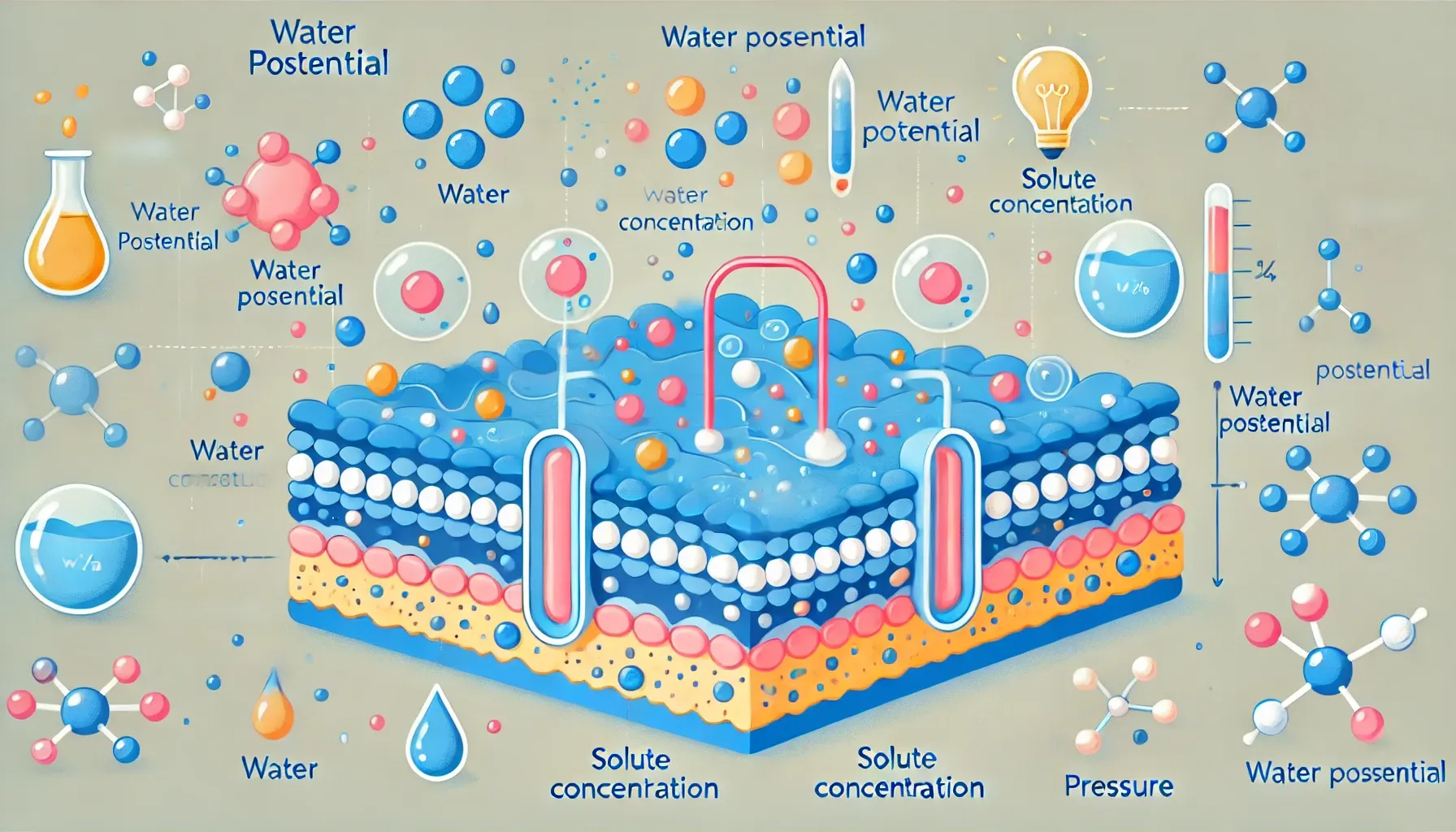
Solvation
•
The process of dissolving
•
Solvent: liquids that dissolve other substances
•
Solute: dissolved substances in solutions
D2.3 Water potential