
 Understanding points
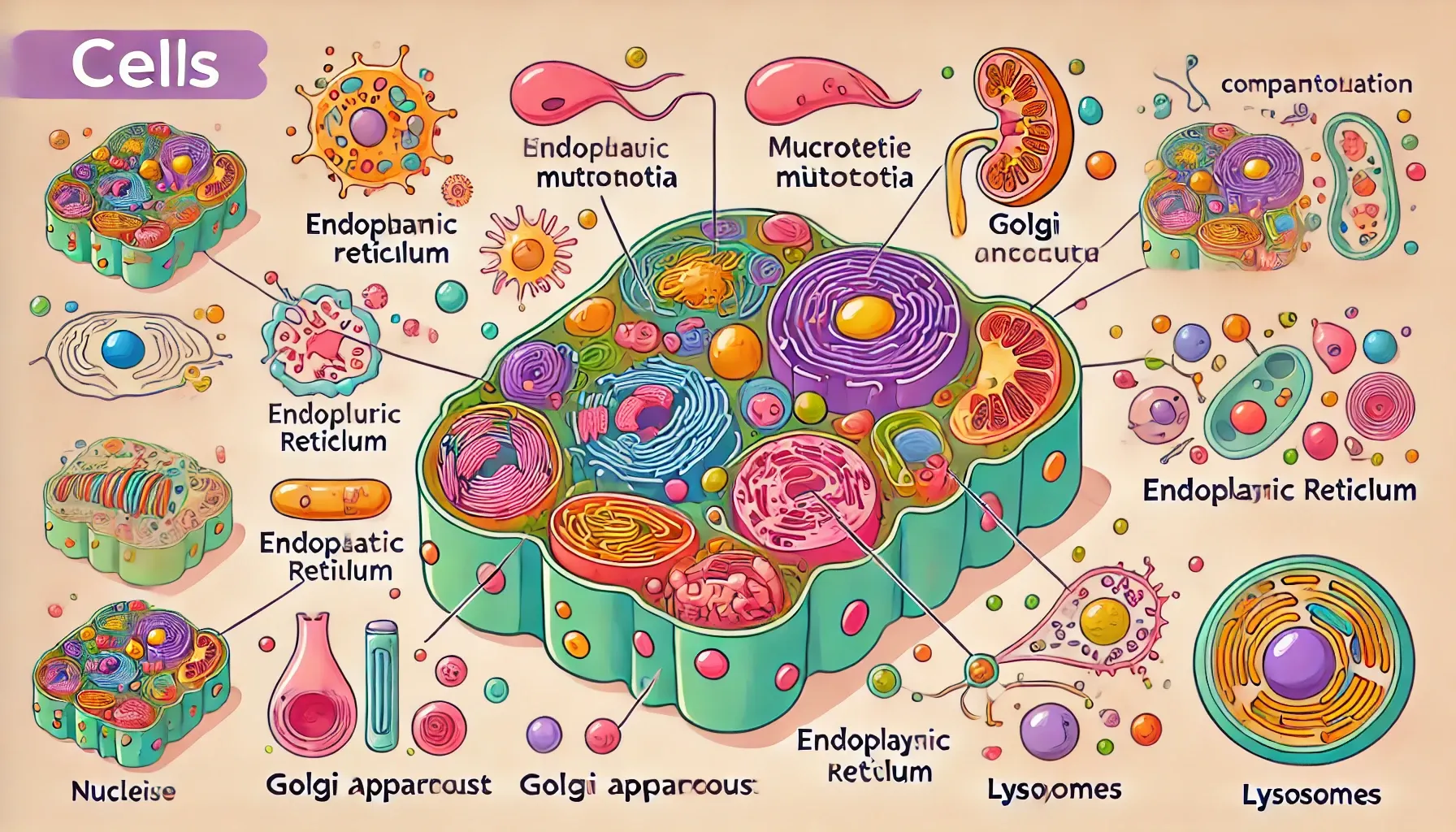
B2.2.1 Organelles as discrete subunits of cells that are adapted to perform specific functions
B2.2.2 Advantage of the separation of the nucleus and cytoplasm into separate compartments
B2.2.3 Advantages of compartmentalization in the cytoplasm of cells
B2.2.4 Adaptations of the mitochondrion for production of ATP by aerobic cell respiration (HL only)
B2.2.5 Adaptations of the chloroplast for photosynthesis (HL only)
B2.2.6 Functional benefits of the double membrane of the nucleus (HL only)
B2.2.7 Structure and function of free ribosomes and of the rough endoplasmic reticulum (HL only)
B2.2.8 Structure and function of the Golgi apparatus (HL only)
B2.2.9 Structure and function of vesicles in cells (HL only) |
Advantage of nucleus
•
Separation and control of transcription and translation
•
*(AHL) double membrane
◦
Contains pores for RNA transport
◦
Easily dismantled and reconstructed during cell division
Advantage of compartmentalization
1.
Concentrated enzymes and substrates → speed up catalysis
2.
Maintenance of ideal pH → speed up catalysis
3.
Separation of incompatible biochemical processes: e.g. lysosomes
*(AHL)
Mitochondria and chloroplast
Mitochondria | Chloroplast |
Function: cell respiration | Function: photosynthesis |
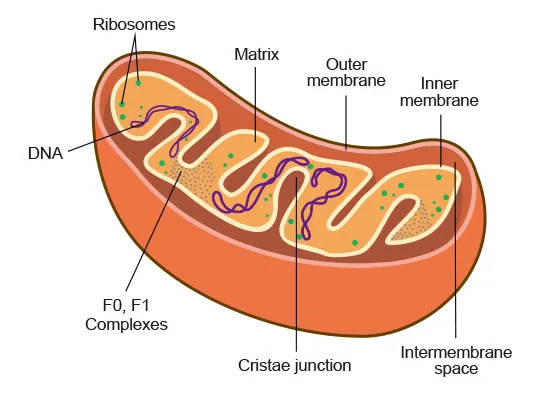
Mitochondria
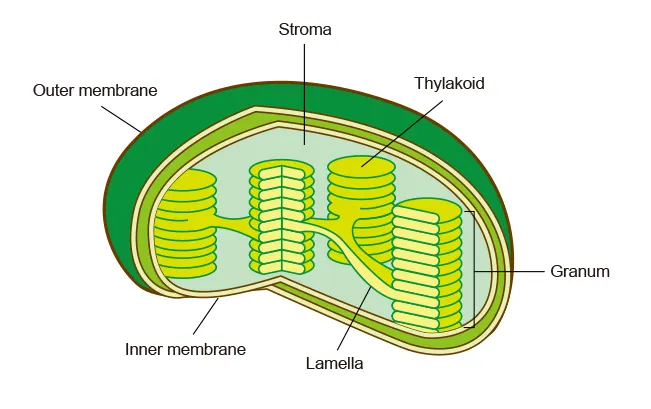
Chloroplast




Rough ER and Golgi apparatus
Rough ER | Golgi apparatus |
Free ribosomes: make proteins for cytoplasm
rER ribosomes: make proteins for other organelles | Modify polypeptides from the rER |
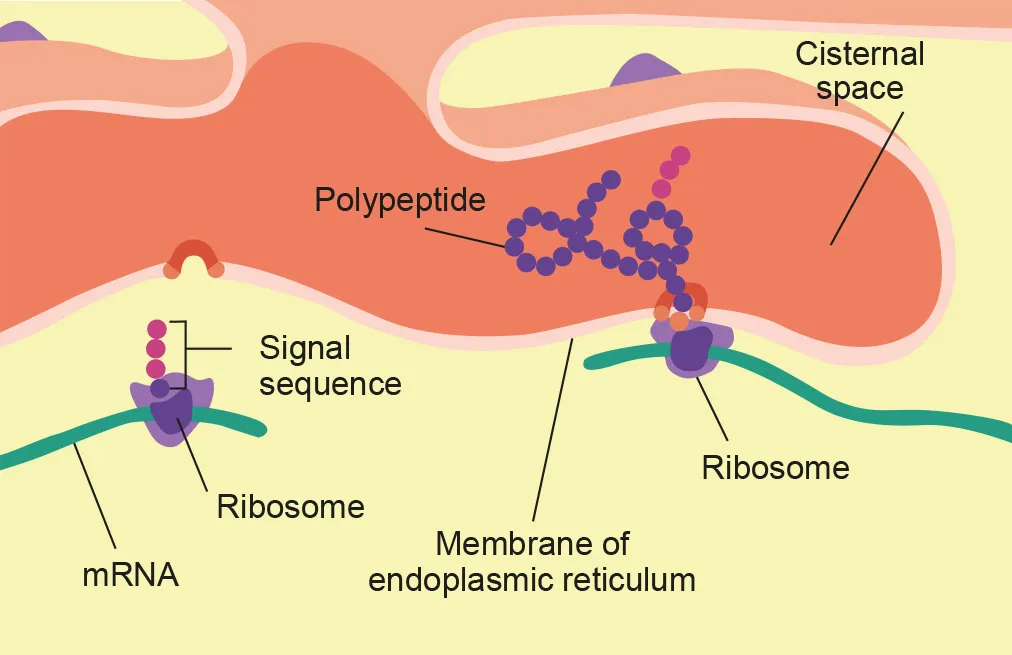
Rough endoplasmic reticulum
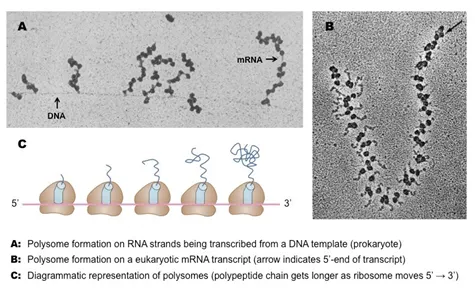
Polysomes
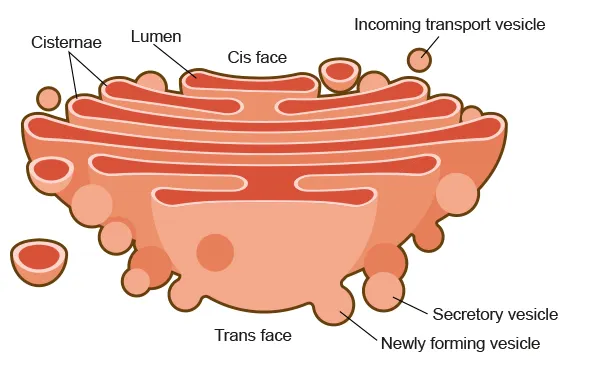
Golgi apparatus


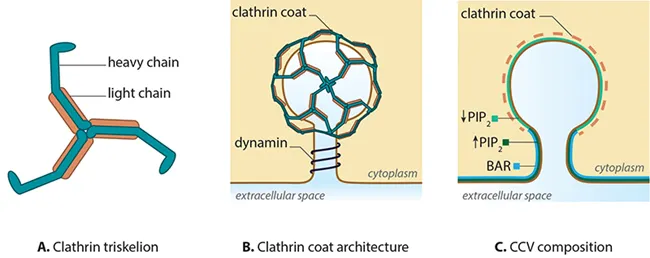
Clathrin-coated vesicles
•
Clathrin: 3-legged protein that assembles to form a spherical cage around a piece of membrane