

갤러리 보기
Search
 Understanding points
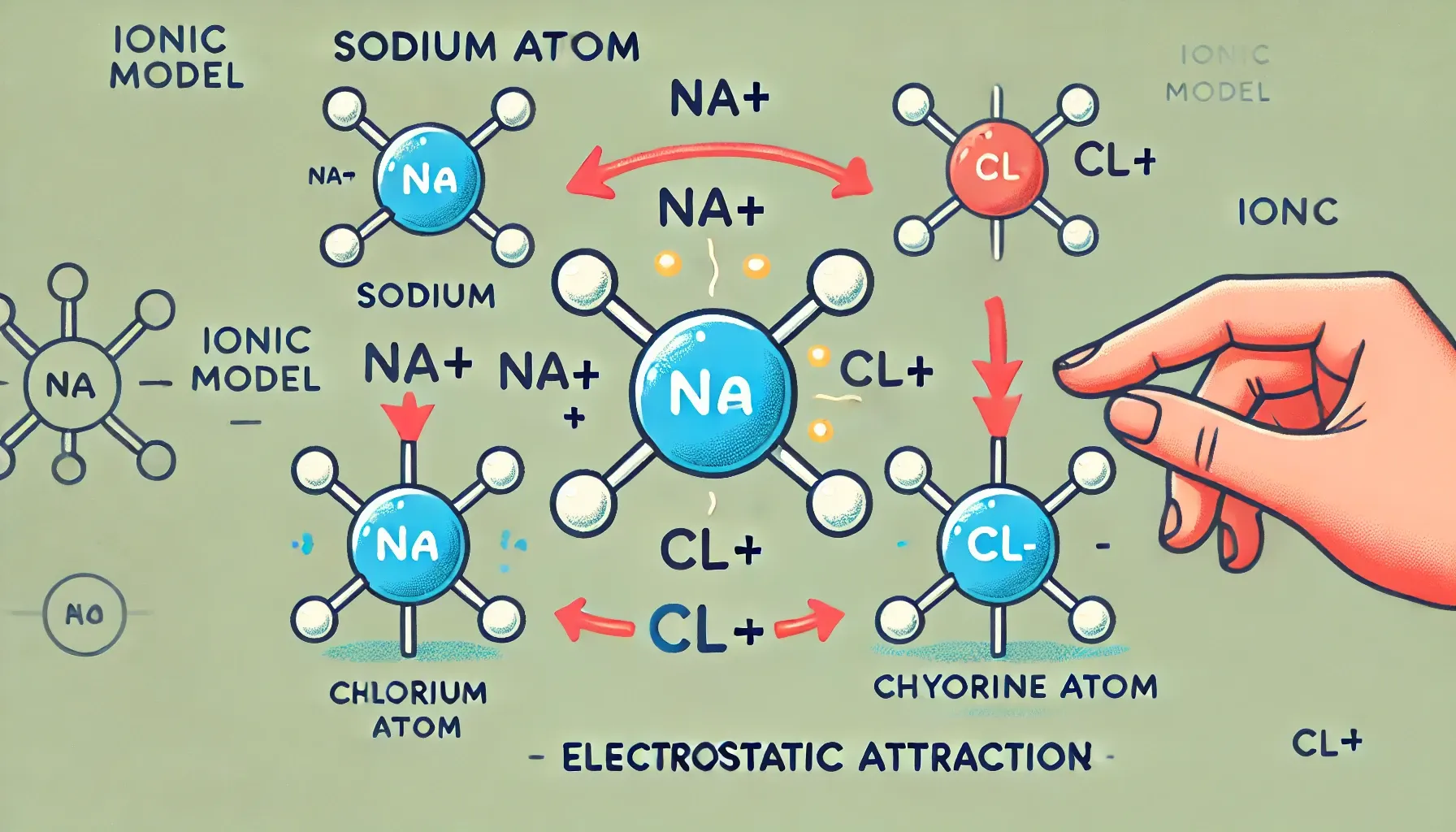
Ionic bond
•
Transfer of electron(s) from a metal to a non-metal and the resulting electrostatic attraction between oppositely charged ions
•
Metals lose valence electrons to form positive ions (cations)
•
Non-metals gain electrons to form negative ions (anions)
2.1 The ionic model
Understanding points
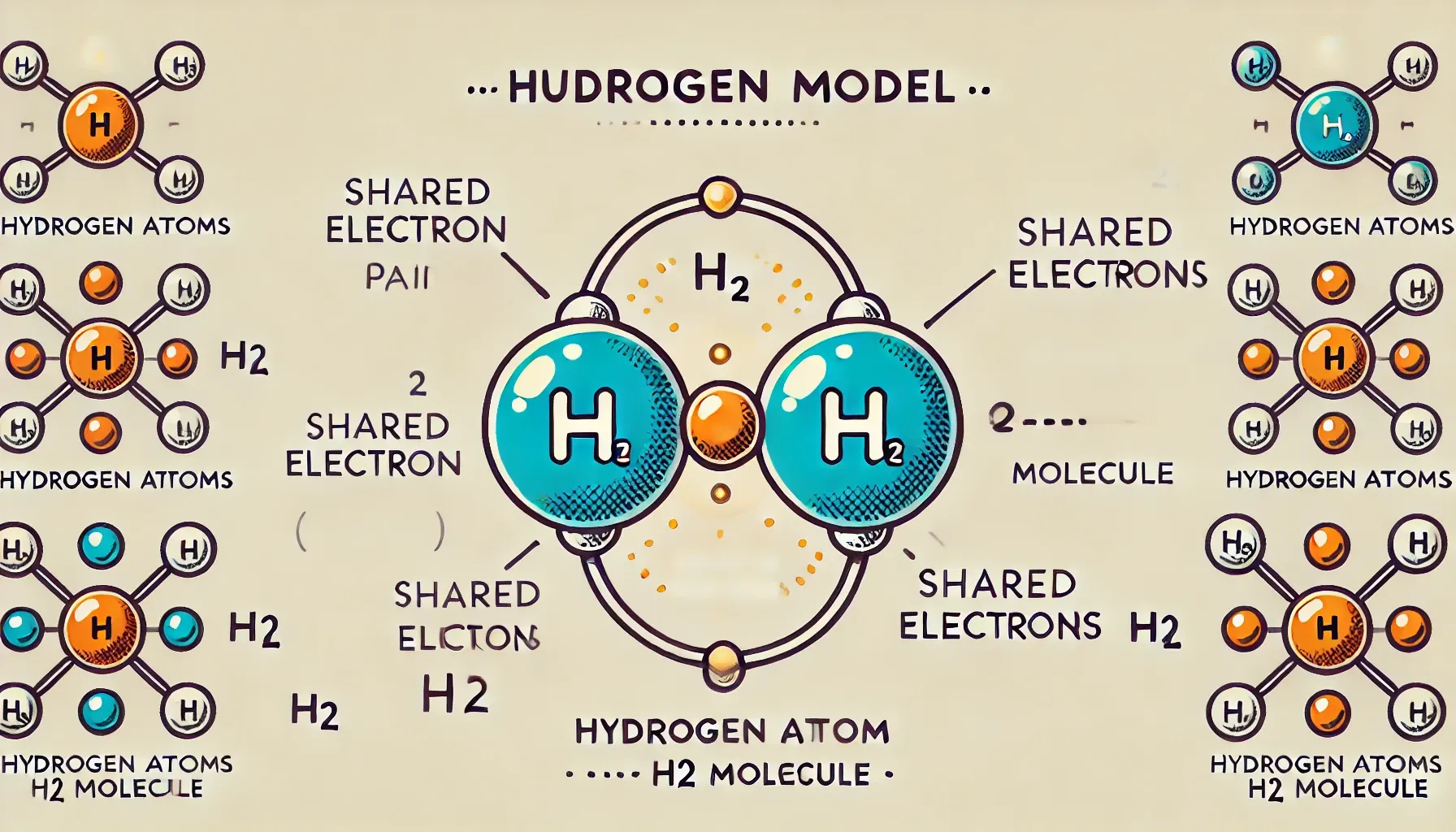
Covalent bond
•
Sharing of electron pair(s) between two atoms and resulting electrostatic attraction between (-ve) shared electron pair(s) and (+ve) two bonding nuclei
2.2 The covalent model
-1.webp&blockId=0fc07ef4-782b-4813-a086-0b8deec578ec)
Understanding points
Resonance structures
•
Occurs when there is more than one position possible for double/triple bonds in a molecule
•
Individual structures are called resonance forms
•
Actual electronic structure of species is called resonance hybrid: hybrid of the two resonance forms with delocalized e-s
2.2 The covalent model (AHL)
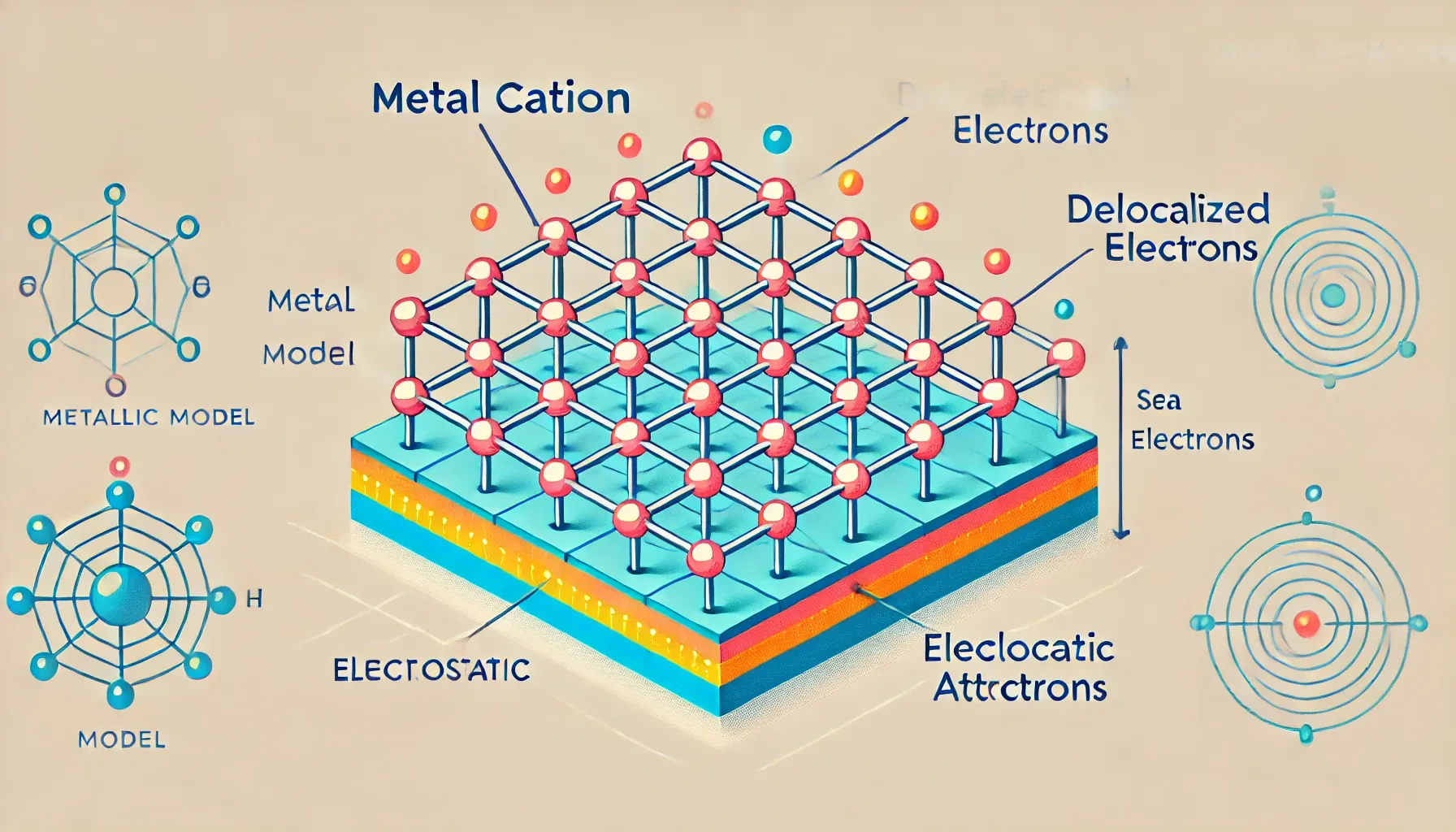
2.3 The metallic model
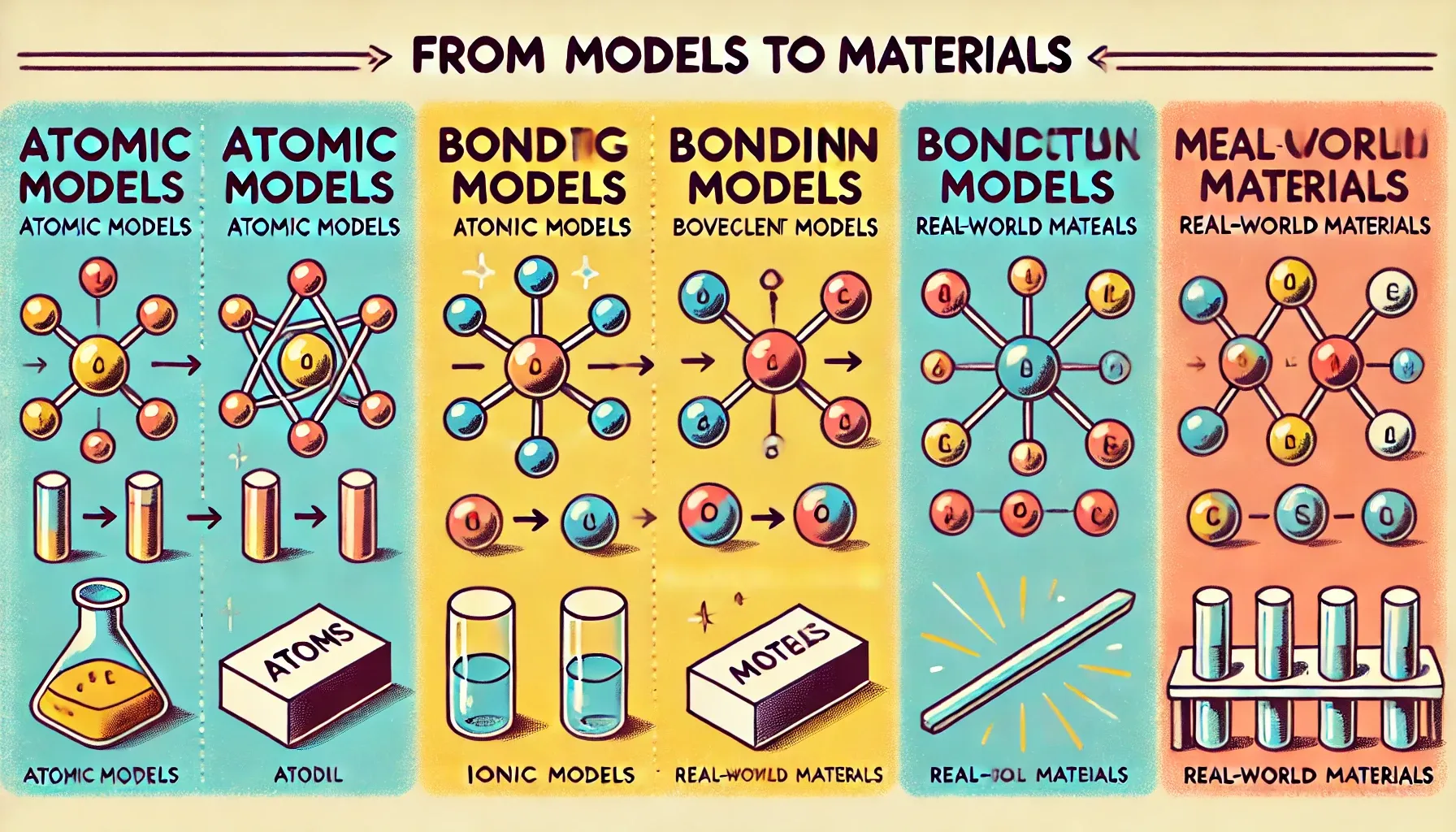
2.4 From models to materials
-1.webp&blockId=91269b52-7edc-4ec5-8309-47ba90ca260d)
2.4 From models to materials (AHL)